
If you’re looking for a stunning addition to your garden or landscape, look no further than the Albizia Julibrissin Silk Tree. This beautiful tree boasts an array of unique characteristics that make it a favorite among gardeners and landscapers alike. But its uses don’t stop at aesthetics – this versatile tree has also been prized for its medicinal properties for centuries. In fact, its name “Silk Tree” comes from the soft, silky pods that cover its branches in the summer months.
As we explore the many benefits of the Albizia Julibrissin Silk Tree, you’ll discover how to grow and care for this stunning specimen. From its ideal growing conditions to tips on pruning and maintenance, we’ll take a closer look at what makes this tree so special. Whether you’re a seasoned gardener or just starting out, you won’t want to miss this comprehensive guide to one of nature’s most impressive trees.
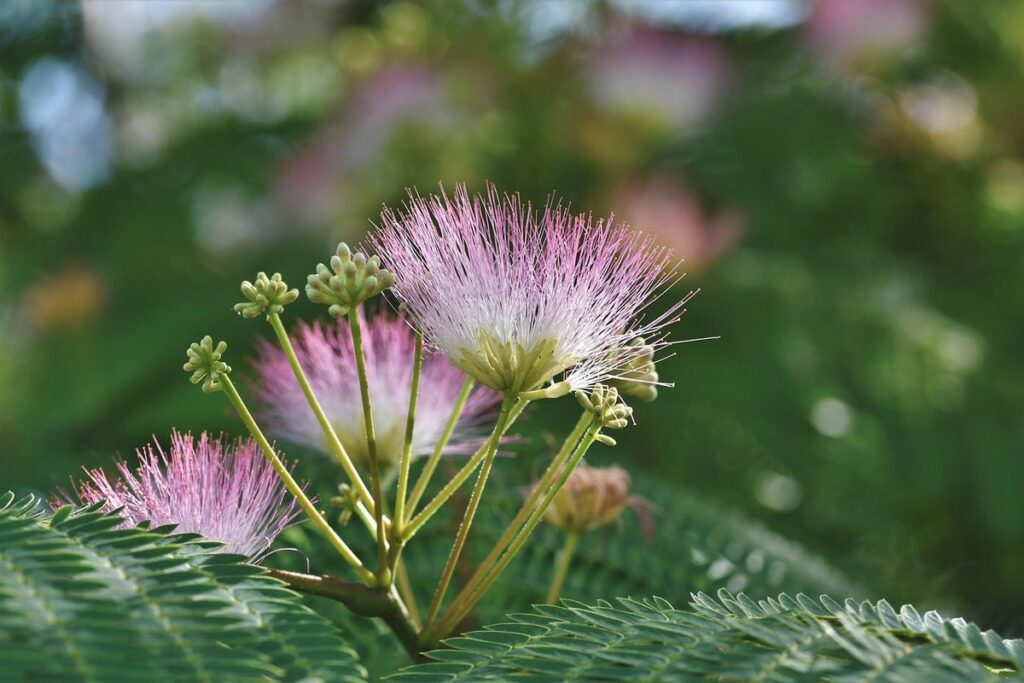
What is the Albizia Julibrissin?
Let’s start by understanding what makes the Albizia Julibrissin so unique, and where it comes from. This native tree has a rich history and fascinating characteristics to explore.
Overview of the Plant
The Albizia Julibrissin silk tree is native to Asia and has been widely cultivated across the world for its stunning beauty. This deciduous tree grows up to 40 feet tall with a spread of around 30-40 feet, making it an ideal addition to large gardens or parks. Its compound leaves are feathery and fern-like, turning a vibrant yellow in autumn before falling off.
One of the most distinctive features of the Albizia Julibrissin is its showy flowers, which bloom in late spring and early summer. These delicate pink flowers are highly fragrant and attract a variety of pollinators to the tree. The flowers are followed by long, flat seed pods that add interest to the tree’s silhouette during the winter months.
When growing an Albizia Julibrissin, it’s essential to provide full sun and well-drained soil for optimal growth. It’s also tolerant of drought but performs best with regular watering. Regular pruning is recommended to maintain a neat shape and promote healthy growth. With its striking appearance and relatively low maintenance requirements, the Albizia Julibrissin silk tree makes an excellent choice for gardeners looking to add some exotic flair to their outdoor space.
Classification and Taxonomy
The Albizia Julibrissin is a member of the Fabaceae family, commonly known as legumes. This classification places it among other plants like beans and peas, which are also characterized by their fruit being a pod containing multiple seeds. Within the Fabaceae family, the plant is classified under the genus Albizia, which comprises about 150 species of deciduous trees native to tropical and subtropical regions.
The specific species, A. julibrissin, is found primarily in East Asia, particularly in China, Korea, and Japan. Its scientific classification highlights its evolutionary relationships with other plants within the Fabaceae family. Understanding this classification can help you better identify and distinguish it from other tree species. When foraging or gardening, being able to accurately identify a plant based on its taxonomic classification can be crucial.
Uses and Benefits
The Albizia Julibrissin is a versatile tree that offers numerous benefits and uses. One of its most significant advantages is its ornamental value. With its stunning white flowers and delicate foliage, it’s no wonder why this tree is often chosen for landscaping projects. Its beauty is not only aesthetically pleasing but also serves as a natural air purifier, removing pollutants from the atmosphere.
In addition to its ornamental value, Albizia Julibrissin has various practical uses. The timber produced from its wood is highly valued for furniture making and construction due to its durability and resistance to decay. Moreover, the tree’s bark contains tannins that can be used in medicine, particularly in treating skin conditions and wounds.
In some parts of Asia, the Albizia Julibrissin is also used as a natural remedy for fever reduction and pain relief. However, it’s essential to note that the use of this tree for medicinal purposes should only be done under the guidance of a medical professional.
Growing and Caring for the Albizia Julibrissin
To ensure your beautiful Albizia Julibrissin tree continues to thrive, learn how to properly water, prune, and fertilize it in this essential care guide.
Environmental Requirements
To thrive, your Albizia julibrissin silk tree requires careful consideration of its environmental needs. First and foremost, it prefers a subtropical climate with warm temperatures between 64°F (18°C) and 90°F (32°C). This means that if you live in an area with harsh winters or extremely hot summers, the tree may not be the best fit for your garden.
In terms of soil, Albizia julibrissin thrives in well-draining, fertile ground rich in organic matter. A pH level between 6.0 and 7.5 is ideal, so if you have alkaline or acidic soil, you’ll need to take steps to adjust it before planting. Provide your tree with full sun to partial shade – direct sunlight for at least six hours a day will promote healthy growth.
It’s also essential to note that the silk tree can tolerate some drought but will perform best with consistent moisture. Water it regularly during its first year after planting, and then gradually reduce watering as it becomes established. By understanding these specific environmental requirements, you’ll be well on your way to creating a thriving environment for your Albizia julibrissin silk tree.
Planting and Propagation
When planting an Albizia julibrissin, it’s essential to choose a location that receives full sun and well-drained soil. The tree can thrive in various soil types, but it prefers slightly acidic to neutral pH levels. Dig a hole twice as wide and just as deep as the root ball of your tree. Gently remove the tree from its container and place it in the hole, ensuring the graft union (if applicable) is at least 2 inches above the soil level.
For seed germination, sow the seeds about 1-2 cm deep in a seed tray filled with a well-draining mix. Keep the soil consistently moist but not waterlogged. The optimal temperature for seed germination is between 18-22°C (64-72°F). Once the seedlings have two sets of leaves, transplant them into individual pots.
When transplanting a mature tree, choose a cooler time of day to minimize stress on the plant. Dig a new hole that’s about twice as wide and just as deep as the root ball. Gently remove the tree from its container and place it in the new hole, backfilling with soil and watering thoroughly.
Common Pests and Diseases
As you care for your beautiful Albizia julibrissin, it’s essential to be aware of common pests and diseases that can affect this stunning tree. Regular inspections will help you catch issues early on, allowing for effective prevention or treatment.
Some common pests to watch out for include aphids, whiteflies, and spider mites, which can cause curled or distorted leaves, sticky honeydew deposits, and fine webbing, respectively. To prevent infestations, ensure good air circulation around your tree by pruning nearby plants and keeping the area free of debris.
Diseases such as powdery mildew, root rot, and leaf spot can also occur due to overwatering or poor drainage. To minimize the risk of these issues, water your Albizia julibrissin carefully, allowing excess moisture to drain from the soil. You can also use fungicides to protect against fungal diseases.
For effective prevention and treatment, monitor your tree regularly and take action promptly if you notice any signs of pest or disease infestation. By being proactive and knowledgeable about common issues, you’ll be able to enjoy a healthy, thriving Albizia julibrissin for years to come.
Health Benefits and Medicinal Properties
The Albizia julibrissin silk tree has been used for centuries in traditional medicine, and its health benefits are rooted in its unique combination of antioxidants and flavonoids. Let’s explore the medicinal properties that have made this tree a valuable resource.
Traditional Medicine
Albizia julibrissin has been utilized for centuries in traditional medicine across various cultures and regions. In ancient Chinese medicine, the tree’s bark and leaves were used to treat fever, rheumatism, and other ailments. The plant’s extracts are also said to have antiseptic properties, making it a popular ingredient in many traditional remedies.
In traditional Indian Ayurvedic medicine, albizia julibrissin is valued for its cooling and soothing effects on the skin. It’s often used to treat conditions such as eczema, psoriasis, and acne. The tree’s leaves are also believed to have anti-inflammatory properties, making it a popular treatment for joint pain and arthritis.
In some African cultures, albizia julibrissin is used to treat snake bites and other venomous wounds. The plant’s extracts are applied topically to neutralize the poison and promote healing. While these traditional remedies have been passed down through generations, it’s essential to note that their efficacy has not been extensively scientifically proven.
When considering using albizia julibrissin for medicinal purposes, it’s crucial to consult with a healthcare professional or an experienced practitioner. They can guide you on the proper dosage and application methods to ensure safe and effective treatment.
Modern Research
Recent studies have shed light on the remarkable medicinal properties of Albizia julibrissin. Research has shown that the plant’s extracts exhibit potent antioxidant and anti-inflammatory effects, making it a promising candidate for various therapeutic applications. A study published in 2020 found that the flavonoids present in Albizia julibrissin exhibited significant scavenging activity against free radicals, suggesting its potential as an anticancer agent.
The anti-inflammatory properties of Albizia julibrissin have also been extensively studied. A 2019 review of various studies concluded that the plant’s extracts can inhibit the production of pro-inflammatory cytokines, thus exerting a protective effect on the body. This property makes it potentially beneficial for managing conditions such as arthritis and other inflammatory diseases.
While more research is needed to fully harness the medicinal potential of Albizia julibrissin, these findings are encouraging and highlight the plant’s value in traditional medicine. If you’re considering using Albizia julibrissin for its medicinal properties, it’s essential to consult with a healthcare professional to discuss safe dosages and potential interactions with other medications.
It’s worth noting that some studies have also explored the potential of Albizia julibrissin extracts as antimicrobial agents, showing promise in combating certain types of bacteria. However, further investigation is necessary to confirm its efficacy and safety for human use.
Potential Risks and Interactions
When exploring the medicinal properties of the Albizia julibrissin silk tree, it’s essential to be aware of potential risks and interactions that may arise from its use. This is particularly important for individuals taking medications or suffering from certain health conditions.
For instance, Alzheimers disease patients should exercise caution when consuming products derived from this tree due to the presence of iso-flavonoids, which can potentially exacerbate symptoms of the condition. Similarly, people with high blood pressure should consult their doctor before using any herbal remedies that include Albizia julibrissin extracts.
Interactions with other medications are also a concern. The silibinin content in the tree may interfere with the efficacy of certain blood thinners, such as warfarin or aspirin. In contrast, some studies suggest that silibinin can enhance the effects of chemotherapy drugs. This highlights the importance of consulting healthcare professionals before using any herbal products.
If you’re considering incorporating Albizia julibrissin into your health routine, it’s crucial to discuss this with your doctor, especially if you’re taking other medications or have pre-existing conditions. They will help you weigh the potential benefits against the risks and provide guidance on safe usage.
Ornamental Value and Landscaping Uses
When it comes to decorating your outdoor space, the Albizia Julibrissin Silk Tree offers a wealth of opportunities for creative landscaping. Its elegant foliage and vibrant blooms can add beauty to any yard.
Landscape Design Ideas
When incorporating an Albizia julibrissin silk tree into your landscape design, its mature size and growth habits should be considered. These majestic trees can grow up to 50 feet tall with a spread of around 40 feet, making them a stunning focal point in any yard. To maximize their ornamental value, place them in areas where they have ample space to expand.
Consider pairing multiple silk trees with smaller shrubs and perennials that thrive in full sun conditions, such as roses or daylilies. This creates a visually appealing contrast between the towering tree’s foliage and the shorter plants’ blooms. Alternatively, plant groundcovers like creeping thyme or sedum around the base of the tree to create a lush, textured look.
When selecting a location for your silk tree, keep in mind its growth habits: it prefers well-drained soil and full sun to partial shade. Positioning it near a patio or walkway can add a sense of grandeur to an outdoor space.
Pruning and Maintenance
To maintain the Albizia julibrissin’s ornamental value and promote healthy growth, regular pruning is essential. Prune the tree annually, removing any dead, diseased, or damaged branches to prevent the spread of disease and encourage new growth. It’s also crucial to prune the tree during its dormant season, typically between December and February.
Pruning can be done in stages, focusing on specific areas of the tree. Remove any suckers that grow from the base of the trunk, as these can divert nutrients away from the rest of the tree. Also, thin out some of the branches to allow more sunlight to reach the inner foliage, promoting a balanced canopy.
When pruning, use sharp, clean tools and make precise cuts just above a growth node. Avoid cutting too much of the branch at once, as this can cause stress to the tree. Water your tree thoroughly after pruning to help it recover from the process.
Wildlife Attraction
The Albizia Julibrissin silk tree’s ornamental value extends far beyond its stunning foliage and vibrant flowers. One of its most attractive qualities is its ability to attract pollinators and provide a haven for local wildlife. The fragrant, pink flowers that bloom in summer are a magnet for bees, butterflies, and other beneficial insects.
In fact, studies have shown that the Albizia Julibrissin’s flowers produce nectar-rich pollen, which is an essential source of nutrition for many pollinators. This makes it an ideal addition to any garden or landscape looking to support biodiversity. By incorporating this tree into your yard, you’ll not only add a touch of elegance and beauty but also create a haven for local wildlife.
To maximize the Albizia Julibrissin’s wildlife attraction potential, consider planting native flowers and shrubs nearby that provide a source of food and shelter for pollinators and other animals. This will create a thriving ecosystem that benefits both your garden and the surrounding environment.
Timber Production and Wood Characteristics
The Albizia Julibrissin Silk Tree is a valuable source of timber, offering unique characteristics that set its wood apart from other tree species. We’ll explore what makes its wood so special.
Hardwood Properties
Albizia julibrissin wood is highly valued for its exceptional hardness and density. With a Janka rating of 2,200 pounds per square inch (psi), it ranks among the hardest domestic hardwoods available. This makes it an ideal choice for flooring, furniture making, and other applications where durability is paramount.
In terms of grain pattern, albizia julibrissin exhibits a distinctive interlocked grain that provides added strength and stability. The wood’s texture is generally straight-grained, with some boards featuring wavy or irregular patterns. This unique character adds visual appeal to woodwork projects while ensuring exceptional performance under stress.
When working with albizia julibrissin, it’s essential to consider its moisture sensitivity. As a tropical hardwood, it tends to expand and contract significantly in response to humidity changes. To minimize warping and cracking, maintain a stable environment and apply adequate drying treatments before finishing or assembling the wood.
Overall, albizia julibrissin’s impressive physical properties make it an attractive option for woodworkers seeking high-quality materials for their projects.
Sawn and Engineered Products
Albizia julibrissin timber is highly prized for its unique characteristics and versatility. The production process involves cutting down mature trees, which are then harvested for their wood. Sawn products like planks, boards, and timbers can be obtained from the tree’s trunk, branches, and roots.
Engineered wood products like plywood and Medium-Density Fiberboard (MDF) are also produced using albizia julibrissin wood fibers. These products are made by layering wood veneers or fibers in a specific orientation to create panels with consistent strength and stability. Plywood is often used for building furniture, flooring, and roofing due to its durability and resistance to warping.
MDF is another engineered product that is prized for its smooth surface and ability to hold screws well. However, it can be prone to water damage if not properly sealed. Both plywood and MDF are manufactured using a process called dry pressing, which involves applying heat and pressure to the wood fibers to create a stable panel.
When working with albizia julibrissin timber products, it’s essential to choose the right product for your specific needs. Consider factors like durability, moisture resistance, and aesthetic appeal when selecting between sawn and engineered wood products.
Comparison to Other Timber Species
When it comes to timber production and wood characteristics, the Albizia Julibrissin Silk Tree stands out among other popular hardwood species. One of its most notable advantages is its high strength-to-weight ratio, making it an excellent choice for furniture-making and construction projects.
Compared to Oak (Quercus spp.), Albizia Julibrissin has a higher Janka hardness rating, indicating greater resistance to wear and tear. This makes it more durable and less prone to scratches and dents. In contrast, Teak (Tectona grandis) is known for its natural oil content, which provides excellent resistance to rot and insect damage, but it can be quite expensive.
Maple (Acer saccharum), on the other hand, has a denser, more stable wood grain that resists warping and shrinking. However, it can be challenging to work with due to its high hardness level. In comparison, Albizia Julibrissin’s relatively lower hardness makes it easier to machine and shape, making it a popular choice among carpenters and woodworkers.
When considering the Albizia Julibrissin for your next project, keep in mind that its unique characteristics make it an excellent alternative to other hardwoods. Its high strength-to-weight ratio, durability, and ease of workability make it an attractive option for furniture-making, construction, and even musical instrument crafting.
Conservation Status and Sustainability
As we explore the wonders of the Albizia Julibrissin Silk Tree, let’s examine its conservation status and the efforts being made to ensure its sustainability for future generations. This delicate balance is crucial for the tree’s long-term survival.
Threats to the Plant
The Albizia Julibrissin silk tree is facing several threats to its survival in its natural habitats. One of the primary concerns is over-harvesting for timber and ornamental purposes. This has led to a significant decline in the population of mature trees, making it challenging to sustain the species.
Climate change is another major threat to the Albizia Julibrissin silk tree. Rising temperatures and changing weather patterns are altering the tree’s growth habits and reducing its ability to adapt to its environment. Droughts and extreme weather events also pose a significant risk to the tree’s survival, as it is unable to withstand prolonged periods of stress.
In addition, the invasive species, such as the emerald ash borer and the brown marmorated stink bug, are also affecting the Albizia Julibrissin silk tree. These insects can cause widespread damage to the tree’s roots and leaves, further exacerbating its decline.
It is essential for gardeners and conservationists to be aware of these threats and take steps to mitigate them. This includes adopting sustainable harvesting practices, reducing carbon emissions, and implementing integrated pest management strategies to control invasive species. By taking proactive measures, we can help ensure the long-term survival of this majestic tree.
Efforts for Sustainable Harvesting
Efforts are underway to ensure that this stunning tree continues to thrive for generations to come. In regions where Albizia julibrissin is harvested for its wood or seed pods, sustainable practices have become increasingly important.
Several organizations and governments have launched initiatives aimed at promoting responsible harvesting methods. For instance, the Forest Stewardship Council (FSC) has developed certification programs that encourage forestry companies to adopt environmentally friendly practices. This includes maintaining a minimum tree density, preserving biodiversity, and replanting areas where trees are harvested.
In China, the country with the largest plantations of Albizia julibrissin, efforts have been made to replant forests at a rate exceeding deforestation rates. As a result, these initiatives not only help maintain the tree’s population but also contribute to soil conservation and carbon sequestration. Homeowners can play their part by choosing sustainably sourced timber when it comes time to build or renovate.
Additionally, some companies are exploring alternative uses for Albizia julibrissin, such as turning its seed pods into natural dyes. This shift towards sustainable production reduces the pressure on wild populations and encourages more environmentally conscious practices throughout the supply chain.
Importance of Preservation
The importance of preserving the Albizia julibrissin silk tree cannot be overstated. As one of the most widely cultivated and admired ornamental trees globally, its conservation status is a pressing concern for environmentalists and horticulturists alike. The loss of this majestic tree would not only deprive future generations of its beauty but also undermine the ecological services it provides.
In addition to its aesthetic value, the Albizia julibrissin plays a vital role in maintaining biodiversity. Its broad canopy and root system support a wide range of plant and animal species, contributing significantly to local ecosystems. Moreover, as a nitrogen-fixing tree, it helps maintain soil fertility, which is essential for sustaining healthy vegetation.
One major threat to the conservation of this tree is habitat destruction. As urban development and agriculture expand, natural habitats are being destroyed at an alarming rate, leaving the Albizia julibrissin without suitable areas to grow. In response, we must prioritize sustainable land-use practices that balance human needs with environmental preservation.
Frequently Asked Questions
What are some common mistakes to avoid when planting an Albizia Julibrissin tree?
When planting an Albizia Julibrissin, make sure not to plant it too deeply. The graft union should be above the soil level to prevent disease and ensure proper growth. Also, choose a location with well-draining soil, as this tree is susceptible to root rot in waterlogged conditions.
Can I grow an Albizia Julibrissin tree indoors, or does it require full sun?
While Albizia Julibrissin trees can tolerate some shade, they thrive best in full sun. If you’re growing one indoors, make sure it receives at least 4-6 hours of direct sunlight per day. However, if you don’t have a bright and sunny spot, consider using grow lights to supplement the natural light.
How long does an Albizia Julibrissin tree take to mature?
An Albizia Julibrissin tree can take anywhere from 3 to 5 years to reach its full height of 40 feet. However, it will start producing flowers and seeds within 2-3 years after planting. Be patient, as this tree grows relatively quickly compared to other deciduous trees.
Are there any specific pruning techniques for an Albizia Julibrissin tree?
Yes, regular pruning is essential for maintaining the health and appearance of your Albizia Julibrissin tree. Prune it in late winter or early spring, removing any dead, diseased, or damaged branches. Also, reduce the height of the tree by one-third to maintain its shape and promote healthy growth.
Can I use the seeds from my Albizia Julibrissin tree for propagation?
While you can collect seeds from your Albizia Julibrissin tree, they may not produce trees with the same characteristics as the parent tree. For best results, consider grafting a cutting from a mature tree or propagating through layering.