
Creating a pollinator-friendly garden is one of the simplest ways to make a positive impact on our environment. With the alarming decline of bees, butterflies, and hummingbirds, it’s up to us to provide these vital creatures with a haven to thrive. By planting native flowers, trees, and shrubs that are rich in nectar and pollen, you can create a paradise for pollinators right in your own backyard. But how do you design a garden that will attract these beneficial visitors? In this article, we’ll explore expert tips on selecting the right plants, incorporating water features, and more to create a thriving habitat for pollinators. From beginners to seasoned gardeners, this guide is packed with practical advice to help you get started on your pollinator-friendly journey.
Understanding the Importance of Pollinators
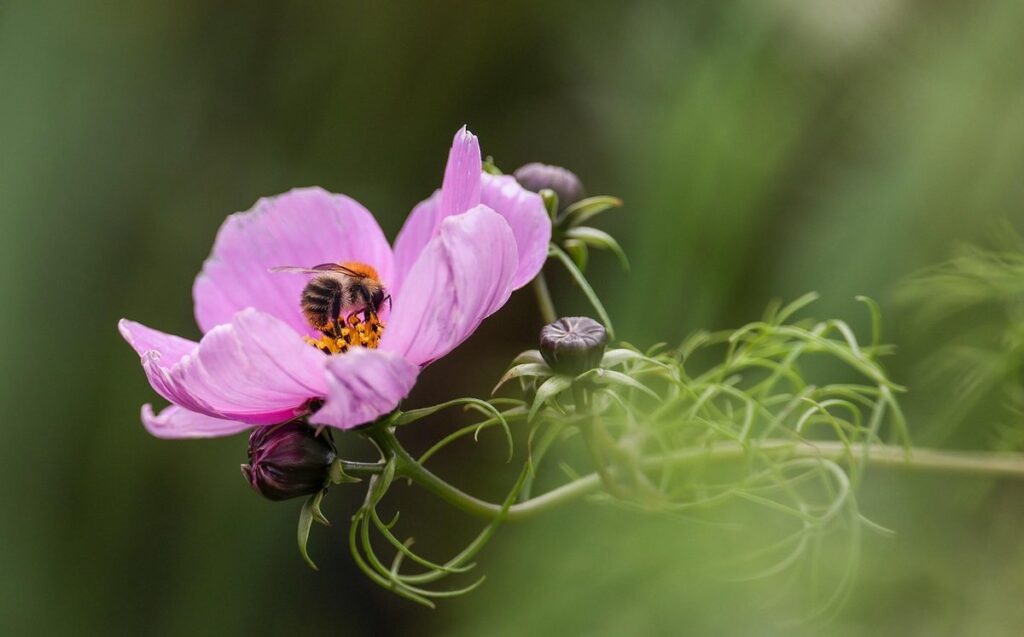
Pollinators are a crucial part of our ecosystem, and understanding their importance is key to creating a thriving pollinator garden. Let’s dive into why these tiny creatures deserve our attention.
The Role of Pollinators in Ecosystem Health
Pollinators play a vital role in maintaining ecosystem balance, and their decline has severe consequences. A single plant species can rely on multiple pollinator species to reproduce, but without these pollinators, plants would be unable to set seed or produce fruit. In fact, one-third of the food we eat is directly or indirectly dependent on animal pollination.
The loss of pollinators would not only affect the variety of crops available to us, but also have a significant impact on biodiversity. For instance, it’s estimated that 87% of wild plant species and 72% of crop species rely on animals for pollination. The consequences of their decline are already being felt: in the United States alone, honey bees pollinate $15 billion worth of crops annually.
To promote pollinator health, your garden can provide a haven for these vital creatures by incorporating diverse plants that offer nectar and pollen-rich flowers. This will not only support local pollinators but also contribute to maintaining ecosystem balance.
The Impact of Habitat Loss on Pollinators
As we delve into creating a pollinators garden, it’s essential to understand the broader context of habitat loss and its impact on these vital creatures. Human activities such as deforestation, urbanization, and intensive agriculture have led to widespread habitat destruction and fragmentation. This has resulted in the loss of natural habitats for pollinators like bees, butterflies, and hummingbirds.
Pollinators rely on specific flowers, plants, and landscapes to survive, and when these habitats are destroyed or fragmented, populations decline dramatically. A study by the University of California found that bee populations have declined by 30% over the past three decades due to habitat loss and fragmentation. Similarly, the decline of monarch butterfly populations has been attributed to the destruction of milkweed habitats.
To create a pollinators garden that truly benefits these creatures, it’s crucial to consider the larger picture. By incorporating native plants, reducing lawn areas, and creating meandering paths, we can help restore habitat connectivity and support pollinator populations. As we’ll explore in later sections, designing your garden with pollinators in mind requires careful planning and attention to detail, but the rewards are well worth it.
Choosing the Right Plants for Your Pollinators Garden
When selecting plants for your pollinators garden, it’s essential to choose varieties that are native to your region and rich in nectar and pollen. This ensures a thriving habitat for bees, butterflies, and other beneficial visitors.
Native Plant Selection for Local Pollinators
When it comes to creating a pollinator-friendly garden, selecting native plants is crucial. These plants have evolved alongside local pollinators and provide them with the essential nutrients they need to thrive. But what makes a plant “native,” and how do you choose the right ones for your region?
Native plants are those that occur naturally in your area and have adapted to its specific climate, soil type, and weather patterns. They’re often more resistant to local pests and diseases, require less maintenance, and provide a source of food and shelter for pollinators. For example, in the eastern United States, native milkweed (Asclepias syriaca) is a vital plant for monarch butterflies, while in California’s coastal regions, California poppy (Eschscholzia californica) is a popular choice.
To select native plants suitable for your pollinators garden, research local options by consulting with gardening experts, joining online forums or social media groups focused on native plants, or visiting local nurseries. Create a list of the most beneficial plants for your area and ensure they’re properly labeled as “native” to avoid mistakenly selecting non-native species.
Some popular native plant species include coneflowers (Echinacea spp.), black-eyed susans (Rudbeckia hirta), and goldenrod (Solidago spp.). These plants not only provide nectar and pollen but also attract a variety of pollinators, including bees, butterflies, moths, and hummingbirds.
Sun Requirements and Pollinator-Friendly Plant Groups
When selecting plants for your pollinators garden, it’s essential to consider their sun requirements. Different types of pollinators are active during various times of the day and year, so choosing plants that match these needs is crucial.
For example, bees, which are some of the most common pollinators, are typically most active in the morning and late afternoon when the sun is not too intense. Plants with partial shade or full sun requirements (4-6 hours direct sunlight) such as coneflower, black-eyed Susan, and bee balm will attract these busy insects.
Butterflies, on the other hand, prefer warmer conditions and are often seen flitting about flowers in full sun (6+ hours direct sunlight). Plants like milkweed, lantana, and zinnia meet their needs. Hummingbirds, which are attracted to tubular flowers, also thrive in partial shade to full sun.
To create a diverse and thriving pollinators garden, consider grouping plants by their sun requirements. Allocate different areas of your garden for full sun, partial shade, and even complete shade to cater to the varied needs of these important pollinators.
Designing Your Pollinators Garden for Success
To create a thriving pollinators garden, it’s essential to design a space that attracts and supports these vital creatures. Let’s dive into the key considerations for a successful pollinators garden.
Incorporating Water Features and Nesting Sites
Providing water sources and nesting sites is crucial for supporting the survival and well-being of pollinators in your garden. Without access to these essential resources, pollinators like bees, butterflies, and hummingbirds may struggle to thrive.
When it comes to water features, consider incorporating shallow dishes or birdbaths with fresh water and a few rocks or twigs for perching. Change the water frequently to prevent mosquito breeding and keep the area clean. Alternatively, you can install a mister or a sprinkler system that provides a fine spray of water, mimicking natural precipitation patterns.
For nesting sites, offer a variety of materials such as bamboo tubes, hollow reeds, or even old birdhouses. Place them in sunny spots, about 5-6 feet off the ground to protect from predators and harsh weather conditions. Consider adding some native plants with tubular flowers, like honeysuckle or fuchsia, which provide nectar-rich blooms that attract pollinators.
Remember, providing water and nesting sites is not a one-time task – regularly inspect your garden for signs of wear and tear on these features and make adjustments as needed to ensure their longevity.
Managing Weeds and Pesticides
When it comes to creating a pollinators garden, managing weeds and pesticides is crucial for maintaining a safe and healthy environment for these beneficial creatures. Weeds can quickly overtake a garden, competing with flowers for water and nutrients, while pesticides can harm or kill pollinators.
To manage weeds responsibly, focus on prevention rather than intervention. Mulch heavily around plants to suppress weed growth, and use physical barriers like landscaping fabric to prevent weeds from spreading. When weeding by hand, do so during the cooler parts of the day to avoid stressing plants. Consider using compost or cover crops to improve soil health and reduce weed pressure.
When it comes to pesticides, opt for integrated pest management (IPM) strategies that prioritize natural methods over chemical controls. Use neem oil or insecticidal soap to control pests, and introduce beneficial insects like ladybugs or lacewings to prey on unwanted visitors. Always read labels carefully and choose products with minimal toxicity to pollinators. By taking a thoughtful approach to weed and pest management, you can create a garden that’s safe for both your plants and the pollinators they attract.
Creating a Pollinator-Friendly Habitat
To create a thriving pollinator-friendly habitat, you’ll need to choose plants that provide nectar and pollen for these busy visitors. This section will guide you through selecting the right flowers for your garden.
Incorporating Deadheading and Companion Planting
When it comes to creating a pollinator-friendly habitat, two simple yet effective techniques can make all the difference: deadheading and companion planting. Deadheading involves removing spent flowers from your plants to encourage new blooms and prevent seed production. This may seem counterintuitive when you’re trying to create a haven for pollinators, but trust us – it’s worth it.
By regularly deadheading your flowers, you’ll stimulate the plant to produce more nectar-rich blooms that will attract bees, butterflies, and other beneficial insects. For example, if you have a zinnia or marigold patch in your garden, try snipping off the faded flowers after they’ve dropped their petals. Within weeks, new buds should appear, providing an ongoing source of food for pollinators.
Companion planting is another powerful tool to incorporate into your pollinator-friendly habitat. This involves pairing plants that complement each other in terms of growth habits, pest resistance, and nutrient uptake. By strategically placing certain flowers alongside one another, you can create a dynamic ecosystem that supports the health and diversity of pollinators. For instance, basil repels aphids and improves the flavor of nearby tomatoes – it’s a win-win for both humans and wildlife!
Maintaining Your Garden Through Seasonal Changes
As you’ve carefully curated a pollinator-friendly habitat in your garden, it’s essential to remember that maintenance is an ongoing process. Seasonal changes can impact the health and appearance of your garden, so adapting your strategies will ensure it remains attractive and beneficial to pollinators year-round.
In spring, focus on replenishing water sources, as they may have dried up over winter. Check for any damage from harsh weather conditions or pests, and prune plants that may be struggling. Consider adding new blooms to extend the nectar-rich flower period, which is particularly crucial during this time when many pollinators are emerging.
Summer is all about providing relief from heat stress by ensuring adequate water supply and shade. Regularly inspect your garden for signs of pest or disease issues and address them promptly. Take advantage of the warmer months to divide and replant overgrown perennials, which will help maintain a vibrant and diverse bloom cycle.
In autumn, prepare for the cooler temperatures by mulching plants, which will protect their roots from frost damage. Also, trim back overwintering plants like lavender or rosemary, allowing sunlight to reach dormant bulbs and encouraging new growth in spring. As winter sets in, consider adding winter-friendly plants like snowdrops or holly to provide sustenance for cold-weather pollinators.
Supporting Local Pollinators with Community Engagement
Let’s get our community involved in creating a buzz for pollinators, starting by partnering with local schools and organizations to educate and engage new gardeners. This is where collaboration comes into play!
Organizing Bee Hotels and Pollinator Counting Initiatives
Engaging your community is key to creating a thriving pollinators garden. One way to do this is by organizing bee hotels and pollinator counting initiatives. These projects not only educate people about the importance of pollinators but also provide a hands-on experience for them to contribute to their local ecosystem.
Bee hotels are simple structures that provide shelter for solitary bees, which are crucial pollinators in gardens. You can build or purchase these hotels and install them in your garden or a nearby green space. Consider partnering with local schools, community centers, or gardening clubs to involve more people in the process. Not only will this foster a sense of community, but it’ll also educate children about the importance of pollinators.
For pollinator counting initiatives, you can team up with local conservation groups or park rangers to conduct surveys and gather data on the types of pollinators present in your area. This information can be used to inform gardening decisions, such as planting native flowers that attract specific species. By working together with your community, you’ll not only learn more about your local pollinator populations but also contribute to a broader understanding of their needs and habitats.
Collaborating with Local Nurseries and Conservation Groups
Collaborating with local nurseries and conservation groups is an excellent way to take your pollinator garden to the next level. By working together, you can tap into a wealth of knowledge and resources that will help you create a thriving ecosystem for your local pollinators.
Start by reaching out to local nurseries in your area and ask if they would be interested in partnering with you on your pollinator garden project. Many nurseries already have experience working with conservation groups and may even have existing relationships with local environmental organizations. By collaborating, you can create a “pollinator-friendly” section within the nursery’s gardens or even host workshops and events to educate customers about the importance of pollinators.
Conservation groups are also an excellent resource for finding out what plants and flowers are best suited for your region’s climate and soil conditions. They often have extensive knowledge of local ecosystems and can provide valuable insights on how to create a garden that not only attracts pollinators but also helps maintain the health of your local environment. By working together, you can create a comprehensive plan for your pollinator garden that addresses the needs of both your plants and your community.
Frequently Asked Questions
How do I know if my garden is attracting a diverse range of pollinators?
Check for a variety of species visiting your plants, including bees, butterflies, hummingbirds, and moths. Observe the types of flowers they’re visiting and note any patterns in their behavior. This will help you refine your plant selection and garden design to support a wider range of pollinators.
Can I use pesticides in my pollinator-friendly garden?
No, using pesticides can harm or kill pollinators, defeating the purpose of creating a pollinator-friendly habitat. Instead, adopt integrated pest management techniques that combine physical barriers, cultural controls, and biological controls to minimize pest damage while maintaining ecosystem balance.
How often should I water features like birdbaths and ponds in my pollinator garden?
Water features are essential for pollinators, but they require regular maintenance to prevent mosquito breeding and maintain clean water. Change the water frequently (every 3-5 days) during hot summer months or when you notice algae growth.
Can I plant non-native species in my pollinator-friendly garden?
While it might seem appealing to introduce exotic plants, non-native species can outcompete native species for resources, leading to an imbalance in your ecosystem. Stick to locally adapted native plants that have evolved alongside the specific pollinators in your area, ensuring a harmonious coexistence.
How do I ensure my pollinator garden remains beneficial throughout the changing seasons?
Monitor your garden’s performance across different seasons and adjust your plant selection or maintenance practices accordingly. For example, some pollinators may prefer nectar-rich flowers during spring, while others might rely on pollen-dense blooms in autumn. Be prepared to adapt and make changes as needed to maintain a thriving pollinator-friendly habitat.