
Are you ready to unlock the secrets of the majestic Styrax tree? With its rich history spanning thousands of years, this incredible plant has been prized for its unique characteristics and diverse uses in medicine, cosmetics, and dye properties. From ancient civilizations to modern-day applications, the Styrax tree’s versatility is truly remarkable. But what makes it so special? And how can you cultivate and care for these magnificent trees while promoting sustainable harvesting practices? In this article, we’ll delve into the fascinating world of Styrax trees, exploring their history, uses, and expert tips on cultivation and care. Whether you’re a seasoned gardener or simply curious about the natural world, join us as we uncover the many wonders of the Styrax tree. Get ready to discover its secrets!
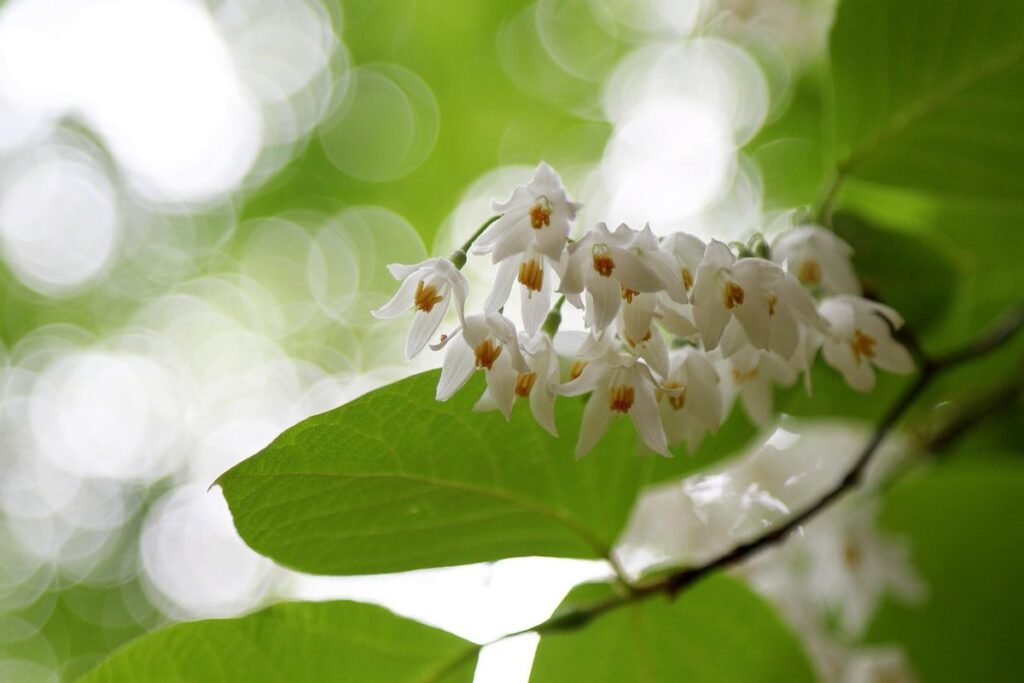
History and Origins of the Styrax Tree
The styrax tree has a rich history that spans thousands of years, originating from ancient civilizations in Asia where it was revered for its unique properties. Let’s delve into how this remarkable tree came to be.
Early Cultivation and Trade
The styrax tree has been cultivated and traded for centuries, with evidence of its use dating back to ancient civilizations. In ancient Greece and Rome, the styrax tree was highly valued for its fragrant resin, which was used in perfumes, incense, and medicine. The tree’s sap was also used as a natural adhesive, making it a valuable resource for craftsmen.
In traditional Chinese medicine, styrax is still used today to treat various ailments, including fever and rheumatism. The tree’s bark and leaves are also used in herbal remedies, further solidifying its importance in ancient trade. As civilizations evolved, the styrax tree’s significance expanded beyond its medicinal properties. Its wood was prized for crafting intricate carvings and ornate furniture.
Interestingly, some historians believe that the styrax resin may have been a key component in the famous “Kyphi” incense blend of ancient Egypt. The exact recipe remains lost to time, but it’s clear that the styrax tree played a significant role in shaping the course of human history through its use and trade.
To this day, styrax is still harvested from wild trees or cultivated on plantations, with many countries exporting the resin for use in perfumes, cosmetics, and traditional medicine. Its enduring importance highlights the significance of responsible cultivation and harvesting practices to ensure the long-term sustainability of this valuable resource.
Evolutionary Adaptations
One of the most fascinating aspects of the styrax tree is its remarkable ability to adapt and thrive in diverse environments. Its unique characteristics have enabled it to evolve into a resilient and hardy species, capable of surviving in various conditions. For instance, the styrax tree’s deep root system allows it to access water sources that other trees cannot reach, making it an ideal choice for dry or drought-prone areas.
Its ability to tolerate extreme temperatures is another significant adaptation, allowing it to grow in both hot and cold climates. In fact, some species of styrax trees can even thrive in areas with high levels of pollution, thanks to their remarkable tolerance for poor air quality. This adaptability has earned the styrax tree a reputation as one of the most versatile and durable tree species in the world.
In addition to its physical adaptations, the styrax tree also exhibits impressive chemical defenses against pests and diseases. Its bark contains natural compounds that repel insects and prevent decay, further contributing to its remarkable resilience. Whether you’re looking to plant a styrax tree for shade, beauty, or even medicinal purposes, understanding its evolutionary adaptations can provide valuable insights into its care and maintenance requirements.
Types of Styrax Trees and Their Unique Features
There are several species of styrax trees, each with its own distinct characteristics and uses. Let’s explore some of the most notable varieties and their unique features in more detail.
Native American Species
Native American species of styrax trees are unique in their characteristics and habitat preferences. The styrax tree (Styrax americana) is native to the eastern United States and Canada, while Styrax grandiflorus is found in the western United States and Mexico.
These North American styrax species typically inhabit well-drained, acidic soils in woodland environments. They often thrive near streams or rivers, where their roots can tap into the groundwater. The trees’ ability to tolerate a range of soil conditions makes them adaptable to various ecosystems.
One distinctive feature of these native species is their fragrant bark and sap. In traditional medicine, the styrax tree’s resin was used by Native American communities for its antiseptic properties. Today, you can use this natural resource as a non-toxic insect repellent or in aromatherapy blends. To harness these benefits, harvest small amounts of the resin from mature trees, making sure to leave enough for the tree’s survival.
It’s essential to note that both species are protected under federal regulations, and harvesting should only be done with proper permits and consideration for local laws and regulations.
Asian Species
In Asia, you’ll find several species of styrax trees that have adapted to the region’s climate and geography. One notable example is Styrax obassia, a small deciduous tree native to the Himalayas and parts of China. Its bark is often used in traditional medicine to treat various ailments, including skin conditions and digestive issues.
Styrax obassia differs from other styrax species in its ability to thrive in high-altitude regions with limited sunlight. This adaptability has allowed it to become an integral part of local ecosystems, providing a source of food and shelter for various wildlife. Its wood is also highly valued for its durability and resistance to rot, making it a popular choice for furniture-making.
If you’re planning to cultivate Styrax obassia or other Asian styrax species, be aware that they require careful pruning and maintenance to prevent overgrowth. Regular watering and fertilization are also essential to promote healthy growth and ensure the tree’s longevity. By understanding these unique characteristics and needs, you can successfully incorporate Asian styrax trees into your garden or landscape design.
Some popular uses for Styrax obassia include:
* Traditional medicine: The bark is used to treat various health issues
* Woodworking: The durable wood is prized for furniture-making
* Ecosystem support: Provides food and shelter for local wildlife
Uses of the Styrax Tree: Medicinal, Cosmetic, and Dye Properties
The styrax tree has been prized for centuries not just for its unique scent and timber, but also for its multitude of uses in medicine, cosmetics, and as a natural dye source. Let’s dive into each of these applications.
Traditional Medicine
For centuries, styrax tree resin has been used in traditional medicine to treat various ailments. The ancient Greeks and Romans employed it to heal wounds and skin conditions due to its antiseptic and anti-inflammatory properties. In fact, the Greek physician Hippocrates wrote about the use of styrax resin for dressing wounds.
In traditional Chinese medicine, styrax tree resin is used to treat skin conditions such as eczema and acne. It’s applied topically in a poultice form to reduce inflammation and promote healing. This natural remedy has been passed down through generations and remains a staple in many Eastern cultures.
If you’re interested in trying this traditional medicine approach, look for high-quality styrax tree resin from reputable sources. You can apply it directly to affected areas or mix it with other natural ingredients like coconut oil or aloe vera gel for added benefits. Remember to consult with a healthcare professional before using any new remedies, especially if you have sensitive skin or allergies.
In ancient times, styrax tree resin was often used in conjunction with other natural ingredients to create ointments and salves. This holistic approach to healing is still practiced today by many natural health practitioners. By embracing the traditional uses of the styrax tree, you can tap into a rich history of natural medicine and potentially find relief from common skin issues.
Cosmetics and Perfumery
In traditional cosmetics and perfumery, the styrax tree has been prized for its fragrant resin, which serves as a fixative in perfumes. This unique property allows the scent to last longer on the skin. Perfumers often blend styrax with other fragrances to create complex scents that linger on the senses.
One of the most notable uses of styrax in cosmetics is as an ingredient in perfumes, particularly those from the Middle East and Asia. Its distinctive resinous fragrance adds depth and warmth to various scent profiles. For instance, some traditional rose perfumes incorporate styrax to enhance their floral notes and longevity. Similarly, styrax can be used to fix and stabilize fragrances in skincare products, such as lotions and creams.
To incorporate styrax into your own perfumery or skincare routine, you’ll need access to high-quality, pure styrax resin. Ensure that it’s extracted from sustainably sourced trees to maintain the integrity of its fragrance and properties. You can use a few drops of styrax in a diffuser or blend it with other essential oils for a unique scent. When using styrax in skincare products, start with small amounts (about 1-2%) and adjust as needed, as it can be quite potent.
Cultivation and Care of Styrax Trees
Caring for a styrax tree is crucial to its survival, so let’s dive into the specific requirements for its cultivation and care. With proper attention, your styrax tree will thrive in its new environment.
Soil Requirements and Fertilization
When it comes to cultivating styrax trees, understanding their soil requirements is crucial for optimal growth. These trees prefer well-draining acidic soils with a pH range between 5.5 and 6.5. If you’re planting on a site with alkaline or heavy clay soils, consider amending the soil with organic matter like compost or peat moss to bring it closer to their preferred acidity.
In terms of fertilization, styrax trees benefit from regular feeding during their first year after planting. A balanced fertilizer (10-10-10 N-P-K) applied at the recommended rate is a good starting point. As your tree matures, switch to an acidic fertilizer with a higher phosphorus content (such as 10-20-10 N-P-K) to promote root growth and fruiting.
It’s also essential to avoid over-fertilizing, which can lead to nutrient imbalances and damage the tree’s roots. A general rule of thumb is to fertilize your styrax trees during their active growing seasons (spring-fall), skipping fertilization altogether during periods of drought or extreme temperatures. This approach will help you strike a balance between providing essential nutrients and avoiding potential harm to your tree.
Pruning and Training Techniques
Pruning and training styrax tree branches is crucial for promoting healthy growth and maintaining its desired shape. When pruning, it’s essential to remove dead, diseased, or damaged branches to prevent the spread of disease and encourage new growth. Cut back overgrown branches by about one-third to one-half, making clean cuts just above a bud or a branch joint.
For training, consider the mature size and growth habit of your styrax tree when selecting support systems. Young trees can be trained on stakes, while more mature trees may require more substantial supports like trellises or caging. Prune at the right time – late winter or early spring is ideal for styrax trees. Remove lower branches to about 3-4 feet from the ground to maintain a clear path and promote air circulation.
To encourage a central leader, select the strongest branch and remove lateral growths. Alternatively, you can create a more informal shape by allowing multiple leaders to grow. Regular pruning will also help control the styrax tree’s natural tendency to form suckers.
Pests, Diseases, and Common Issues Affecting Styrax Trees
Styrax trees can be susceptible to various issues that impact their health and longevity. Learn how to identify and prevent common problems affecting these beautiful trees.
Common Pests and Their Control
Styrax trees are susceptible to various pests that can cause significant damage if left unattended. One of the most common pests affecting styrax trees is the scale insect. These small insects feed on the tree’s sap, causing curled or distorted leaves and a sticky substance called honeydew to seep from affected areas.
Another pest that affects styrax trees is the bagworm moth caterpillar. These caterpillars wrap themselves in bags made of silk and plant material, often remaining undetected until it’s too late. They feed on the tree’s leaves, causing significant defoliation and weakening its overall structure.
Effective control measures include regular inspections for signs of infestation, using neem oil or insecticidal soap to treat affected areas, and pruning branches with heavy bagworm loads. Additionally, maintaining a clean environment around the tree by removing weeds and debris can also help prevent pest infestations.
Fungal Infections and Prevention Strategies
Fungal infections are a significant concern for styrax trees, particularly those growing in moist environments. These diseases can cause a range of issues, from minor discoloration to severe branch dieback and even tree death. Fungi like Ciborinia, Marasmius, and Tremella are known to affect styrax trees, often entering through wounds or weakened areas.
To prevent fungal infections, it’s essential to maintain good tree hygiene practices. Regularly inspect your styrax tree for signs of disease, such as unusual growths, discoloration, or water-soaked bark. Prune affected branches promptly and disinfect pruning tools between cuts to avoid spreading the infection.
Avoid overwatering, which can create an ideal environment for fungal growth. Ensure good air circulation around the tree by maintaining a safe distance from other plants and structures. Finally, consider applying fungicides as a preventative measure, especially during periods of high humidity or excessive rainfall. By implementing these strategies, you can significantly reduce the risk of fungal infections affecting your styrax tree.
Sustainable Harvesting and Trade Practices
When it comes to harvesting styrax trees, responsible practices are essential for ensuring their long-term sustainability. Let’s take a closer look at how sustainable harvesting and trade practices can make a positive impact on this valuable resource.
Certifications and Regulations
When it comes to sustainable harvesting and trade practices of styrax tree resin, several certifications and regulations come into play. The Forest Stewardship Council (FSC) certification is a well-recognized standard for responsible forestry management. For styrax trees, which are often found in Southeast Asia’s tropical forests, FSC certification ensures that the harvest does not harm the ecosystem or local communities.
In addition to FSC, some countries have implemented specific regulations on styrax tree resin harvesting. In Indonesia, for instance, the Ministry of Environment and Forestry sets guidelines for sustainable styrax production. These regulations cover issues like harvesting limits, replanting requirements, and community engagement.
As a consumer or trader interested in styrax tree products, it’s essential to look for certifications and documentation that demonstrate adherence to these standards. This might include FSC certification labels on products or proof of compliance with national regulations. By choosing sustainably sourced styrax resin, you can support responsible forestry practices and contribute to the long-term health of tropical forests.
Responsible Sourcing and End-Use
When it comes to harnessing the benefits of the styrax tree, responsible sourcing and end-use practices are essential. As a consumer, you play a crucial role in ensuring that this valuable resource is extracted and utilized in a way that respects both people and the planet.
Look for certified sustainable styrax products that have been harvested from well-managed forests or plantations. This not only preserves the tree’s natural habitat but also supports local communities who depend on it for their livelihoods. You can check for certifications like FSC (Forest Stewardship Council) or RSPO (Roundtable on Sustainable Palm Oil).
In terms of end-use, styrax products have a wide range of applications. Styrax resin, for example, is a popular ingredient in perfumery and aromatherapy due to its unique fragrance properties. It’s also used in traditional medicine and as a natural adhesive. When using styrax products, consider upcycling or repurposing them to minimize waste.
When purchasing styrax products, ask questions about the source and production process. Support companies that prioritize transparency and accountability in their supply chains. By making informed choices, you contribute to the long-term sustainability of this remarkable tree.
Frequently Asked Questions
How can I ensure responsible sourcing of Styrax tree products?
When sourcing Styrax tree products, look for certifications such as FSC (Forest Stewardship Council) or Sustainably Harvested logos. These labels guarantee that the product comes from responsibly managed forests or plantations. Additionally, choose companies that adhere to sustainable harvesting practices and disclose their sourcing methods.
What are some common pests and diseases affecting Styrax trees, and how can I control them?
Pests like aphids, mealybugs, and spider mites can infest Styrax trees. Regularly inspect your tree for signs of infestation and use organic pest control methods whenever possible. Fungal infections like root rot and leaf spot can also occur; maintain good soil drainage, water wisely, and prune infected areas to prevent further damage.
Can I cultivate Styrax trees in my region if it’s not native to my area?
Styrax trees are adaptable but still require specific climate conditions. Check your local USDA Hardiness Zone and research the tree’s tolerance for extreme temperatures, humidity, and sunlight. Provide optimal growing conditions, including well-draining soil and sufficient water, to increase the chances of successful cultivation.
How do I care for a mature Styrax tree that’s showing signs of decline?
Monitor your tree’s health regularly, addressing any issues promptly. Prune dead or diseased branches to prevent further damage, and ensure adequate water supply during dry spells. Also, consider hiring an arborist to assess the tree’s overall health and provide expert advice on revitalization.
Are there any regulations or certifications I should be aware of when trading Styrax tree products?
In many countries, Styrax tree resin is regulated due to its potential impact on local ecosystems. Familiarize yourself with relevant laws and certifications in your region, such as CITES (Convention on International Trade in Endangered Species of Wild Fauna and Flora) regulations. Always source from reputable suppliers who adhere to these standards.