
Are you looking for a creative way to boost your property value, reduce noise pollution, and create a haven for local wildlife? Look no further than planting an apple tree hedgerow. Not only do these lush borders provide a stunning aesthetic appeal, but they also offer a range of practical benefits that can enhance your outdoor space. From providing habitat for beneficial insects and birds to reducing ambient noise levels and increasing property value, the advantages of incorporating apple trees into your landscaping are numerous.
In this article, we’ll delve into the world of apple tree hedgerows, covering essential techniques for planting, maintaining, and harvesting these incredible trees. Whether you’re a seasoned gardener or just starting out, our expert guide will walk you through every step of the process, providing valuable insights to help your hedgerow thrive and flourish.
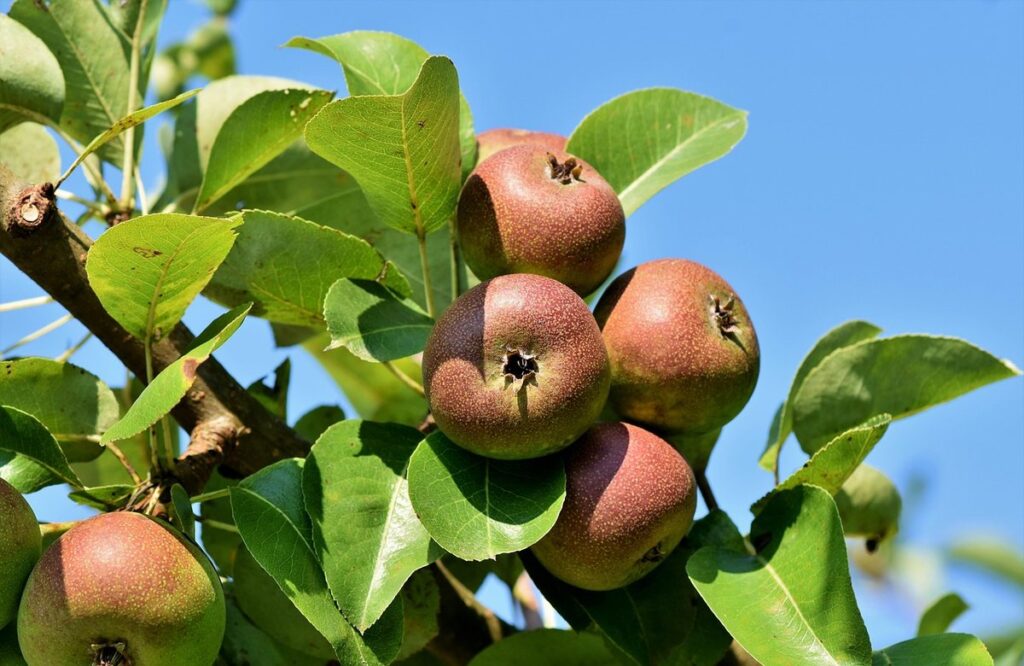
Benefits and Advantages of Apple Tree Hedgerows
Planting apple tree hedgerows can bring numerous benefits, including improved air quality, increased property value, and enhanced biodiversity in your garden. Let’s explore these advantages in more detail.
Section 1.1: Wildlife Habitat Creation
When creating an apple tree hedgerow, it’s essential to consider the benefits of wildlife habitat creation. Apple trees provide a unique opportunity for biodiversity by offering food, shelter, and breeding grounds for various species.
Birds are particularly drawn to apple tree hedgerows due to the abundance of fruits and berries they produce. A single apple tree can support up to 20 bird species during its lifespan, depending on factors like soil quality, climate, and proximity to water sources. Robins, blue tits, and blackbirds are just a few examples of birds that frequent apple trees in search of food.
Insects also benefit from the ecosystem created by apple tree hedgerows. Bees, butterflies, and wasps rely on the nectar-rich flowers for sustenance, while ladybugs, lacewings, and hoverflies prey on aphids and other pests that can harm the trees.
To create a thriving wildlife habitat within your apple tree hedgerow:
* Plant native species of wildflowers and grasses alongside your apple trees to provide additional food sources.
* Consider incorporating a water feature, like a small pond or birdbath, to attract more bird species.
* Avoid using pesticides, which can harm beneficial insects and other wildlife.
Section 1.2: Eco-Friendly Noise Barriers
One of the lesser-known benefits of apple tree hedgerows is their ability to act as natural noise barriers. In rural areas where development and transportation can encroach on peaceful living environments, external noise pollution can be a significant issue. Apple tree hedgerows play a crucial role in mitigating this problem by absorbing and blocking sound waves.
As trees grow taller and denser, they create a physical barrier that reduces the impact of outside noise. The leaves and branches of apple trees absorb sound energy, while the thick trunks and sturdy roots provide a solid foundation for effective sound wave dissipation. Studies have shown that strategically planted hedgerows can reduce noise levels by up to 50%, creating a more peaceful environment for residents.
To create an effective noise barrier with your apple tree hedgerow, choose a mix of species that are known for their ability to grow tall and dense quickly, such as the Red Delicious or Granny Smith varieties. Planting a double row of trees, rather than a single row, can also enhance the noise-reducing properties of your hedgerow. By incorporating these tips into your planting strategy, you can enjoy a more serene living environment while reaping the many other benefits that apple tree hedgerows have to offer.
Section 1.3: Aesthetic Appeal and Property Value Increase
When it comes to enhancing the appearance of your property, beautifully maintained apple tree hedgerows are an attractive option. A well-placed and cared-for row of apple trees can elevate the curb appeal of your home, making a positive first impression on potential buyers or visitors.
The aesthetic appeal of an apple tree hedgerow lies in its visual harmony with nature. The vibrant green leaves, delicate blossoms, and colorful fruits create a picturesque scene that’s both soothing and engaging. This natural beauty can be further enhanced by incorporating other elements such as native wildflowers, shrubs, or perennials to create a diverse and thriving ecosystem.
The impact of an apple tree hedgerow on property value is not to be underestimated. According to a study, properties with mature trees have been found to sell for up to 20% more than comparable properties without them. Moreover, the unique character and charm that an apple tree hedgerow brings can set your property apart from others in the neighborhood, making it more desirable to potential buyers.
By incorporating an apple tree hedgerow into your landscape design, you’re not only adding a beautiful feature but also potentially increasing your property’s value. With proper care and maintenance, these stunning hedges can become a defining feature of your home, attracting admiration and attention from all who see them.
Planning and Designing Apple Tree Hedgerows
To ensure a thriving and visually appealing apple tree hedgerow, you’ll want to carefully plan its layout and design. This includes choosing the right variety of trees for your space.
Section 2.1: Choosing the Right Apple Variety
When selecting apple varieties for your hedgerow, it’s essential to consider factors like climate, soil type, and pest resistance. Climate plays a significant role in determining which apples will thrive on your property. For example, if you live in an area with cold winters, look for varieties that are known to tolerate chill hours, such as ‘Honeycrisp’ or ‘Braeburn’. On the other hand, if you’re in a warmer climate, choose varieties like ‘Anna’ or ‘Dorsett Golden’, which can tolerate temperatures above 32°F (0°C).
Soil type is another critical factor to consider. Apple trees prefer well-draining soil with a pH between 6.0 and 7.0. If your soil is heavy clay or sandy, choose varieties that are more adaptable, such as ‘Red Delicious’ or ‘Gala’. You should also think about pest resistance when selecting apple varieties. Some apples are naturally more resistant to diseases like powdery mildew or scab, which can be a significant problem in some regions. For instance, ‘Granny Smith’ and ‘Fuji’ are known for their natural disease resistance.
By considering these factors, you can create a diverse and resilient hedgerow that will provide a bountiful harvest year after year.
Section 2.2: Spacing and Plant Density Considerations
When designing an apple tree hedgerow, determining optimal spacing and plant density is crucial for ensuring proper growth and maintenance. The ideal spacing will vary depending on factors such as the specific apple tree variety, climate, soil type, and desired level of air circulation.
A general rule of thumb is to space apple trees 20-25 feet apart for a standard hedgerow design. However, some dwarf or semi-dwarf varieties can be planted as close as 10-15 feet apart. In regions with high winds or harsh weather conditions, it’s often best to plant trees slightly farther apart (30-40 feet) to prevent damage from extreme weather.
When planting multiple rows, it’s essential to consider the mature size of each tree and leave enough space for easy maintenance and harvesting. A common layout is to have three or four rows of trees, with the first row planted 10-15 feet away from any property lines or structures.
By carefully planning your apple tree hedgerow’s spacing and plant density, you’ll be able to create a thriving ecosystem that requires minimal pruning and maintenance while providing bountiful harvests for years to come.
Section 2.3: Hedgerow Shape and Size Options
When it comes to designing an apple tree hedgerow, one of the most important decisions you’ll make is the shape and size of the hedge. While a traditional linear shape may be the most obvious choice, there are several other options available that can add visual interest and create unique spaces within your garden.
Consider a curved or irregular shape for a more dynamic look. A curved hedgerow can follow the contours of your land, creating a natural and whimsical feature that’s perfect for small gardens or meandering pathways. Irregular shapes can also be created by planting trees at varying intervals or using different tree species to create visual interest.
When deciding on the size of your apple tree hedgerow, consider factors such as the space available, the mature height of the trees, and the desired level of density for screening purposes. A general rule of thumb is to plant trees 10-15 feet apart for a linear hedge or closer together for a more dense screen.
Keep in mind that both shape and size will affect the overall maintenance needs of your hedgerow. For example, curved hedges can be more challenging to prune due to their irregular shape.
Planting Apple Trees in a Hedgerow
When planting apple trees in a hedgerow, it’s essential to consider their mature size and spacing to ensure they’ll thrive without overcrowding. Here’s how to choose the right varieties for your space.
Section 3.1: Pre-Planting Site Preparation
Before planting your apple trees in a hedgerow, it’s essential to prepare the site properly. Start by clearing the area of any debris, rocks, and weeds. This will give you a clean slate to work with and prevent competition for water and nutrients from unwanted plants. Use a spade or fork to remove any surface weeds, taking care not to damage the soil structure.
Next, test the soil pH to ensure it’s suitable for apple trees. Most apple varieties prefer a slightly acidic to neutral soil pH, between 6.0 and 7.0. You can purchase a DIY soil testing kit or send a sample to a lab for analysis. Based on the results, you may need to add lime or sulfur to adjust the pH.
Removing weeds is crucial in preventing them from competing with your apple trees for water and nutrients. Use a herbicide or manually remove any perennial weeds like dandelions or thistles. Annual weeds can be controlled through mulching or hand-weeding. By taking these steps, you’ll create an ideal environment for your apple trees to thrive in their hedgerow setting.
Section 3.2: Planting Techniques and Timing
When it comes to planting apple trees in a hedgerow, timing is crucial. In most regions, the best time to plant apple trees is during the dormant season, typically from late winter to early spring (February to April). This allows the tree to establish itself before new growth begins, reducing the risk of transplant shock.
To ensure proper establishment, dig holes that are about 2-3 times as wide and just as deep as the root ball. Gently remove the roots from the container or burlap, and spread them out in a shallow trench at the bottom of the hole. This will encourage healthy root growth and prevent circling roots.
When handling the roots, be careful not to damage them, as this can lead to poor establishment and reduced tree performance. Plant the tree at the same depth it was growing before, making sure the graft union (if applicable) is above the soil level. Water thoroughly after planting, and keep the soil consistently moist during the first year of growth.
Section 3.3: Irrigation and Mulching Considerations
When it comes to maintaining an apple tree hedgerow, proper irrigation and mulching are crucial for ensuring the health and productivity of your trees. When selecting an irrigation system, consider options that conserve water while minimizing waste. Drip irrigation systems, for example, deliver water directly to the roots, reducing evaporation and runoff. These systems are especially beneficial in hedgerows, where trees are planted close together.
For mulching, choose materials that retain moisture, suppress weeds, and regulate soil temperature. Organic options like wood chips or bark shavings work well, but avoid using too much, as this can cause the soil to become waterlogged. Alternatively, consider using living mulches like clover or creeping thyme, which not only provide habitat for beneficial insects but also help retain moisture in the soil. By incorporating these irrigation and mulching strategies into your maintenance routine, you’ll be well on your way to creating a thriving apple tree hedgerow that requires minimal upkeep while maximizing its potential.
Maintenance and Care of Apple Tree Hedgerows
Now that you have your apple tree hedgerow planted, it’s essential to focus on regular maintenance and care to ensure its long-term health and productivity. This section will cover the vital tasks needed for upkeep.
Section 4.1: Regular Pruning Practices
Regular pruning is a crucial aspect of maintaining apple tree hedgerows. By regularly pruning your trees, you’ll not only ensure their overall health but also promote a strong structure and boost productivity. Pruning helps to remove dead, diseased, or damaged branches, which can spread disease and create an entry point for pests.
When pruning apple trees in a hedgerow, it’s essential to consider the tree’s shape and size. Remove any crossing branches that rub against each other, as this can cause damage and create an opening for diseases. Cut back any water sprouts or suckers that appear on the lower trunk or base of the tree. These shoots can take valuable energy away from the rest of the tree.
Prune your apple trees in late winter or early spring, when they’re still dormant. This allows you to see the branch structure more clearly and makes it easier to make clean cuts. Make sure to use sharp pruning tools to minimize damage and promote healthy healing. By incorporating regular pruning into your maintenance routine, you’ll enjoy healthier, more productive apple trees that thrive in their hedgerow environment.
Section 4.2: Pest and Disease Management
Monitoring pests and diseases is crucial for maintaining healthy apple tree hedgerows. Regularly inspect your trees for signs of infestation or infection, checking for unusual growth patterns, discoloration, or other visual cues. Keep an eye out for common pests like aphids, codling moths, and spider mites, which can weaken trees and impact fruit quality.
When it comes to managing pests, Integrated Pest Management (IPM) is a holistic approach that considers multiple factors before taking action. IPM involves using a combination of techniques such as cultural controls (pruning, watering), physical barriers (fine mesh), and biological controls (introducing beneficial insects). For example, introducing ladybugs or lacewings can help control aphid populations.
Some common diseases affecting apple tree hedgerows include powdery mildew, scab, and fire blight. To prevent these issues, ensure good air circulation around your trees and maintain a clean pruning schedule to remove diseased branches. If an outbreak occurs, consider using organic fungicides or bactericides according to the product’s instructions.
Keep in mind that prevention is often more effective than treatment – maintaining a balanced ecosystem by planting diverse crops and incorporating beneficial insects can help reduce the likelihood of pest and disease outbreaks.
Section 4.3: Regular Weeding and Mulching Routine
Regular weeding and mulching are essential components of maintaining a healthy apple tree hedgerow. Weeds can quickly outcompete young trees for water, nutrients, and light, stunting their growth and weakening their defenses against pests and diseases. Regularly removing weeds by hand or with a tool like a hoe is crucial to keep your hedgerow looking its best.
Mulching helps retain moisture in the soil, suppresses weed growth, and regulates soil temperature. Organic mulch materials such as wood chips, bark, or straw can be applied around 2-3 inches thick. As they break down, these materials also improve soil fertility. For example, using a mix of composted manure and leaves can provide beneficial microbes that promote healthy root development.
To establish an effective weeding and mulching routine, aim to remove weeds at least once a month during the growing season. After removing weeds, apply a 2-3 inch layer of organic mulch around each tree. Keep in mind that some mulch materials may need replenishing every few months as they break down.
Harvesting Fruits from Apple Tree Hedgerows
When it comes to harvesting apples from your hedgerow, timing is everything – learn how to identify ripe fruit and avoid over-picking in this essential guide.
Section 5.1: Timing and Preparation for Harvest
When it comes to harvesting apples from your hedgerow, timing is everything. To determine when your apples are ripe and ready for picking, look for a few key signs. First, check the color of the fruit. Apples will typically turn from green to red, yellow, or a combination of these colors as they ripen. However, not all varieties change color, so it’s essential to research the specific characteristics of your tree.
Another way to determine ripeness is by checking the texture and hardness of the fruit. A ripe apple should be slightly soft to the touch but still firm enough to hold its shape. Avoid squeezing the apple too hard, as this can cause damage.
Before you start picking or using mechanical harvesters, make sure to prepare your hedgerow carefully. This includes clearing any debris or obstacles that could interfere with harvesting equipment and ensuring a safe path for workers to move through. It’s also essential to have a plan in place for how you’ll handle the harvested apples, whether it’s storing them on-site or transporting them off-site for processing.
Section 5.2: Handling and Storage of Fresh Produce
Proper handling and storage of fresh produce are crucial steps in maintaining the quality and freshness of harvested apples. As you’ve carefully plucked those crunchy, juicy apples from your apple tree hedgerow, it’s essential to handle them with care to prevent bruising or spoilage.
When collecting apples, make sure to inspect each one for any visible signs of damage or rot. Gently place the apples in a basket or container lined with newspaper or cloth to absorb excess moisture. Avoid overcrowding the container, as this can lead to increased humidity and promote fungal growth.
For short-term storage, keep the apples at room temperature (around 50-60°F) away from direct sunlight. If you need to store them for longer periods, consider using a cooler with a consistent temperature between 32-40°F. The ideal relative humidity level is between 80-90%. By following these simple guidelines, you’ll be able to enjoy your freshly harvested apples for weeks to come.
In addition to proper storage conditions, it’s also essential to monitor the apples regularly for signs of spoilage, such as softening or mold growth. Regularly rotating the stored apples can help maintain even ripening and prevent damage from settling at the bottom of the container.
Troubleshooting Common Issues in Apple Tree Hedgerows
As you work on maintaining your apple tree hedgerow, you may encounter some common issues that can impact its health and productivity. This section addresses these problems, providing practical solutions to get your hedgerow back on track.
Section 6.1: Identifying and Addressing Nutrient Deficiencies
Identifying nutrient deficiencies in apple trees can be a challenging task, but recognizing common signs is crucial to taking corrective measures. One of the most noticeable symptoms of a nutrient deficiency is yellowing leaves. This can occur due to an iron or magnesium deficiency, which are essential for photosynthesis and chlorophyll production. In severe cases, poor fruit production can also be attributed to inadequate nutrition.
If you suspect a nutrient deficiency, inspect your trees’ leaves for signs of discoloration or stunted growth. Check the soil pH level using a testing kit, as most nutrients are available in acidic or alkaline conditions. For example, apple trees thrive in slightly acidic soil with a pH range of 6.0-7.0.
Corrective measures may involve adjusting your fertilization schedule or adding supplements. Apply a balanced fertilizer during the dormant season to replenish depleted nutrient reserves. Alternatively, consider consulting with a local nursery professional for guidance on selecting tree-specific fertilizers and ensuring proper application rates.
Section 6.2: Managing Common Pests and Diseases
Managing common pests and diseases is crucial for maintaining healthy and productive apple tree hedgerows. Let’s start with some of the most prevalent issues you may encounter: aphids, codling moths, and powdery mildew.
Aphids are small, soft-bodied insects that feed on sap, causing curled or distorted leaves and stunted growth. They can be recognized by their pear-shaped bodies and waxy secretions. To control aphid infestations, use neem oil sprays or insecticidal soap to suffocate them. Encourage natural predators like ladybugs and lacewings by introducing them into your hedgerow.
Codling moths are a significant problem for apple trees, laying eggs under the skin of fruits that hatch into larvae causing damage. Recognize codling moth infestations by inspecting fruits for holes or frass (insect droppings). Use pheromone traps to monitor and control moth populations. Introduce beneficial wasps like Trichogramma, which prey on codling moths’ eggs.
Powdery mildew is a fungal disease that appears as white powdery patches on leaves. To prevent powdery mildew, maintain good air circulation by thinning trees and pruning nearby vegetation. Water your apple trees in the morning to give them time to dry before nightfall, reducing moisture buildup. Use organic fungicides like copper-based products or sulfur to control outbreaks.
Regular monitoring and timely action are key to preventing these pests and diseases from taking hold. Remember that prevention is often simpler than treatment, so be proactive in maintaining your apple tree hedgerow’s health.
Case Studies and Examples of Successful Apple Tree Hedgerows
Now that you’ve learned the basics, let’s take a look at some real-world examples of successful apple tree hedgerows, highlighting their unique challenges and triumphs.
Section 7.1: Real-World Success Stories
Let’s take a look at some inspiring real-world success stories of individuals and organizations who have successfully established and maintained apple tree hedgerows for various purposes. The Hedgerow Project in the UK is a great example, where community-led initiatives have transformed abandoned farmland into thriving orchards using native species like wild apple trees. These hedgerows not only provide food security but also support biodiversity and create habitats for local wildlife.
In the United States, the Apple Barn Orchard in New York has successfully implemented an 18-acre apple tree hedgerow to promote sustainable agriculture and community engagement. By planting over 2,000 native apple trees, they’ve created a stunning landscape that attracts visitors from around the country while also providing fresh produce to local families.
In Australia, the Diggers Garden Project has established an impressive network of apple tree hedgerows using drought-tolerant varieties like the Granny Smith and Lady Williams. These hedgerows not only provide shade but also act as windbreaks and soil stabilizers, reducing erosion and increasing crop yields.
Section 7.2: Lessons Learned from Challenges Faced
As you embark on creating an apple tree hedgerow, it’s essential to learn from others who have faced similar challenges. One common hurdle is soil erosion and drainage issues. In a case study from a rural farm in New England, the farmer encountered severe soil erosion due to heavy rainfall during planting season. To mitigate this issue, they implemented terracing and installed a French drain system.
Another challenge that many growers face is pests and diseases. A UK-based orchard reported significant losses due to an infestation of codling moths. To combat this, they adopted integrated pest management techniques, including introducing beneficial insects like parasitic wasps and implementing a strict sanitation regime.
In both cases, the key to overcoming these challenges lay in adaptability and planning. By understanding potential risks and developing strategies to address them, you can ensure a successful apple tree hedgerow. Always be prepared to adjust your approach as conditions change, and never underestimate the importance of monitoring your crop’s health.
Frequently Asked Questions
What are some tips for creating a wildlife-friendly apple tree hedgerow?
Create a diverse ecosystem by incorporating native plants, shrubs, and flowers that attract pollinators and beneficial insects. Consider adding nesting boxes or birdhouses to provide habitat for birds and small mammals.
How often should I prune my apple trees in the hedgerow?
Regular pruning is crucial for maintaining the health and productivity of your apple trees. Prune annually during dormancy (winter or early spring) to remove diseased, damaged, or crossing branches, promoting air circulation and sunlight penetration.
Can I use a mix of different apple varieties in my hedgerow?
Yes, planting a mix of apple tree varieties can enhance biodiversity and attract various pollinators. Choose varieties that are compatible with each other’s growth habits, flowering times, and ripening periods to ensure optimal cross-pollination and fruit set.
What are some common pests or diseases I should be aware of when maintaining an apple tree hedgerow?
Be mindful of common pests like aphids, codling moths, and spider mites, as well as diseases such as powdery mildew, scab, and fire blight. Regularly inspect your trees, use integrated pest management techniques (IPM), and adopt good sanitation practices to minimize the risk of infestation.
How can I make my apple tree hedgerow more accessible for wildlife during harsh weather conditions?
Consider adding sheltered bird feeders or using windbreaks like burlap screens or evergreen branches to protect your trees from extreme weather. You can also provide supplemental food sources, such as suet cakes or berry-rich foods, to help animals survive during harsh winter months.