
The silk tree is more than just a stunning addition to any landscape – it’s also steeped in history, cultural significance, and impressive health benefits. Native to East Asia, this remarkable plant has been prized for centuries not only for its ornamental value but also for its medicinal properties. From ancient Chinese medicine to modern-day botanicals, the silk tree has played a significant role in various cultures around the world. But what makes it so special? How can you cultivate and care for this incredible plant species? And what are some of the ways you can incorporate it into your own life? In this article, we’ll delve into the fascinating world of the silk tree, exploring its history, uses, and importance while providing practical tips on how to grow and conserve this remarkable plant.
Section 1: Introduction to the Silk Tree
The silk tree, a majestic and versatile plant, has been a staple in many cultures for centuries, offering numerous benefits that will be explored throughout this comprehensive guide. Let’s start by introducing its history, uses, and cultural significance.
What is a Silk Tree?
The silk tree is a magnificent species that has captured the hearts of many with its stunning foliage and vibrant blooms. Scientifically known as Albizia julibrissin, this deciduous tree is native to East Asia, specifically China, Japan, and Korea. Its natural habitats range from subtropical forests to mountainous regions, where it thrives in well-drained soils and full sun.
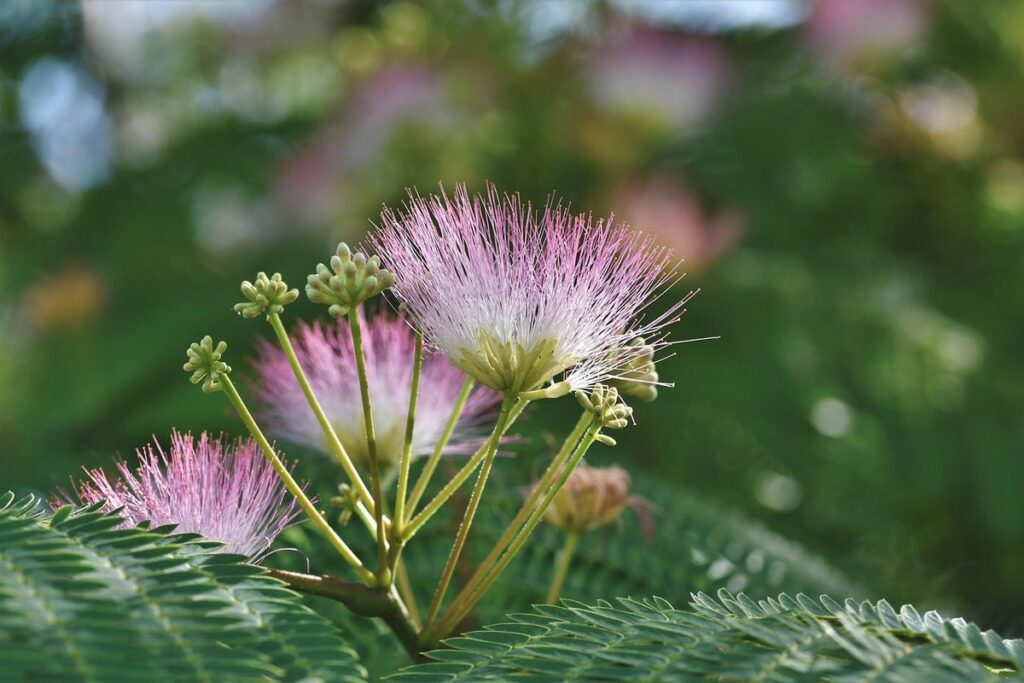
One of the most distinctive features of the silk tree is its compound leaves, which resemble a fern-like structure with 20-40 pairs of leaflets. These delicate leaves are a vibrant green color and can grow up to 1 foot long. In the summer months, the silk tree produces show-stopping clusters of pink or purple flowers that attract pollinators like bees and butterflies.
As you consider growing your own silk tree, keep in mind its adaptability to various climates. While it prefers well-drained soils, it can tolerate some shade and dry conditions. However, regular watering and fertilization will ensure optimal growth and blooming performance.
History of the Silk Tree in Cultivation
The silk tree has been cultivated for centuries, with its introduction to new regions and spread across different cultures being a testament to its enduring appeal. Its history of cultivation can be traced back to ancient China, where it was highly valued for its beautiful flowers, shade-providing canopy, and ability to stabilize soil.
From China, the silk tree was introduced to Japan in the 8th century, where it quickly became a popular ornamental tree in Buddhist gardens and temples. Its introduction to Europe in the 18th century further solidified its place in international horticulture. In many parts of Asia, the silk tree is still considered a sacred plant, often planted near temples and pagodas.
Interestingly, the silk tree has also been used as a natural shelter for travelers and traders throughout history. Its flexible branches and leaves provide excellent shade and protection from harsh weather conditions, making it an ideal choice for temporary settlements.
Today, the silk tree is grown in many parts of the world, with its adaptability to various climates and soil types contributing to its widespread cultivation. Whether you’re a seasoned horticulturist or just starting out, growing your own silk tree can be a rewarding experience that brings beauty and tranquility to any environment.
Section 2: Identification and Characteristics
Let’s dive into the world of silk trees, where every species has its unique characteristics. We’ll explore the key identifiers that set them apart from one another.
Morphological Features of the Silk Tree
The silk tree’s physical characteristics are as striking as its cultural significance. One of its most distinctive features is its large, dark green leaves, which can grow up to 18 inches long and have a pointed tip. The leaf shape is typically ovoid with a serrated margin, providing a delicate contrast to the tree’s robust trunk.
The silk tree produces showy flowers in shades of pink or purple, often growing in clusters along the branches. These fragrant blooms are a major draw for pollinators and attract bees, butterflies, and hummingbirds alike. The bark is smooth and gray when young, but develops into a thick, rugged texture with age.
When identifying a silk tree, pay close attention to its leaf shape and flower color. However, be aware that some cultivars may have variations in these traits due to selective breeding. To confirm your identification, consult with an expert or use botanical resources for guidance.
Growth Habits and Environmental Requirements
To cultivate the majestic Silk Tree (Albizia julibrissin), you’ll need to replicate its native environment. This deciduous tree thrives in warm climates with mild winters and hot summers. It prefers well-drained soil with a pH between 5.5 and 6.5, making it adaptable to various regions. However, it’s sensitive to waterlogging, so ensure your soil drains properly.
Proper pruning is essential for the Silk Tree’s health and appearance. Prune in late winter or early spring, removing any dead or damaged branches. This will help maintain the tree’s natural shape and promote new growth. Avoid over-pruning, as this can stress the tree and make it more susceptible to disease.
In ideal conditions, a Silk Tree can grow up to 50 feet tall with a spread of around 30-40 feet. However, regular pruning can help control its size and maintain a more compact shape. With proper care and attention, your Silk Tree will become a stunning addition to any landscape, providing shade, beauty, and a sense of serenity for years to come.
Section 3: Uses and Benefits
In this section, we’ll delve into the various uses of the silk tree, from its practical applications to its potential health benefits. Its versatility has made it a valuable resource for centuries.
Ornamental Value of the Silk Tree
The silk tree’s ornamental value lies in its striking beauty and versatility as a garden feature. Its showy flowers, which come in shades of pink, white, and red, attract pollinators like bees and butterflies, adding to the tree’s biodiversity benefits. The tree’s stately growth habit and vase-shaped crown make it an attractive addition to landscapes, providing shade and visual interest.
When selecting a silk tree for ornamental purposes, consider factors such as mature size and growth rate. Some species, like Albizia julibrissin, are more compact and suitable for smaller spaces, while others, like Zygia costaricensis, grow much larger and may require more space to accommodate their mature size.
To maximize the ornamental value of a silk tree, plant it in a location that allows its flowers and foliage to be fully appreciated. The tree’s ability to thrive in full sun or partial shade makes it adaptable to various garden conditions. Regular maintenance, including pruning and fertilization, will also help maintain the tree’s health and appearance.
The silk tree is a popular choice for ornamental landscaping due to its ability to add visual interest and attract beneficial wildlife to gardens.
Medicinal Properties and Traditional Uses
The silk tree’s medicinal properties have been harnessed for centuries in traditional medicine to treat various ailments. In many Asian cultures, the silk tree is revered for its ability to alleviate fever, rheumatism, and skin conditions. The tree’s bark, leaves, and roots are used to create teas, infusions, and tinctures that are believed to possess anti-inflammatory and antiseptic properties.
Traditionally, the silk tree has been used to treat digestive issues, including diarrhea, constipation, and indigestion. A decoction made from the tree’s bark is said to stimulate digestion and relieve symptoms associated with irritable bowel syndrome (IBS). In some regions, the silk tree’s leaves are used to create a poultice that is applied topically to reduce swelling and promote wound healing.
When using the silk tree for medicinal purposes, it’s essential to consult with a qualified practitioner or healthcare professional. The tree’s properties can interact with certain medications, and improper preparation can lead to adverse reactions. By harnessing the silk tree’s natural properties under guidance, individuals can tap into its therapeutic potential while minimizing risks.
Section 4: Cultural Significance and Symbolism
The Silk Tree has been imbued with cultural meaning across various civilizations, symbolizing everything from love and fertility to power and wisdom in different contexts. Let’s explore its rich symbolic significance together.
Silk Tree in Asian Cultures
In many Asian cultures, the silk tree holds a revered place due to its association with mythological figures and deities. For instance, in Chinese culture, the silk tree is said to be the favorite dwelling of the goddess of mercy, Guanyin. According to legend, she resides within the tree’s branches, guiding lost souls towards redemption.
Similarly, in Hindu mythology, the silk tree is linked to the god Krishna, who is often depicted resting beneath its shade. This mythological connection has led to the silk tree being used as a symbol of spirituality and introspection in many Asian societies.
The silk tree also features prominently in traditional medicine, with its bark and leaves believed to possess healing properties. However, it’s essential to note that using these plant parts for medicinal purposes requires proper knowledge and caution. In some regions, the tree’s seeds are even used as a natural dye, imbuing fabrics with vibrant colors.
In Asian cultures, the silk tree is often revered not just for its practical uses but also for its symbolic value. It represents the balance between nature and human existence, serving as a reminder of our interconnectedness with the environment.
Silk Tree as a Symbol of Prosperity
In many cultures around the world, the silk tree is deeply rooted in symbolism and is often associated with good fortune and prosperity. In ancient China, for example, the silk tree was considered a symbol of wealth and abundance due to its ability to produce high-quality silk fibers. The Chinese believed that planting a silk tree near their homes would bring them good luck and financial prosperity.
In Japan, the silk tree is revered as a sacred plant, often associated with the god of agriculture. Japanese farmers believe that growing silk trees in their fields will bless their crops with fertility and abundance. Similarly, in some African cultures, the silk tree is believed to possess spiritual powers that can bring wealth and prosperity to those who cultivate it.
If you’re considering planting a silk tree for its symbolic value, here are a few tips to keep in mind: choose a variety that’s well-suited to your climate, provide plenty of sunlight and water, and be patient – silk trees can take several years to mature. By incorporating the silk tree into your garden or landscape, you may just attract some good fortune into your life!
Section 5: Care and Maintenance
To keep your silk tree healthy and thriving, regular care and maintenance are essential. This includes tasks such as pruning, watering, and protecting it from pests and diseases.
Pruning and Training Techniques
Pruning and training your silk tree is an essential part of maintaining its optimal growth, shape, and health. Regular pruning not only helps to control the size of the tree but also encourages a balanced and full canopy. When pruning your silk tree, focus on removing any dead or damaged branches, as these can be susceptible to disease and pests.
To encourage a strong central leader, remove any weak or crossing branches that compete with it for water and nutrients. This will help direct the tree’s energy towards producing healthy growth. Prune your silk tree during its dormant season, typically in late winter or early spring, to minimize stress on the tree.
Training techniques, such as using trellises or stakes, can also be effective in shaping your silk tree. For example, you can use a central leader system to create a narrow, upright growth habit, ideal for smaller spaces. Alternatively, you can train your silk tree to grow as a weeping standard, perfect for creating a dramatic focal point in the garden.
By pruning and training your silk tree regularly, you’ll not only maintain its health but also encourage it to reach its full potential.
Common Pests and Diseases
Silk trees are generally hardy plants, but they can be susceptible to certain pests and diseases that can cause damage if left unchecked. One of the most common pests affecting silk trees is the Japanese beetle, which feeds on the tree’s leaves and can cause significant defoliation. To prevent infestations, it’s essential to keep your garden clean by removing weeds and debris, as these can attract pests.
Regularly inspecting your tree for signs of pests or diseases is crucial in catching issues early on. Look out for holes in leaves, yellowing or browning foliage, and other visual cues that may indicate a problem. If you notice any of these symptoms, treat the affected area promptly with an insecticidal soap or neem oil.
Some common diseases affecting silk trees include powdery mildew and root rot. These can often be prevented by providing good air circulation around the tree and ensuring it has well-draining soil. By taking these simple precautions, you can help keep your silk tree healthy and thriving for years to come.
Section 6: Environmental Impact and Conservation Status
As we explore the silk tree’s rich history and cultural significance, let’s also take a closer look at its impact on our planet and the efforts to protect this incredible species.
Threats to the Silk Tree’s Ecosystem
The silk tree’s ecosystem is facing numerous threats that are causing concern among conservationists and environmentalists. Habitat loss is one of the primary concerns, as urbanization and agriculture lead to the destruction of natural habitats where the silk tree grows. For instance, in China, where the silk tree is native, vast areas of land have been cleared for construction and agricultural purposes, resulting in a significant decline in silk tree populations.
Climate change is another pressing issue affecting the silk tree’s ecosystem. Rising temperatures and changing precipitation patterns are altering the delicate balance of the environment, making it challenging for the silk tree to adapt. Invasive species, such as the emerald ash borer, also pose a threat to the silk tree by competing with it for resources and potentially transmitting diseases.
To mitigate these threats, it’s essential to adopt sustainable land-use practices and implement conservation efforts. This can be achieved by planting native vegetation, reducing chemical usage in agriculture, and promoting eco-friendly urban planning. By taking collective action, we can help preserve the silk tree’s ecosystem and ensure its continued existence for future generations.
Conservation Efforts and Sustainable Practices
As we delve into the world of the silk tree, it’s essential to acknowledge the critical role conservation efforts and sustainable practices play in protecting this majestic species. Unfortunately, the silk tree is facing threats such as habitat loss, over-exploitation, and climate change, which can have devastating consequences on its population and ecosystem.
To mitigate these risks, several initiatives are underway. For instance, the International Union for Conservation of Nature (IUCN) has listed Albizia julibrissin, the silk tree species native to China, as Near Threatened due to declining populations in parts of its range. As a result, conservation organizations and governments are working together to establish protected areas and reforestation programs.
You can play a role in supporting these efforts by adopting sustainable practices when sourcing silk products or engaging with local communities that rely on the tree for livelihoods. By choosing certified eco-friendly fabrics and supporting community-led initiatives, you’re contributing to the preservation of this incredible species and its habitats. Moreover, spreading awareness about the importance of conservation can help raise support for ongoing projects and inspire others to join the cause.
Frequently Asked Questions
How do I choose the right variety of Silk Tree for my climate?
When selecting a Silk Tree, consider factors like temperature tolerance, humidity levels, and sunlight exposure to ensure you’re choosing a cultivar that thrives in your local environment. Research the specific requirements for popular varieties like ‘Summer Chocolate’ or ‘Rosie’s Daydream’, and consult with local nurseries or gardening experts if needed.
What are some common pests or diseases that affect Silk Trees?
Silk Trees can be susceptible to pests like aphids, whiteflies, and spider mites, as well as fungal diseases such as root rot and leaf spot. Regularly inspect your tree for signs of infestation or infection, and implement integrated pest management techniques like neem oil sprays, pruning, and maintaining good hygiene practices.
Can Silk Trees be grown in containers?
Yes! Silk Trees can thrive in large containers with proper care. Ensure the container is at least 14 inches deep to accommodate the tree’s extensive root system, and use a well-draining potting mix. Keep an eye on soil moisture levels, as overwatering can lead to root rot.
How do I propagate Silk Trees?
Silk Trees can be propagated through seed or cuttings. For seeds, sow them directly in a nursery bed in the fall or early spring, and provide protection from extreme temperatures. For cuttings, take 6-8 inch stem sections during the active growing season, remove lower leaves, and plant them in a rooting hormone-rich medium.
Can Silk Trees be used for landscaping purposes?
Yes! With its stunning foliage and vibrant blooms, the Silk Tree is an excellent choice for ornamental landscapes. Consider using it as a specimen tree or in groupings to create a dramatic effect. Be mindful of the mature size (typically 30-50 feet tall) and ensure sufficient space for growth.