
Are you tired of slaving away in your garden every weekend, only to see it grow unruly again the next? You’re not alone. Many of us dream of having a beautiful outdoor space that’s easy to maintain and doesn’t break the bank. That’s where low maintenance garden design comes in – a game-changer for busy homeowners who want to enjoy their garden without sacrificing hours of precious free time.
In this ultimate guide, we’ll explore the secrets to creating a stunning, low-maintenance garden that’s perfect for even the most novice green thumbs. From drought-tolerant plants and efficient irrigation systems to budget-friendly ideas and clever design hacks, you’ll learn how to create an oasis in your backyard with minimal upkeep. Whether you’re a seasoned gardener or just starting out, this article is packed with practical tips and inspiration to help you achieve the beautiful outdoor space of your dreams without the hassle.
Choosing the Right Plants
When it comes to a low maintenance garden design, selecting plants that thrive with minimal care is essential. We’ll explore the best plants for your space in this section.
Drought-Tolerant Options
When it comes to creating a low-maintenance garden, incorporating drought-tolerant plants is a must. These hardy species can thrive in areas with minimal watering, making them perfect for busy gardeners or those living in water-restricted regions.
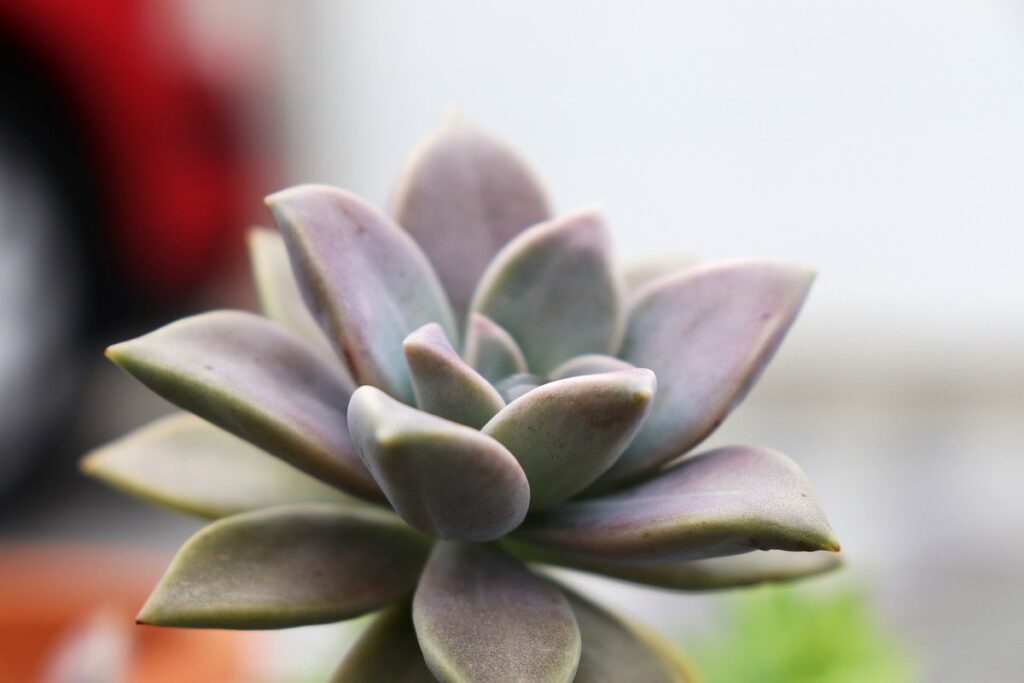
Some popular drought-tolerant options include succulents and cacti. Aloe vera, agave, and echeveria are just a few examples of these low-maintenance plants that come in a variety of shapes, sizes, and colors. Not only do they require infrequent watering, but they also add unique textures and visual interest to your garden.
When selecting drought-tolerant plants, consider the amount of sunlight and temperature fluctuations your garden is exposed to. For instance, succulents like aloe vera can tolerate full sun to partial shade, while others like echeveria prefer shadier conditions. Additionally, make sure to choose species that are suitable for your region’s climate.
To care for these plants, water them sparingly and allow the soil to dry out completely between waterings. This will help prevent root rot and other issues associated with overwatering. By incorporating drought-tolerant plants into your garden design, you’ll be well on your way to creating a beautiful, low-maintenance outdoor space that requires minimal upkeep.
Groundcovers and Thyme
When it comes to creating a lush, weed-free surface in your low-maintenance garden design, groundcovers are an excellent choice. Plants like thyme, creeping juniper, and sedum are perfect for this purpose. These hardy, spreading plants require minimal care and can thrive in poor soil conditions, making them ideal for areas with limited watering or fertilizing.
One of the benefits of using groundcovers is that they suppress weeds, reducing the need for herbicides and other weed control methods. Thyme, in particular, is a great option as it forms a dense mat of foliage that chokes out weeds, creating a uniform surface. Creeping juniper is another popular choice, as its slow-spreading habit allows it to fill gaps between pavers or stones.
To use groundcovers effectively, start by preparing the soil. Loosen the top 6-8 inches and add a layer of organic matter like compost. This will help the plants establish themselves quickly and reduce water consumption. Plant the groundcover in early spring or fall, spacing them about 12-18 inches apart to allow for adequate growth. Water regularly during the first growing season, but avoid overwatering as this can lead to root rot and other issues. With proper care, your low-maintenance garden design will flourish with a lush, weed-free surface.
Ornamental Grasses
Ornamental grasses are often the unsung heroes of garden design. They’re incredibly versatile, yet often overlooked in favor of more showy plants. But if you’re looking for a low-maintenance solution that still packs visual punch, ornamental grasses are an excellent choice.
One of the biggest benefits of ornamental grasses is their ability to thrive with minimal care. Unlike flowering perennials or shrubs, they don’t require regular pruning, fertilizing, or deadheading. They’re also drought-tolerant and can handle a range of soil types, making them perfect for busy gardeners or those new to gardening.
When selecting ornamental grasses for your garden, consider their growth habits and textures. Some popular options include pampas grass, fountain grass, and blue oat grass. These plants come in a range of heights and colors, allowing you to create visual interest without the maintenance. Simply plant them in well-draining soil and enjoy the benefits of effortless beauty.
As a bonus, ornamental grasses provide habitat for local wildlife, such as birds and butterflies, adding another layer of functionality to your low-maintenance garden design.
Designing a Low Maintenance Garden Layout
When designing a low maintenance garden, it’s essential to consider space-efficient layouts and clever plant selections that minimize upkeep and maximize beauty. Let’s explore these key elements together.
Creating a Rainwater Harvesting System
Incorporating rainwater harvesting into your low-maintenance garden design is an excellent way to reduce water consumption and create a more self-sufficient outdoor space. Not only will it save you money on your water bills, but it’ll also minimize the need for frequent watering, which can be a significant time-suck.
To get started, you’ll need to install a simple rainwater harvesting system. This typically involves connecting a downspout or gutter from your roof to a storage tank, where the collected rainwater will sit until you’re ready to use it. You can purchase pre-made kits that include everything you need, including the tank and piping.
When designing your system, consider the following tips: choose a location for the tank that’s accessible but out of sight, ensure the pipe connections are secure to prevent leaks, and don’t forget to install a first flush device to filter out any debris from the roof. By incorporating rainwater harvesting into your garden design, you’ll be reducing your water footprint while enjoying the benefits of a low-maintenance outdoor space.
Efficient Irrigation Systems
When it comes to designing a low maintenance garden, efficient irrigation systems are essential. Not only do they save water, but they also reduce the time and effort required for upkeep. There are several types of efficient irrigation systems you can consider for your garden.
Drip irrigation is one popular option that delivers water directly to the roots of plants, reducing evaporation and runoff. This type of system consists of a network of tiny tubes that emit water at a slow rate, ensuring each plant receives the right amount of moisture. For example, if you’re planting a vegetable bed, drip irrigation can help prevent fungal diseases by delivering water directly where it’s needed.
Another option is soaker hoses, which are long, porous hoses that release water along their length as they’re watered. These hoses can be placed in flower beds or lawns, providing consistent moisture levels and reducing the risk of overwatering. When choosing an efficient irrigation system, consider factors like plant types, climate, and soil conditions to ensure you select a system that meets your garden’s specific needs.
Pathways and Hardscaping
When designing a low-maintenance garden layout, pathways and hardscaping often get overlooked. However, they play a crucial role in creating a visually appealing and functional outdoor space.
Let’s start with the essentials. Paths and walkways are necessary for navigating through the garden, but they don’t have to be high-maintenance. Consider using gravel or wood chips as alternative materials to traditional stone or brick. Gravel is an excellent option because it allows water to penetrate through, reducing erosion and runoff. It also comes in a variety of colors and textures, making it easy to match with your garden’s aesthetic.
When choosing between different types of pathways, consider the amount of foot traffic your garden will receive. For example, if you have a large family or frequently entertain guests, opt for a more durable material like concrete or stone pavers. On the other hand, if your garden is mostly used for relaxation and contemplation, gravel or wood chips might be sufficient.
Remember to also consider the drainage system when selecting pathways. Proper drainage will prevent water from accumulating in low-lying areas, reducing the risk of erosion and damage to plants.
Soil Preparation and Mulching
To create a stunning low-maintenance garden, it all starts with preparing the soil for healthy growth. Let’s dive into the essential techniques of soil preparation and mulching.
The Importance of Good Soil Structure
When it comes to creating a low-maintenance garden, good soil structure is often overlooked but plays a vital role. Imagine trying to build a strong house on shaky ground – it’s just not going to last long! The same applies to plants; if the soil beneath them isn’t stable and well-draining, they’ll struggle to thrive.
To determine your soil type, grab a handful of dirt and squeeze it. If it forms a tight ball that crumbles easily when poked, you have clay-heavy soil. Sandy soil will fall apart quickly, while loam is ideal – it holds its shape but breaks down with pressure. You can also purchase a DIY soil testing kit to get more precise results.
Once you know your soil type, you can amend it to create a healthy growing environment. Add organic matter like compost or well-rotted manure to improve drainage and fertility. Mulch around plants to retain moisture and suppress weeds – a simple but effective trick for low-maintenance gardening!
Mulch Options and Benefits
When it comes to creating a low-maintenance garden, mulch is an essential component. Not only does it add a decorative touch, but it also provides numerous benefits that will save you time and effort in the long run.
One of the most significant advantages of using mulch is its ability to suppress weeds. Weeds can be a major nuisance, stealing water and nutrients from your plants. By applying a thick layer of mulch, you’ll prevent weeds from germinating in the first place. Wood chips and bark are excellent options for weed suppression, as they create a physical barrier that prevents seeds from taking hold.
Another benefit of mulch is its ability to retain moisture in the soil. This means you’ll need to water your plants less frequently, which can lead to significant savings on your water bill. Straw mulch is particularly effective at retaining moisture, as it allows for good drainage and doesn’t compact over time.
When choosing a mulch type, consider the climate and soil conditions of your garden. Wood chips are suitable for most gardens, but bark may be too dense in areas with poor drainage. Straw is an excellent choice for dry climates or areas with poor soil quality.
Maintenance Tips and Tricks
To keep your low maintenance garden looking its best, here are some essential tips for regular upkeep and troubleshooting common issues that may arise.
Scheduling Regular Checks
Scheduling regular checks is crucial to maintaining a low-maintenance garden. By setting aside time each week to inspect your garden, you can catch issues before they escalate into major problems. Allocate 15-30 minutes, twice a month, for this task.
Start by walking through the garden, paying attention to areas with dense plantings or those prone to moisture accumulation. Check for signs of pests, diseases, or nutrient deficiencies in plants. Inspect irrigation systems and ensure proper water flow. Don’t forget to examine structural elements like fences, trellises, and retaining walls for any damage.
Keep a maintenance log to track your progress and note any issues that arise. This will help you identify patterns and anticipate potential problems. Consider implementing a seasonal maintenance plan to coincide with your garden’s growth cycles. For example, check soil pH levels in spring, prune flowering plants in summer, and inspect root systems during autumn.
By staying on top of regular checks, you can prevent small issues from becoming costly, time-consuming repairs, ultimately ensuring the health and longevity of your low-maintenance garden.
How to Deal with Common Pests
When it comes to low-maintenance gardens, pest management can be just as important as selecting the right plants. To keep your garden healthy and thriving without sacrificing too much time or effort, here are some common pest management strategies to try.
For slugs and snails, consider using copper tape around plant pots or raised beds. These pesky pests don’t like to cross over copper, so they’ll be deterred from feeding on your plants. You can also set up traps by placing shallow containers filled with beer near affected areas – the slugs and snails will fall in and drown.
For aphids, try introducing beneficial insects such as ladybugs or lacewings to your garden. These natural predators feed on aphid populations, keeping them under control without using harsh chemicals. If infestations are severe, use neem oil or insecticidal soap to gently wipe out the pests.
Remember to also inspect your plants regularly and remove any affected leaves or stems to prevent pest spread. By staying proactive and implementing these strategies, you can enjoy a healthy, low-maintenance garden without worrying about common pests.
Budget-Friendly Ideas
You’re looking for low-cost garden design ideas that still pack a punch. This section shares budget-friendly ways to create a beautiful, hassle-free outdoor space on a shoestring budget.
Repurposing and Upcycling Materials
When it comes to creating a low-maintenance garden design on a budget, repurposing and upcycling materials is an excellent way to get creative while saving money. You can breathe new life into old items and give them a second chance in your garden.
Think of an old pallet, for instance. Instead of throwing it away, you can transform it into a beautiful garden bench or a unique planter box. Simply clean the pallet, add some decorative paint, and attach it to a fence or a wall. You’ll have a cozy spot to relax and enjoy your garden without breaking the bank.
Another example is using old mason jars as mini greenhouses for seedlings or as self-watering planters for indoor plants. Just add a small tray underneath the jar, fill it with soil and your chosen plant, and place it in a sunny spot. This is an eco-friendly way to reuse materials you might have otherwise thrown away.
When repurposing materials, consider using items like old wooden crates, cardboard tubes, or even plastic bottles as planters or trellises. Get creative and think outside the box – your garden will thank you!
Affordable Hardscaping Options
When it comes to creating a low-maintenance garden design, hardscaping is an essential element to consider. However, it can be overwhelming with the numerous options and price tags that come with them. The good news is that you don’t have to break the bank to achieve your desired look.
One of the most budget-friendly options for hardscaping is using stone or gravel for pathways and patios. Not only are these materials durable and low-maintenance, but they also add a touch of elegance to your outdoor space. For instance, pea gravel is an affordable option that can be used as a groundcover in high-traffic areas. It’s also easy to install and can be replenished as needed.
Another great alternative is to use recycled or reclaimed stone, which not only saves you money but also adds a unique touch to your garden design. Consider repurposing old bricks or stones from other projects to create a one-of-a-kind patio or pathway. With a little creativity, you can achieve a beautiful and functional hardscaped area without overspending.
Some other budget-friendly options include:
* Using mulch instead of expensive pavers for pathways
* Creating a gravel or sand-based patio that’s easy to maintain
* Incorporating existing terrain features like slopes or hills into your design
* Repurposing old materials from other areas of the garden, such as old containers or fencing
Remember, the key to creating a low-maintenance garden design is to keep it simple and functional. By incorporating affordable hardscaping options like stone or gravel, you can achieve a beautiful outdoor space that requires minimal upkeep and maintenance.
Case Studies: Real-Life Examples of Low Maintenance Gardens
Real-life examples of low maintenance gardens can be found in many residential settings. For instance, consider a small urban garden in a densely populated area where space is limited. In such a scenario, a raised bed or container garden with drought-tolerant plants and mulch or gravel pathways would be an ideal solution. This setup requires minimal watering, pruning, and maintenance, making it perfect for busy city dwellers. Another example could be a large estate with plenty of space but limited budget, where native plants and succulents are incorporated into the design to reduce water consumption and eliminate the need for pesticides or fertilizers.
Consider visiting local botanical gardens or attending gardening workshops to see these concepts in action. You can also consult with professionals who specialize in low maintenance garden design to get personalized advice on how to apply these ideas to your own outdoor space.
Frequently Asked Questions
How do I choose the right plants for my low-maintenance garden if I have a specific soil type or climate?
When selecting plants, consider your local climate, soil pH, and sunlight conditions. For example, if you live in an area with high temperatures and low rainfall, opt for drought-tolerant species like succulents or cacti. Research plant suitability for your region to ensure success.
Can I use pre-made mulch or should I make my own?
You can use either pre-made or homemade mulch, depending on your preference and schedule. Pre-made mulch is convenient but may contain chemicals; making your own from organic materials like leaves, grass clippings, or wood chips ensures a chemical-free environment.
How often do I need to check my low-maintenance garden for pests and diseases?
Regular checks are essential to maintain a healthy garden. Schedule weekly inspections during peak growing seasons (spring-fall) and monthly visits during winter. This will help catch potential issues early on, reducing the risk of damage or needing costly treatments.
Can I repurpose materials from other areas in my yard or home for hardscaping?
Yes! Get creative with materials you already have, like old bricks, stones, or broken ceramics. Use them to create pathways, borders, or decorative accents, saving money on supplies and reducing waste. Just ensure proper cleaning and preparation before using.
How can I incorporate efficient irrigation systems into an existing garden design?
Assess your current watering setup and identify areas for improvement. Consider installing drip irrigation, soaker hoses, or rain sensors to optimize water use. Consult with a professional if needed, as improper installation can lead to wasted resources or damaged plants.