
As you step into your garden, have you ever wondered how to grow a steady supply of fresh produce without relying on annual crops that need constant replanting? Edible perennials are the answer to this dilemma. These hardy plants come back year after year, providing a bountiful harvest with minimal maintenance. By incorporating edible perennials into your garden, you’ll not only be saving time and resources but also contributing to sustainable gardening practices that benefit the environment.
In this article, we’ll explore the world of edible perennials in-depth. We’ll discuss how to select the right plants for your climate and needs, provide tips on their care and preservation techniques, and share expert advice on how to enjoy a year-round harvest. Whether you’re a seasoned gardener or just starting out, this guide will show you how to make the most of edible perennials and take your gardening game to the next level.
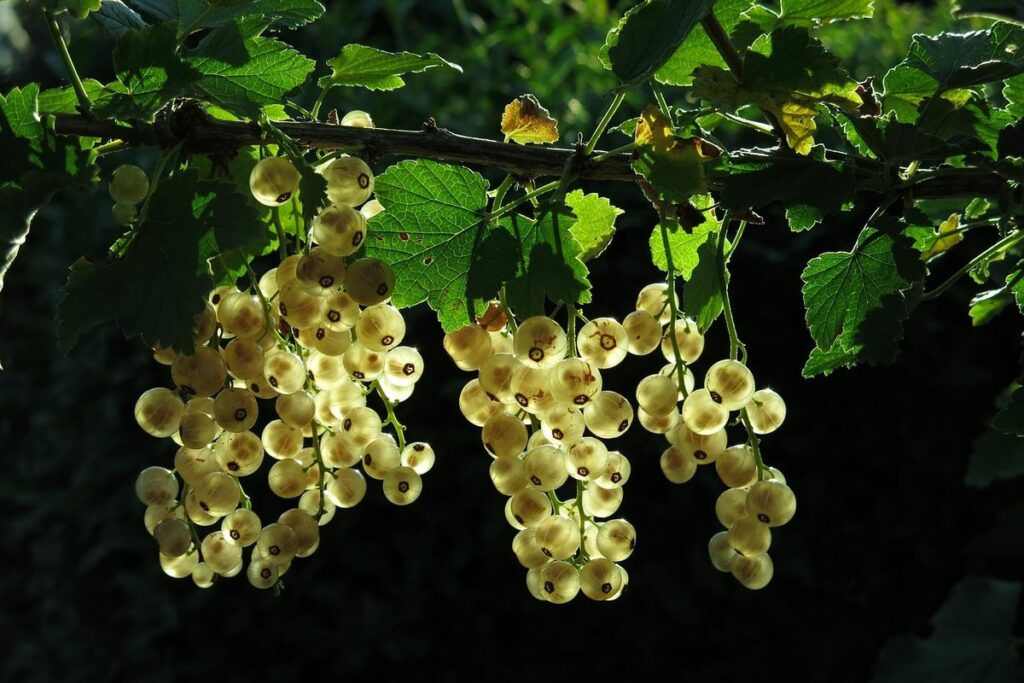
Introduction to Edible Perennials
Let’s start by exploring some of the most popular and easy-to-grow edible perennials, perfect for adding fresh flavor to your meals year-round. You’ll discover what makes them so versatile and valuable in any garden.
What are Edible Perennials?
So, you’re wondering what edible perennials are? Simply put, they’re plants that can be harvested for food multiple times within a growing season, and will come back year after year. Examples of these amazing plants include asparagus, rhubarb, artichokes, and strawberries – all super easy to grow and maintain in your own backyard.
Edible perennials offer a host of benefits that’ll make you love them even more. For starters, they’re incredibly hardy and can thrive with minimal care, making them perfect for busy gardeners or those new to gardening altogether. They also require less maintenance than annuals, as they don’t need to be replanted every season. Plus, their ability to regrow year after year means you’ll save money on seeds and other supplies.
But the best part? Edible perennials allow you to enjoy fresh produce during seasons when it’s out of season – talk about a game-changer! Imagine snacking on juicy strawberries in February, or enjoying a delicious artichoke in December. With edible perennials, the possibilities are endless and limited only by your imagination and creativity.
Importance of Edible Perennials in Sustainable Gardening
Edible perennials are an essential component of sustainable gardening practices. By incorporating these plants into your garden, you can significantly improve food security, reduce waste, and lower maintenance requirements.
One of the primary benefits of edible perennials is their ability to provide a steady supply of fresh produce year-round. Unlike annuals, which need to be replanted every season, perennials come back year after year, reducing the need for new seeds or seedlings. This reliability also means you can plan your meals and cooking around the seasons, ensuring that you always have access to fresh, nutritious food.
In addition to their productivity, edible perennials are often low-maintenance compared to annuals. Once established, they require less watering, fertilizing, and pruning, making them a great choice for busy gardeners or those new to gardening. For example, asparagus and rhubarb are both hardy perennials that can thrive in poor soil with minimal care.
By incorporating edible perennials into your garden, you’ll also be reducing waste generated by conventional farming practices. Annuals often require the use of pesticides, herbicides, and other chemicals to keep pests at bay, which can pollute soil, waterways, and air. In contrast, many edible perennials are naturally pest-resistant or can be grown using organic methods.
Incorporating edible perennials into your garden is a simple yet effective way to promote sustainability. By planting these hardy, reliable plants, you’ll be able to enjoy a bountiful harvest year after year while reducing your environmental footprint.
Choosing the Right Edible Perennials for Your Garden
When selecting edible perennials, consider factors like climate, soil type, and mature plant size to ensure a successful and sustainable harvest in your garden. Choose plants that thrive in your specific conditions.
Factors to Consider When Selecting Edible Perennials
When selecting edible perennials for your garden, there are several factors to consider. First and foremost, think about your climate and soil type. For example, asparagus is a popular perennial that thrives in well-drained, fertile soils and full sun, but it’s not suitable for areas with cold winters or poor drainage. On the other hand, rhubarb prefers cooler temperatures and can tolerate some shade.
Consider your sunlight requirements as well. Some perennials like artichokes and cardoons require full sun, while others like strawberries and raspberries can tolerate partial shade. Don’t forget to think about personal preferences too – do you have a family of picky eaters or are there specific flavors you want to incorporate into your meals?
Ultimately, the key is to choose edible perennials that fit your garden’s unique conditions and your family’s tastes. Research different options and consider factors like maturity dates, space requirements, and pest/disease resistance before making your final selection. By doing so, you’ll be well on your way to creating a thriving perennial garden that provides fresh produce year-round.
Popular Edible Perennial Plants for Beginners
When it comes to starting an edible perennial garden, it’s essential to choose plants that are easy to grow and require minimal maintenance. For beginners, some popular and hardy options include strawberries, rhubarb, and artichokes. These perennials are perfect for those new to gardening, as they’re relatively low-maintenance and can thrive in a variety of conditions.
Strawberries are a great choice for beginners, as they produce fruit within just a few months of planting. They prefer well-draining soil and full sun, making them ideal for gardens with good sunlight. Rhubarb is another easy-to-grow perennial that tolerates shade and cooler temperatures, making it perfect for partial shade areas. Artichokes are also relatively low-maintenance and can thrive in a range of soil types.
To get started with these perennials, make sure to plant them in the right location and provide them with the necessary care. Water them regularly, but avoid overwatering, which can lead to disease and pests. With proper care, you’ll be enjoying fresh strawberries, rhubarb, and artichokes from your garden all year round!
Planting and Caring for Edible Perennials
Let’s get down to the nitty-gritty of growing your favorite edible perennials, starting with how to plant and care for them so they thrive year after year.
Preparing the Soil for Edible Perennials
When preparing your soil for edible perennials, it’s essential to consider their specific needs and adaptability. Start by testing your soil to determine its pH level and nutrient content. This will help you identify areas where adjustments are necessary.
Most edible perennials prefer well-draining, fertile soils with a slightly acidic pH (around 6.0-7.0). However, some plants like asparagus and rhubarb can tolerate more alkaline conditions. Conducting a soil test will give you an accurate reading of your soil’s pH and nutrient levels.
Based on the results, take steps to balance your soil’s pH and add necessary nutrients. Organic amendments such as compost or well-rotted manure can help improve soil fertility without disrupting its natural balance. Apply these amendments in spring or fall, avoiding the growing season when possible.
Keep in mind that different perennials have varying requirements for fertilization. For example, strawberry plants prefer slightly acidic soils with a pH between 5.5 and 6.5. On the other hand, fruit-bearing trees like apple and pear require more alkaline conditions (around 7.0-8.0). Be sure to research specific needs of your chosen edible perennials and adjust your soil accordingly.
Watering and Mulching Techniques for Edible Perennials
Proper watering and mulching are crucial for maintaining healthy and productive edible perennial plants. When it comes to watering, the frequency depends on factors like climate, soil type, and plant variety. For most perennials, a thorough soaking once or twice a week is ideal. However, plants with deep taproots, such as asparagus and artichokes, may require more frequent watering.
To determine if your plants need water, check the soil moisture by inserting your finger into the soil up to the knuckle. If the soil feels dry, it’s time to water. Avoid overwatering, which can lead to root rot and other problems. Mulching also plays a vital role in maintaining soil health and retaining moisture.
Organic mulch like wood chips or straw helps suppress weeds, regulate soil temperature, and retain moisture. Apply 2-3 inches of mulch around the base of your plants, keeping it a few inches away from the stems to prevent rot. Replenish the mulch as needed to maintain its effectiveness. By following these simple watering and mulching techniques, you’ll be well on your way to growing healthy and productive edible perennials that provide fresh produce year-round.
Harvesting and Preserving Edible Perennial Crops
Now that your perennial crops are mature, it’s time to harvest them at their peak flavor and nutritional value. Learn how to collect, dry, and store these edible gems for year-round enjoyment.
Timing and Methods for Harvesting Edible Perennials
When it comes time to harvest your edible perennials, timing and technique are crucial to ensure you get the best flavor and texture out of your crop. The key is to understand when each plant is ready for harvesting, as well as how to do so without causing damage.
For example, perennial herbs like lavender and rosemary can be harvested year-round, but it’s best to prune them back after flowering to encourage new growth. Harvest individual leaves or sprigs of these plants as needed, making sure not to pull on the entire stem.
Root vegetables like asparagus and artichokes require a bit more care. For asparagus, you’ll want to dig carefully around the crown with a fork to avoid damaging the roots. For artichokes, trim back old flower stalks in late winter or early spring, then wait for new shoots to emerge before harvesting.
Timing is everything when it comes to fruiting perennials like rhubarb and strawberries. Rhubarb typically produces stalks from February to July, while strawberries are ready to pick from May to October. Be sure to harvest these crops regularly to encourage continuous production and prevent the plant from putting all its energy into seed production.
Avoid harvesting too much of any one crop at once, as this can stress the plant and reduce future yields. Instead, take what you need and leave enough for the plant to continue growing and producing new growth.
Preservation Techniques for Edible Perennial Crops
Preserving your bounty is essential to enjoy your edible perennial crops throughout the year. Fortunately, there are various preservation methods to suit your needs and preferences. Freezing is a great option for leafy greens like kale and spinach, which can be blanched or steamed before being placed in airtight containers or freezer bags.
Dehydrating is another popular method that helps retain nutrients and flavors of herbs like basil and mint. You can use a food dehydrator or your oven on the lowest temperature setting to dry these plants. Canning is also an excellent way to preserve fruits like strawberries and raspberries, as well as vegetables like beets and carrots.
Before preserving your edible perennials, make sure to properly clean and wash them to remove any dirt or debris. It’s also essential to follow proper food safety guidelines when canning or freezing to avoid spoilage and contamination. Start by researching the specific preservation method you’re interested in and following tested recipes and techniques to ensure success.
Some popular dehydrating methods include using a food dehydrator, sun drying, or even air-drying in a well-ventilated area. When it comes to canning, use a water bath canner for high-acid foods like fruits and pickled vegetables, while low-acid foods require a pressure canner.
Keep in mind that preserving your edible perennials is an investment of time and effort, but the rewards are immense – enjoying fresh flavors year-round from your own garden.
Challenges and Pests Associated with Edible Perennials
As you start growing your own edible perennials, be aware of potential challenges and pests that can impact their health and productivity. We’ll explore common issues to watch out for.
Common Pests and Diseases Affecting Edible Perennials
When growing edible perennials, it’s essential to be aware of the common pests and diseases that can affect them. These issues can not only reduce yields but also compromise the quality and safety of your harvest.
Some of the most common pests affecting edible perennials include aphids, which feed on plant sap, causing curled or distorted leaves; slugs and snails, which chew holes in leaves and stems; and Japanese beetles, which devour leaf tissue. To prevent these pests, use physical barriers like fine mesh or fine netting to cover plants, and hand-pick them at dawn when they’re most sluggish.
Common diseases affecting edible perennials include powdery mildew, caused by fungal spores that thrive in humid environments; and botrytis, a fungal disease that causes grayish patches on leaves. To prevent these diseases, ensure good air circulation around plants, and avoid overhead watering, which can spread spores.
Regularly inspect your plants for signs of pests or diseases and take action promptly to prevent infestations from spreading.
Integrated Pest Management (IPM) Strategies for Edible Perennials
When it comes to growing edible perennials, Integrated Pest Management (IPM) strategies are crucial for maintaining a balanced ecosystem and minimizing the use of chemical pesticides. A well-planned IPM approach involves monitoring your garden regularly for pests, diseases, and beneficial insects. This way, you can take prompt action to address any issues before they become major problems.
Start by identifying potential pest hotspots in your edible perennial garden, such as areas with high humidity or poor air circulation. For example, if you’re growing rhubarb, be aware of the potential for crown borer damage due to its location near the base of the plant. Monitor for signs of pests like aphids, slugs, and snails, which can cause significant damage to edible perennials.
To control pest populations without using chemical pesticides, try introducing beneficial insects like ladybugs or lacewings into your garden. These natural predators feed on common pests, reducing their numbers and helping maintain a balanced ecosystem. You can also use physical barriers, like fine mesh, to prevent pests from reaching your plants.
Incorporating Edible Perennials into Your Diet and Lifestyle
As you’ve grown your edible perennials, it’s time to start incorporating them into your daily meals and making a bigger impact on your health and the environment. We’ll explore practical ways to make this happen.
Culinary Uses and Benefits of Edible Perennials
When it comes to incorporating edible perennials into your diet and lifestyle, one of the most exciting aspects is exploring their culinary uses. Not only do these plants offer a continuous supply of fresh produce throughout the seasons, but they also bring a multitude of flavors and textures to your cooking.
Take for instance, the sunchokes (Helianthus tuberosus) – a starchy root vegetable that’s rich in fiber and minerals. In the spring, you can harvest its edible roots and use them as a substitute for potatoes in recipes like mashed sunchokes or roasted sunchoke fries. As the plant grows, you can also enjoy its leafy greens and flowers in salads.
Another example is the rhubarb (Rheum rhabarbarum) – a perennial favorite that’s perfect for pies, jams, and sauces. The tart flavor of rhubarb pairs beautifully with sweet fruits like strawberries or raspberries, making it an excellent addition to desserts like crisps and crumbles.
Integrating Edible Perennials into Meal Planning and Preparation
Incorporating edible perennials into your meal planning and preparation can be a seamless process when you consider seasonal availability and nutritional value. Start by identifying the perennials that thrive in your climate, such as herbs like mint, oregano, or chamomile, which can be used fresh or dried throughout the year.
For a more substantial meal, focus on perennials rich in protein like comfrey or burdock, which can be roasted or sautéed. Consider their nutritional profiles and pair them with complementary ingredients to create well-rounded dishes. For example, combine roasted burdock roots with steamed vegetables and whole grains for a nutritious and filling meal.
To make the most of your edible perennials, plan your meals around seasonal availability. In spring, take advantage of asparagus and rhubarb, while summer brings an abundance of berries and herbs. By incorporating these plants into your cooking routine, you’ll not only enjoy fresh flavors but also reduce food waste and support sustainable gardening practices.
Frequently Asked Questions
Can I grow edible perennials in containers or do they require a large garden space?
Yes, you can definitely grow edible perennials in containers! This is an excellent option for small gardens, balconies, or even indoor spaces. Choose compact varieties and ensure the container has good drainage to support healthy growth.
How do I protect my edible perennial plants from common pests and diseases?
Regularly inspect your plants for signs of pest infestation or disease. Use organic methods like neem oil, diatomaceous earth, or row covers to prevent infestations. Practice Integrated Pest Management (IPM) strategies by combining physical barriers, biological controls, and cultural practices to maintain a balanced ecosystem.
Can I harvest edible perennial crops year-round in areas with harsh winters?
Yes, but you’ll need to take extra precautions to protect your plants from extreme temperatures and frost damage. Mulch heavily around the base of your plants or use row covers to insulate them during winter months. Also, choose varieties that are more tolerant of cold weather.
How do I preserve edible perennial crops for extended periods?
There are several preservation techniques you can use, including freezing, dehydrating, pickling, and fermenting. Research the best methods for your specific crop and follow safe food handling practices to ensure quality and safety.
Can I incorporate edible perennials into a traditional vegetable garden with annual crops?
Absolutely! Edible perennials complement annual vegetables by providing structure, soil health benefits, and year-round harvests. Interplant them strategically to optimize space, reduce weeds, and create a thriving ecosystem that requires minimal maintenance.