
Are you tired of worrying about your garden’s watering needs? Do you dream of having a lush, beautiful landscape that can thrive with minimal maintenance? If so, you’re in luck! Drought-tolerant garden plants are just what you need to create a water-efficient oasis. Not only do they reduce the strain on your wallet and the environment, but they also add beauty and charm to your outdoor space.
In this article, we’ll be sharing our top picks for drought-tolerant garden plants that will make your landscape flourish with minimal watering. From vibrant flowers to lush foliage, you’ll discover a variety of options to suit your taste and climate. We’ll also provide expert tips on creating a water-efficient landscape that thrives all year round, so you can enjoy the beauty of nature without breaking the bank or worrying about dry spells.
Understanding the Need for Drought-Tolerant Plants
If you’re struggling to keep your garden thriving despite the frequent droughts, understanding the importance of selecting water-conserving plants is a crucial step in creating a sustainable outdoor space. This section will explore why drought-tolerant plants are essential for a low-maintenance garden.
What Are Drought Conditions?
Drought conditions can be devastating to garden plants, causing them to suffer from stress and potentially leading to their demise. But what exactly constitutes drought conditions? Simply put, drought is a prolonged period of abnormally low rainfall that can lead to soil moisture depletion, negatively impacting plant growth.
When soil lacks sufficient water, it can’t provide the necessary nutrients for plants to thrive. This can cause leaves to wilt, flowers to drop off, and eventually, the plant may die. Drought conditions are not just limited to arid regions; they can occur in any area where rainfall is scarce or inconsistent.
To put this into perspective, consider a region that typically receives 30 inches of rainfall per year but only received 10 inches last season. This would be considered a drought condition for plants adapted to the local climate. Gardeners in such areas often struggle to keep their plants healthy during these times.
Keep an eye on your local weather forecast and adjust your watering schedule accordingly. Watering deeply once or twice a week is more beneficial than shallow watering every day.
Types of Drought and Their Effects
When it comes to understanding drought-tolerant plants, it’s essential to comprehend the different types of drought that can affect plant growth. There are three main categories: meteorological, hydrological, and agricultural droughts.
Meteorological drought occurs when there is a deficiency in rainfall over an extended period. This type of drought is usually measured by precipitation levels, with areas receiving less than 75% of their average rainfall classified as meteorologically dry. For example, the 2012 drought in the United States was one of the most severe on record, affecting agricultural production and causing widespread crop failures.
Hydrological drought occurs when the water supply from rivers, lakes, or reservoirs is depleted due to prolonged drought conditions. This type of drought can be particularly challenging for gardeners, as it affects not only plant growth but also water availability.
Agricultural drought, on the other hand, refers to a situation where crop yields are reduced due to drought stress. Drought-tolerant plants are specifically bred or selected to thrive in these conditions. By understanding the different types of droughts and their effects, gardeners can better prepare for and manage drought conditions, ensuring that their plants receive optimal care and support.
Choosing the Right Drought-Tolerant Plants
When selecting plants for a low-maintenance garden, it’s essential to choose varieties that can thrive in dry conditions without sacrificing beauty. We’ll show you how to select drought-tolerant plants that fit your unique gardening needs.
Plant Selection Criteria
When selecting drought-tolerant plants for your garden, it’s essential to consider several factors that will ensure they thrive in their new environment. Start by assessing your climate and soil type, as these will significantly impact the success of your chosen plants.
In hot and dry climates, look for plants with deep taproots that can access water deep within the earth. Examples include succulents like aloe vera and agave, which are well-suited to areas with intense sunlight and low rainfall. In cooler, wetter climates, consider plants with broad leaves or thick stems that store moisture, such as sedum and yucca.
Consider your soil type when selecting drought-tolerant plants. Clay soils drain slowly and benefit from plants like lavender and rosemary, which have a high water requirement but are adapted to well-draining soils. Sandy soils, on the other hand, require more frequent watering and should be paired with plants that can handle dry spells, such as succulents.
Ultimately, choose plants that fit your specific climate, soil type, and desired plant characteristics. By doing so, you’ll set yourself up for success and create a drought-tolerant garden that flourishes with minimal maintenance.
Popular Drought-Tolerant Plant Species
When it comes to choosing drought-tolerant plants for your garden, there are many popular species to consider. Succulents and cacti are two of the most well-known options, but shrubs also make excellent choices.
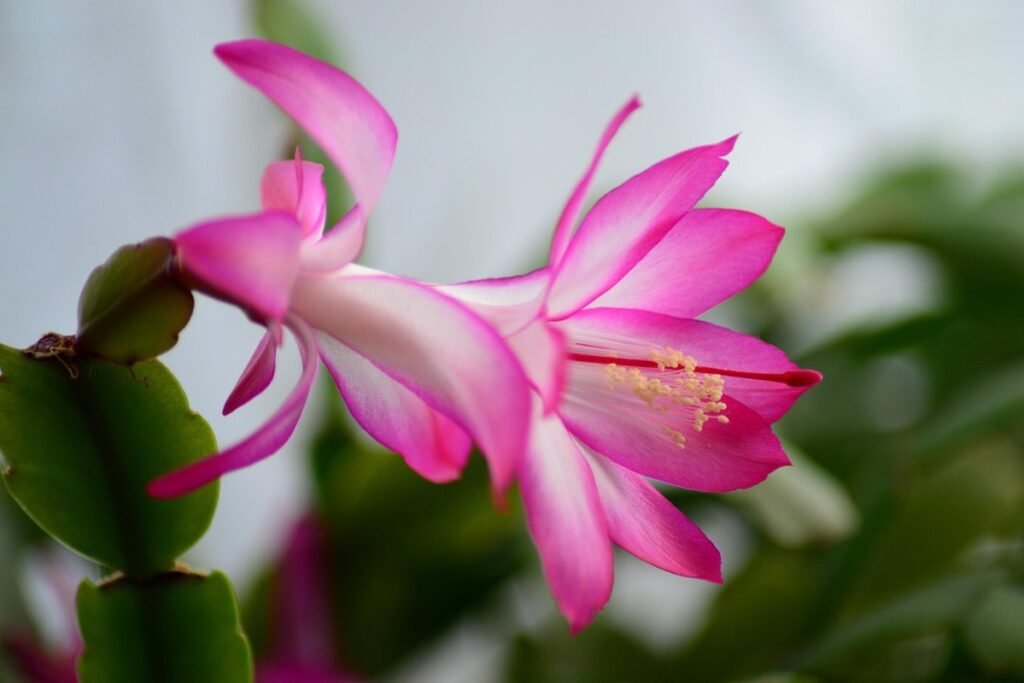
Succulents, such as aloe vera and echeveria, have thick, fleshy leaves that store water, allowing them to survive with minimal watering. They come in a wide range of shapes, sizes, and colors, making them perfect for adding visual interest to your garden. Cacti, like prickly pear and Christmas cactus, are also popular for their unique shapes and ability to thrive in dry conditions.
Shrubs, such as rosemary and lavender, are another great option for drought-tolerant gardens. They often require less maintenance than other plants and can provide beautiful flowers or fragrances throughout the growing season. Some shrubs, like juniper and boxwood, even have low water requirements, making them perfect for areas with limited rainfall.
When selecting a drought-tolerant plant species, consider factors like your climate, soil type, and available sunlight to ensure you choose plants that will thrive in your specific conditions.
Plant Care for Drought-Tolerant Gardens
When planting a drought-tolerant garden, proper care is crucial to ensure these hardy plants thrive. Let’s explore essential plant care tips that’ll keep your low-maintenance oasis looking its best.
Watering Strategies for Drought-Tolerant Plants
When it comes to watering drought-tolerant plants, it’s essential to strike the right balance between providing enough moisture and avoiding overwatering. Overwatering can be just as detrimental to these plants as underwatering, so it’s crucial to understand their specific watering needs.
Drought-tolerant plants typically require less frequent watering than other plants, but this doesn’t mean you should only water them when the soil is completely dry. In fact, most drought-tolerant plants thrive with a consistent moisture level that allows the roots to breathe and function properly. This means checking the soil regularly, usually once or twice a week during hot summer months.
The frequency of watering also depends on factors such as climate, temperature, and soil type. For example, if you live in an area with high humidity, your drought-tolerant plants may require less frequent watering than those planted in arid regions. As a general rule, water your drought-tolerant plants deeply but infrequently to encourage deep root growth and make them more resilient to drought conditions.
It’s also essential to consider the method of watering. Drought-tolerant plants are often sensitive to overwatering, so it’s best to avoid getting water on the leaves or crown. Instead, water at soil level using a soaker hose or drip irrigation system to minimize evaporation and prevent fungal diseases that thrive in moist environments.
Mulching and Soil Preparation Techniques
Proper mulching and soil preparation are crucial for maintaining healthy drought-tolerant gardens. Mulch acts as a protective barrier that retains moisture, suppresses weeds, and regulates soil temperature. Use organic materials like wood chips, bark, or leaves to mulch around plants, keeping it about 2-3 inches thick. This will help reduce water loss through evaporation and prevent soil erosion.
When preparing your soil, focus on improving its structure and fertility. Drought-tolerant plants prefer well-draining soil with a pH between 6.0 and 7.0. Test your soil to determine its nutrient levels and adjust accordingly. Add organic matter like compost or manure to enrich the soil and improve its water-holding capacity.
A simple yet effective technique is to mix in a 2-inch layer of compost into the top 8-10 inches of soil before planting. This will help plants absorb moisture more efficiently during dry spells. Additionally, consider using cover crops between plantings to add nutrients and prevent erosion. By combining these techniques, you’ll create an environment that supports drought-tolerant plants in maintaining their health and resilience.
Designing a Drought-Tolerant Garden
When creating a drought-tolerant garden, it’s essential to consider factors such as soil type, sunlight exposure, and water retention. This will help you choose the perfect plants for your specific climate.
Creating a Water-Efficient Layout
When designing a drought-tolerant garden, it’s essential to consider the layout and grouping of plants to minimize water usage. This approach is often referred to as “water-smart” design. To achieve this, start by categorizing your plants based on their water requirements.
* Group high-water plants (those requiring frequent watering) away from low-water plants, such as succulents or cacti.
* Place plants with similar moisture needs together, like shade-loving ferns near the north side of your garden.
* Consider grouping plants that require direct sunlight and those that prefer partial shade separately.
For example, a drought-tolerant layout could feature succulents and cacti in one section, while another area is dedicated to water-loving flowers like hydrangeas or begonias. This thoughtful arrangement helps reduce water waste and ensures your garden stays healthy even during periods of drought. By grouping plants strategically, you’ll create a harmonious balance between beauty and conservation.
Incorporating Other Water-Saving Features
While incorporating drought-tolerant plants is a crucial step in designing a water-conserving garden, it’s not the only feature you can use to reduce your water consumption. To take your drought-tolerant garden to the next level, consider incorporating other innovative features that collect and reuse rainwater.
One of the most effective ways to harvest rainwater is by installing a rainwater harvesting system. This involves collecting and storing rainwater from your roof in a tank or reservoir, which can then be used for irrigation purposes. For example, you can attach a downspout diverter to your gutter system, directing the water into a storage tank.
Graywater reuse systems are another option that allows you to repurpose wastewater generated by sinks, showers, and washing machines. This treated water can be used for flushing toilets or irrigating plants. To install a graywater reuse system, start by identifying areas where you can divert graywater flow. You’ll also need to ensure that the system is properly sized and installed to meet local regulations.
By incorporating these features into your drought-tolerant garden design, you can significantly reduce your water consumption while still maintaining a lush and beautiful outdoor space.
Maintenance and Troubleshooting for Drought-Tolerant Gardens
Maintaining a healthy, drought-tolerant garden requires regular check-ups to ensure your plants are thriving despite dry conditions. In this section, we’ll cover essential tips for upkeep and troubleshooting common issues that arise in these water-efficient gardens.
Common Problems and Solutions
One of the most significant challenges gardeners face with drought-tolerant gardens is dealing with pests and diseases that thrive in dry conditions. Pests like spider mites, mealybugs, and scale can infest plants, causing damage and stress. To control these pests, use neem oil or horticultural oil to suffocate them, or introduce beneficial insects like ladybugs or lacewings to prey on them.
Diseases such as root rot, leaf spot, and powdery mildew can also affect drought-tolerant plants. Preventative measures include providing good air circulation, watering plants in the morning to allow excess water to evaporate before nightfall, and avoiding overhead irrigation. When issues arise, treat with fungicides or bactericides specifically designed for organic gardening.
Some common problems that may not be immediately apparent include nutrient deficiencies, which can be caused by poor soil quality or inadequate fertilization. Regularly test your soil pH and adjust it as needed to ensure optimal growing conditions for your plants. Additionally, consider using compost or slow-release fertilizers to provide a steady supply of nutrients throughout the growing season.
Long-Term Maintenance Strategies
As you’ve successfully established your drought-tolerant garden, it’s essential to implement long-term maintenance strategies to ensure its continued health and resilience. Monitoring soil moisture is a crucial aspect of this process.
To monitor soil moisture, start by inserting a finger into the soil up to the first knuckle. If the soil feels dry, it’s time for watering. However, if it still feels damp or moist, you can wait another day or two before checking again. This simple technique will help you gauge when your plants need water.
Adjusting your watering schedule as needed is also vital. Drought-tolerant plants have varying water requirements, depending on factors like climate, soil type, and plant species. Observe the weather patterns in your area to determine how much rainfall your garden receives. Adjust your watering schedule accordingly, taking into account any changes in temperature or humidity.
By incorporating these strategies into your gardening routine, you’ll be able to maintain a healthy and thriving drought-tolerant garden that’s resilient enough to withstand even the driest of spells. Regular monitoring will also allow you to catch any potential issues before they become major problems.
Conclusion: Benefits of Drought-Tolerant Gardens
Now that you’ve learned how to choose and care for drought-tolerant plants, let’s talk about the real benefits they bring to your garden. From water savings to lower maintenance, these advantages are a welcome relief for any gardener.
Summary of Key Takeaways
Incorporating drought-tolerant plants into your garden design offers numerous benefits. To recap, these benefits include reduced water consumption, lower maintenance requirements, and a more resilient garden that can withstand harsh weather conditions.
By choosing drought-tolerant plants, you’ll save money on your water bill and reduce the environmental impact of watering your garden. Additionally, these plants require less frequent pruning and fertilization, making them ideal for busy gardeners or those new to gardening.
To get started with incorporating drought-tolerant plants into your garden design, consider assessing your yard’s specific climate and soil conditions. This will help you select the most suitable plants that thrive in your area.
Some practical tips include:
* Researching local nurseries and online resources for drought-tolerant plant recommendations
* Starting small by incorporating a few low-maintenance plants into your existing garden design
* Gradually transitioning to more drought-tolerant plants over time, allowing your garden to adapt to the new requirements
Final Thoughts on Sustainable Gardening Practices
As you’ve learned about drought-tolerant garden plants and their numerous benefits, we hope that this comprehensive guide has inspired you to create a thriving oasis in your own backyard. However, sustainable gardening practices go beyond just selecting the right plants – they’re an essential aspect of creating a resilient and eco-friendly garden.
To take your gardening journey to the next level, consider adopting these simple yet impactful practices: use rainwater collection systems or greywater reuse to minimize water waste; implement mulching techniques to retain moisture and suppress weeds; and incorporate companion planting to maximize space and reduce pests. You can also explore incorporating composting into your garden routine, which not only reduces waste but also creates nutrient-rich soil for your plants.
For continued learning and inspiration, we recommend exploring the works of renowned sustainable gardening experts like permaculture pioneer Bill Mollison or botanist and gardener, Ken Fern. Websites such as the Permaculture Association, Garden Organic, or local nurseries with a focus on sustainability can also provide valuable resources for your garden’s development. By embracing these practices and continuing to educate yourself, you’ll be well on your way to creating a truly remarkable drought-tolerant garden that flourishes in harmony with nature.
Frequently Asked Questions
Can I use drought-tolerant plants in areas with extremely high temperatures?
Yes, many drought-tolerant plant species are perfectly adapted to thrive in hot climates. However, it’s essential to choose varieties that are specifically bred for heat tolerance and provide sufficient shade to prevent scorching.
How do I maintain the health of my drought-tolerant plants during periods of no rainfall?
Mulching and proper soil preparation can help retain moisture in the soil. Water your plants deeply but infrequently, allowing the soil to dry slightly between waterings. This encourages deep root growth and helps them survive extended droughts.
What’s the difference between xeriscaping and a traditional drought-tolerant garden design?
Xeriscaping is a specific style of landscaping that focuses on using low-water plants, efficient irrigation systems, and smart hardscaping to minimize water waste. A traditional drought-tolerant garden can still be beautiful without adhering to the strict principles of xeriscaping.
Can I use drought-tolerant plants in containers or must they be planted directly in the ground?
Yes, many drought-tolerant plant species do exceptionally well in containers as long as the potting mix is well-draining and the container is at least 5-gallons in size. Just ensure the containers have adequate drainage holes to prevent waterlogged soil.
How often should I water my newly planted drought-tolerant garden during its first growing season?
Water your newly planted drought-tolerant garden regularly, but gradually reduce watering frequency as it becomes established. Aim for about 1-2 inches of water per week, either from rain or irrigation, to encourage a strong root system and healthy growth.