
Are you tired of constantly checking your plants’ soil moisture levels or worrying about forgetting to water them? Self-watering planters have revolutionized indoor gardening, making it easier than ever to care for your plants. But with so many types and features available, choosing the right self-watering planter can be overwhelming.
In this article, we’ll explore everything you need to know about self-watering planters, from selecting the perfect one for your needs to troubleshooting common issues that may arise. We’ll also dive into advanced technologies and innovative features that make these planters truly remarkable. By the end of this guide, you’ll be equipped with the knowledge to choose, maintain, and troubleshoot self-watering planters like a pro.
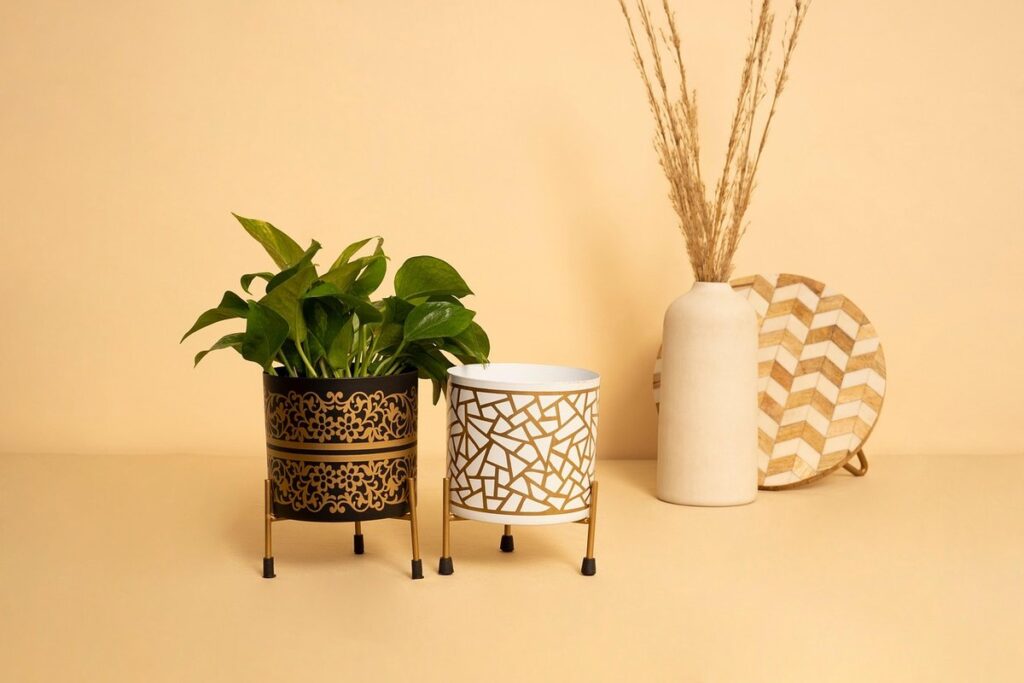
Choosing the Right Self-Watering Planter
When selecting a self-watering planter, it’s essential to consider factors such as plant type, watering frequency, and space constraints to ensure you choose the right one for your needs. This section will guide you through those key considerations.
Types of Self-Watering Planters
When it comes to self-watering planters, you have a variety of options to choose from, each with its own unique features and benefits. One popular type is plastic self-watering planters, which are often lightweight, affordable, and easy to clean. They’re also great for indoor plants that don’t require a lot of water.
Another option is ceramic self-watering planters, which offer a more traditional and aesthetically pleasing look. Ceramic planters tend to be heavier than plastic ones, but they can also help regulate soil temperature and add a touch of elegance to your space. Some ceramic planters even come with built-in sensors that monitor the moisture levels in the soil.
If you’re looking for something more high-tech, consider smart self-watering planters. These innovative planters often come equipped with Wi-Fi connectivity, allowing you to track and adjust watering schedules remotely using a smartphone app. This is perfect for busy gardeners who want to ensure their plants are always watered on schedule, no matter where they are.
Regardless of the material or features, self-watering planters can greatly reduce the risk of over- or under-watering your plants. By choosing the right type of planter for your needs, you can create a thriving indoor garden that requires minimal maintenance and care.
Understanding Capacity and Size
When it comes to selecting a self-watering planter, understanding its capacity and size is crucial to ensure you’re getting a product that meets your needs. Capacity is typically measured in liters or gallons, so be sure to check the manufacturer’s specifications before making a purchase.
As a general rule of thumb, consider how many plants you want to water at once. If you have a small herb garden or a few indoor plants, a smaller capacity planter (around 5-10 liters) might suffice. However, if you’re planning to grow multiple vegetables or large potted plants, look for a planter with a higher capacity (20-50 gallons).
Don’t forget to consider the size of your space and the planter itself. A larger planter may take up valuable real estate in your garden or indoor space, so think about how it will fit in with your existing layout.
In terms of material, consider factors like durability, weight, and maintenance requirements when choosing a self-watering planter. For example, ceramic planters are often more heavy-duty than plastic ones but may require more frequent cleaning.
Additional Features to Consider
When selecting a self-watering planter, you may come across various features that can enhance its functionality and efficiency. One such feature is built-in sensors, which monitor the soil moisture levels and alert you when it’s time to water your plants. These sensors are often integrated into the planter’s pot or reservoir and can be linked to a mobile app, allowing you to track your plant’s needs remotely.
Another valuable feature is moisture level indicators, usually in the form of color-coded rings or gauges that show the soil’s water content. These visual cues enable you to assess the plant’s condition without needing to lift the pot or inspect the reservoir closely.
Some self-watering planters also come equipped with maintenance alerts, which notify you when it’s time to clean the planter, replace the water reservoir, or repot the plant. This feature can be particularly beneficial for busy gardeners who want to ensure their plants receive optimal care without having to constantly check on them. By considering these additional features, you can take your self-watering planter care to the next level and enjoy healthier, more thriving plants.
Plant Selection and Placement
Choosing the right plants for self-watering planters is crucial, so let’s dive into selecting the perfect species that thrive in these unique conditions.
Selecting the Right Plants
When it comes to selecting plants for self-watering planters, it’s essential to consider their specific needs and characteristics. This means choosing plants that thrive in conditions where water is readily available, but also paying attention to other factors like light requirements and temperature tolerance.
Start by considering the type of plant you want to use. Succulents and cacti are ideal choices for self-watering planters as they’re adapted to store water in their leaves or stems. These plants can survive with minimal watering and can tolerate a range of temperatures, making them perfect for busy people or those new to plant parenthood.
Other factors to consider include light requirements and temperature tolerance. Some plants prefer bright, indirect light, while others can thrive in low-light conditions. Make sure to choose plants that match the lighting conditions in your home or office. Temperature-wise, most self-watering planter inhabitants prefer temperatures between 65-75°F (18-24°C). Avoid placing sensitive plants near heating vents or drafty windows.
Some popular self-watering friendly plant options include aloe vera, agave, and echeveria. By choosing the right plant for your self-watering planter, you’ll be well on your way to creating a thriving indoor garden with minimal maintenance requirements.
Factors to Consider When Placing Self-Watering Planters
When placing self-watering planters, it’s essential to consider several factors that will ensure optimal performance and healthy plant growth. First and foremost, think about the amount of sunlight your plants require. Most houseplants prefer bright, indirect light, but some can tolerate full sun or low light conditions. Make sure to choose a location that provides the right amount of sunlight for your specific plant species.
Another crucial factor is temperature. Self-watering planters are designed to regulate moisture levels, but extreme temperatures can still affect plant growth. Avoid placing them near heating vents, fireplaces, or drafty windows, as this can cause stress and damage to the plants. Conversely, if you live in a hot climate, consider placing your self-watering planters in a shaded area to prevent overheating.
In addition to sunlight and temperature, humidity levels also play a significant role in maintaining healthy plants. If your home is particularly dry or humid, choose a location that balances these conditions for optimal plant growth. Finally, proximity to water sources is a practical consideration. Place self-watering planters near a sink or kitchen area to make maintenance easy and convenient. By considering these factors, you can create an ideal environment for your plants to thrive in self-watering planters.
Maintenance and Care Tips
To keep your self-watering planters thriving, it’s essential to follow some regular maintenance tips that will help prevent clogs and promote healthy growth. Next, we’ll cover these key care habits.
Monitoring Moisture Levels
Monitoring moisture levels in self-watering planters is crucial to ensure that your plants receive the right amount of water. To do this, start by checking the water reservoir. Look for a small window or gauge that indicates the level of water in the reservoir. This will give you an idea of how much water your plant has available.
Check the reservoir regularly, ideally once a week, to ensure it’s not too full or too empty. If the level is low, top it up with distilled or tap water. Make sure not to overfill the reservoir, as this can lead to overwatering and root rot.
As you check the reservoir, also inspect the soil moisture by sticking your finger into the soil up to the first knuckle. If the soil feels dry, it’s time to water. If it’s already moist, wait a few more days before checking again.
Remember that different plants have varying watering needs, so be sure to research your specific plant’s requirements. With regular monitoring and adjustments, you’ll be able to provide your self-watering planter with the perfect balance of moisture.
Avoiding Overwatering
When using self-watering planters, it’s easy to fall into common watering mistakes. One of the most significant errors is neglecting to check for dry soil. Even with a built-in water reservoir, plants still need some moisture from time to time. If you don’t regularly inspect your plant’s soil, you might overwater due to excess water in the reservoir or underwater due to insufficient water.
Another common mistake is failing to adjust watering schedules as the seasons change. In warmer months, plants tend to dry out faster than during cooler months. Conversely, in winter, plants may require less water due to reduced transpiration rates. Neglecting to make these adjustments can lead to overwatering or underwatering issues.
To avoid these mistakes, check your plant’s soil every week by sticking your finger into the soil up to the knuckle. If the soil feels dry, it’s time to water. Also, be sure to adjust your watering schedule based on seasonal changes and environmental factors such as temperature and humidity levels.
Tips for Cleaning and Maintaining Planters
To keep your self-watering planters in top condition, it’s essential to maintain them regularly. Cleaning and descaling are crucial tasks that will prevent mineral buildup and bacterial growth. Start by rinsing the planter with warm water to remove any debris or dust.
Next, mix a solution of equal parts water and white vinegar in the reservoir. Allow this mixture to sit for 30 minutes before draining it out completely. This will help break down any tough stains and mineral deposits.
For more severe cases, you can use a descaling solution specifically designed for self-watering planters. Follow the manufacturer’s instructions carefully to avoid damaging the internal components. Regularly sanitizing your planter with a mild soap solution or a 1:10 ratio of bleach to water will also help eliminate bacteria and fungi.
Remember to inspect your planter regularly, checking for any signs of wear or damage. Addressing these issues promptly will ensure your self-watering planter continues to function efficiently and effectively.
Troubleshooting Common Issues
Don’t worry, we’ve all been there – even with self-watering planters, things don’t always go as planned. This section will help you troubleshoot common issues and get your plants back on track.
Dealing with Overwatering Problems
Overwatering is one of the most common mistakes people make when using self-watering planters. While these planters are designed to conserve water, they can still be prone to overwatering if not monitored properly. When the soil in a self-watering planter becomes waterlogged, it creates an ideal environment for root rot and mold growth.
Root rot is a serious issue that can kill your plants quickly. It occurs when the roots of the plant start to decay due to excessive moisture. Symptoms include yellowing leaves, soft or mushy stems, and a foul odor from the soil. To prevent root rot, make sure to check the water level regularly and avoid getting water on the leaves or crown of the plant.
Mold growth is another problem that can arise from overwatering. It appears as white or greenish patches on the surface of the soil and can spread quickly if not addressed. To correct mold growth, remove any affected areas and repot your plant in fresh, well-draining potting mix. Going forward, be more mindful of watering schedules and make sure to use a planter with good drainage holes.
Regular inspection is key to preventing overwatering problems. Check the soil moisture by sticking your finger into the soil up to the first knuckle. If it feels damp or wet, wait another day before watering again. This simple habit can save you from dealing with root rot and mold growth in the long run.
Addressing Underwatering Concerns
Identifying underwatering problems in self-watering planters can be more nuanced than expected. Since these planters are designed to retain water and regulate it according to the plant’s needs, it may seem counterintuitive that they can suffer from underwatering issues. However, this problem often arises due to incorrect planter capacity or infrequent watering schedule adjustments.
To identify underwatering concerns in your self-watering planter, monitor your plants closely for signs of drought stress such as wrinkled leaves, droopy stems, and reduced growth rates. You may also notice a significant drop in the water level within the planter over an extended period.
If you suspect your plant is suffering from underwatering issues, consider adjusting the planter’s capacity or fine-tuning your watering schedule to ensure it meets the plant’s needs. For instance, if you have a busy schedule and often forget to check the water levels, consider installing a moisture sensor that alerts you when the water level drops below a certain threshold. This can help prevent underwatering problems and maintain optimal hydration for your plants.
Fixing Planter Malfunctions
If you’re experiencing issues with your self-watering planter, it’s essential to identify and address the problem promptly. One common malfunction is a faulty sensor that fails to detect water levels accurately. In such cases, check if the sensor is properly calibrated or if there are any blockages in the sensing area.
Another common issue is a leaky reservoir, which can waste water and cause the planter’s performance to decline. To fix this problem, inspect the reservoir for any cracks or damage. If you find any issues, replace the affected part promptly. Regular maintenance is crucial to prevent such malfunctions from occurring in the future.
Additionally, ensure that the self-watering mechanism is functioning correctly by checking if the water is flowing freely into the roots of the plant. Also, keep an eye on your plant’s watering schedule and adjust it as needed based on weather conditions or seasonal changes. By performing routine checks and addressing any issues promptly, you can enjoy a healthy and thriving plant in your self-watering planter.
Advanced Features and Technologies
Take your self-watering planter care to the next level by exploring advanced features like precision moisture sensors, automatic water pumps, and smart plant monitoring systems. These innovative technologies simplify and enhance your plant’s care routine.
Smart Planters and Sensor Technology
Smart planters and sensor technology have revolutionized the way we care for our plants. By integrating advanced features into self-watering systems, these innovative tools make it easier than ever to keep your plants happy and healthy.
One of the main benefits of smart planters is real-time monitoring. With some smart planters, you can track the soil moisture levels, temperature, and even light exposure on your phone or computer. This allows you to catch any issues before they become severe, ensuring your plants receive exactly what they need when they need it.
Some smart planters also come equipped with sensors that alert you to potential problems. For example, if the soil becomes too dry, a sensor will send an alert to your phone, reminding you to water your plants. This feature is especially useful for busy people or those who tend to forget to check on their plants regularly.
To get started with smart planters and sensor technology, consider investing in a planter that integrates with popular home automation systems like Amazon Alexa or Google Home. This will allow you to monitor and control your self-watering system remotely, making it easier than ever to provide the best care for your plants.
Automatic Watering Systems
If you’re looking for an effortless way to care for your self-watering plants, consider investing in an automatic watering system. These innovative systems can be integrated into your planter and provide precise control over water levels, ensuring that your plants receive the perfect amount of moisture at all times.
Automatic watering systems work by monitoring the soil’s moisture levels and triggering the release of water only when needed. This not only saves time but also reduces the risk of overwatering or underwatering, which can be detrimental to plant health.
Some advanced self-watering planters come equipped with built-in sensors that detect changes in soil moisture, temperature, and light exposure. These sensors send signals to a central control unit, which then regulates water flow accordingly. This intelligent system can learn your plant’s specific needs over time, providing optimal care with minimal effort required from you.
When choosing an automatic watering system for your self-watering planter, look for one that is adjustable and customizable to accommodate different types of plants. By incorporating this advanced feature into your care routine, you’ll be able to enjoy healthy, thriving plants without the hassle of frequent watering.
Conclusion
Now that you’ve learned the ins and outs of self-watering planter care, let’s summarize the key takeaways to reinforce your newfound knowledge.
Recap Key Points for Effective Self-Watering Planter Care
To ensure that you’re getting the most out of your self-watering planter, let’s recap some key points from our comprehensive guide. When choosing the right planter, keep in mind that size and material are crucial considerations. A larger planter will require more frequent watering, while a smaller one may need less. Materials such as ceramic or terracotta can dry out quickly if not monitored properly.
When selecting suitable plants for your self-watering planter, choose species that thrive in the desired conditions – be it low-maintenance succulents or lush ferns. Avoid plants with deep taproots, like carrots and parsnips, as they may not adapt well to the self-watering system.
Regular maintenance is also vital. Ensure that the water reservoir isn’t clogged by debris, and clean the planter’s surface periodically to prevent the buildup of algae and bacteria. Additionally, inspect your plants regularly for signs of overwatering or underwatering. By following these guidelines and remaining vigilant, you’ll be able to enjoy healthy, thriving plants in your self-watering planter.
Encouraging Further Exploration and Experimentation
As you’ve mastered the basics of self-watering planter care, it’s time to take your knowledge to the next level. Encourage yourself to continue exploring and experimenting with new features and technologies that can enhance your planters’ performance.
One exciting area to investigate is smart watering systems. These innovative devices use sensors to monitor soil moisture levels and adjust irrigation schedules accordingly. For instance, the FloWater Smart Garden planter uses a built-in sensor to detect when plants need water, ensuring they receive just the right amount. By incorporating such technology into your setup, you’ll enjoy more efficient watering practices that conserve resources.
Consider exploring other related topics in horticulture as well. Learning about aeroponics or hydroponics can help you create an even more optimized growing environment for your plants. Perhaps you’d like to dabble in plant breeding or experiment with different varieties? Whatever path you choose, remember that continuous learning and experimentation will keep your self-watering planter care skills sharp and up-to-date.
Take the opportunity to share your findings and experiences on social media platforms or online forums, where you can connect with fellow enthusiasts and gain valuable insights.
Frequently Asked Questions
Can I use self-watering planters outdoors, or are they strictly for indoor plants?
While self-watering planters can be used indoors, many of them are designed specifically for indoor plants. However, some models are suitable for outdoor use and come with additional features such as UV resistance and waterproof materials. Before using a planter outdoors, check its specifications to ensure it can withstand the elements.
How often should I replace my self-watering planter’s water reservoir?
The frequency of replacing the water reservoir depends on usage and plant requirements. As a general rule, aim to change the water every 1-3 months or when the water level is consistently below half. Regularly cleaning and maintaining your planter can help prevent the buildup of bacteria and extend the life of your water reservoir.
Can I use self-watering planters with plants that have high watering requirements?
Yes, but you’ll need to select a planter designed for large or thirsty plants. Look for models with increased capacity, larger water reservoirs, or specialized features like dual-chamber systems. These designs allow for more efficient watering and can handle the needs of high-water-demanding plants.
How do I troubleshoot common issues with my self-watering planter?
Start by checking the plant’s condition, ensuring it’s not suffering from over- or underwatering. Next, inspect the planter itself, looking for blockages, clogs, or other mechanical issues that might be causing problems. Consult your manufacturer’s guide and online resources for specific troubleshooting advice tailored to your planter model.
Can I customize my self-watering planter with additional features or accessories?
Yes, many self-watering planters are designed to accommodate customization with add-on features such as smart sensors, automated watering systems, or specialized grow media. Research the compatibility of these accessories with your specific planter and follow manufacturer guidelines for installation and integration.