
Roses are often considered the ultimate symbol of love and beauty, but an unwanted guest can quickly turn your garden into a disaster. Aphids on roses can be a real nuisance, sucking sap from leaves and stems, and causing curled or distorted growth. If left unchecked, these tiny pests can multiply rapidly, leading to weakened plants that are more susceptible to disease. But don’t worry, there’s hope! In this article, we’ll explore effective DIY methods for controlling aphid infestations on roses, including the use of neem oil and insecticidal soap. We’ll also share valuable prevention tips and long-term strategies for maintaining a healthy rose garden. Whether you’re a seasoned gardener or just starting out, these practical tips will help you keep your roses thriving and looking their best.
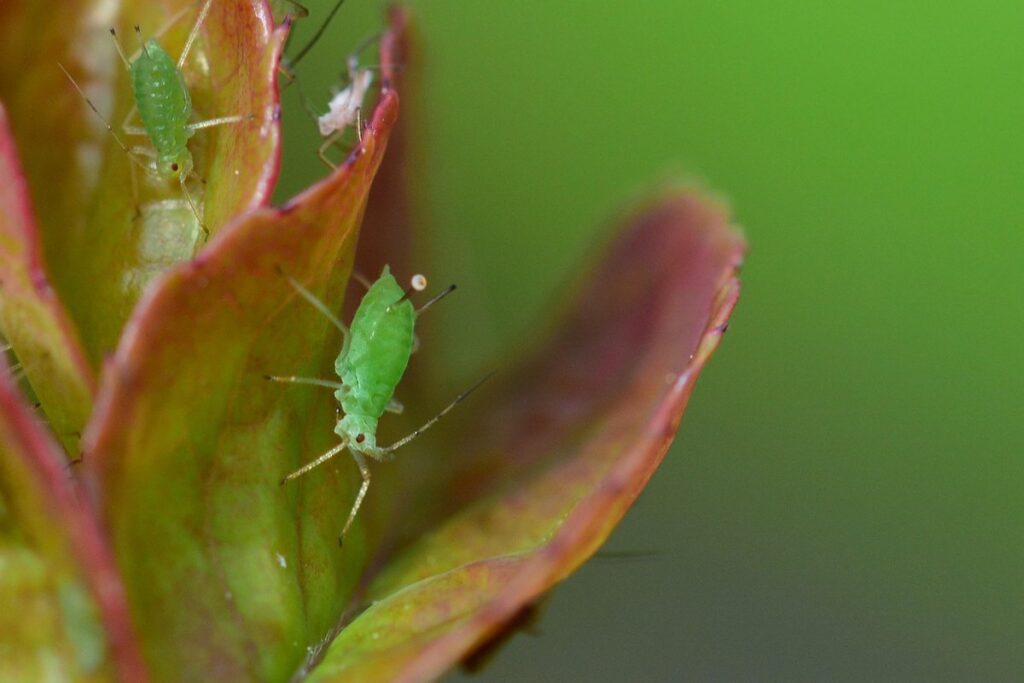
Understanding Aphid Infestations on Roses
Aphids on roses can be a frustrating problem, but understanding what causes infestations is key to effective control. Let’s explore why these pesky insects target our beautiful rose bushes.
What Are Aphids?
Aphids are small, soft-bodied insects that feed on the sap of plants, including roses. They’re one of the most common garden pests, and rose gardeners often find themselves dealing with infestations at some point. Aphid life cycles typically last around 2-4 weeks in warm weather, but can be extended in cooler conditions.
Aphids reproduce quickly, with females able to give birth to live young without mating. This ability allows aphid populations to rapidly increase and become a major problem for gardeners. Female aphids can produce multiple generations within a single growing season, leading to an overwhelming infestation if left uncontrolled.
To understand why aphids are such a common issue, it’s essential to consider their adaptability and the environmental conditions they thrive in. Aphids feed on plant sap, which provides them with the necessary nutrients for growth and reproduction. They also excrete a sticky substance called honeydew, which attracts ants and promotes the growth of sooty mold on plants.
Identifying Aphid Infestations
Identifying aphid infestations on roses can be a bit tricky, but there are some telltale signs to look out for. First and foremost, check for yellowing leaves – this is often the first sign of an aphid infestation. However, it’s not always easy to determine whether the yellowing is caused by aphids or another factor like nutrient deficiency.
Another key indicator is curled or distorted foliage. Aphids secrete a sticky substance called honeydew as they feed on your rose’s sap, which can attract other pests and promote fungal growth. Keep an eye out for these droplets, which are often shiny and sticky to the touch. If you notice any of these signs, it’s essential to inspect your plant more closely.
To confirm whether you have an aphid infestation, gently brush off some of the leaves or stems with a soft-bristled brush or a cotton swab. This will help dislodge any aphids that might be hiding on the underside of the leaves. If you see live aphids or eggs (which look like small, white specks), it’s time to take action and start treating your rose for aphids.
Causes and Contributing Factors
Let’s take a closer look at what might be causing those pesky aphids on your roses, and explore some of the common factors that contribute to infestations.
Weather Conditions
Weather conditions play a significant role in determining aphid populations on roses. Temperature fluctuations can either suppress or encourage aphid growth, depending on the range. For instance, temperatures above 75°F (24°C) can trigger an increase in aphid reproduction rates, while temperatures below 50°F (10°C) can slow them down.
Humidity also affects aphid populations, as they thrive in moist environments with relative humidity levels above 60%. However, prolonged periods of high humidity can lead to the development of fungal diseases that are detrimental to rose plants. On the other hand, dry conditions can weaken the plant’s defenses against aphids, making them more susceptible.
Precipitation patterns also have an impact on aphid populations. Heavy rainfall or irrigation can wash away natural predators and parasites that help control aphid populations. This can create a temporary imbalance in favor of the aphids, allowing their numbers to surge before they are brought back under control by beneficial insects.
Poor Rose Care Practices
Many rose gardeners unknowingly contribute to aphid infestations by making common mistakes when caring for their roses. Over-fertilization is one such error, as excessive nitrogen can cause weak, succulent growth that’s attractive to aphids. These pests thrive on the tender shoots and leaves of over-fed plants, which are more susceptible to infestation.
Inadequate pruning is another poor rose care practice that invites aphids into your garden. Pruning is essential for maintaining a healthy balance between foliage and blooms, but neglecting this task can lead to dense growth that fosters aphid populations. Regular pruning helps remove diseased or damaged areas, reducing the risk of infestation.
Another critical aspect of rose care often overlooked is pest management. Simply spraying chemicals on an as-needed basis is not enough; a comprehensive approach involves monitoring for pests regularly and implementing preventative measures, such as introducing beneficial insects like ladybugs and lacewings to your garden ecosystem. By avoiding these common mistakes and adopting best practices in rose care, you can significantly reduce the likelihood of aphid infestations.
DIY Aphid Control Methods for Roses
If you’re tired of using chemical pesticides, you’ll love these easy and effective DIY methods to control aphids on your rose plants without harming the environment. We’ve got the solutions you need!
Neem Oil and Insecticidal Soap
When it comes to controlling aphid populations on roses, two popular DIY methods involve using neem oil and insecticidal soap. Both of these natural pesticides are effective against aphids and can be used separately or in combination with other control methods.
Neem oil is extracted from the seeds of the neem tree and contains a compound called azadirachtin that disrupts aphid reproduction and metabolism. To use neem oil on your roses, mix 2-4 tablespoons per gallon of water and spray it on the plants when they’re in full sun. Make sure to repeat this process every 7-10 days for optimal results.
Insecticidal soap, on the other hand, works by breaking down the aphid’s exoskeleton, causing them to dehydrate and die. Mix 2-3 tablespoons of insecticidal soap per gallon of water and spray it on the affected areas. Be cautious not to spray during peak sunlight hours or when plants are under stress.
Remember to always read and follow the label instructions for both neem oil and insecticidal soap, and take necessary safety precautions such as wearing gloves and protective eyewear.
Horticultural Oils and Pyrethrin Sprays
If you’re looking for an alternative to neem oil or insecticidal soap for controlling aphid populations on roses, consider using horticultural oils or pyrethrin sprays. Horticultural oils are petroleum-based products that suffocate aphids and other soft-bodied pests by clogging their respiratory systems.
When selecting a horticultural oil, make sure to choose one that is specifically labeled for use on flowers and roses. Some common types of horticultural oils include: sulfur-based, neem oil-based, and wintergreen oil-based products. These oils can be applied at various times during the growing season to control aphid populations.
Pyrethrin sprays are another effective option for controlling aphids on roses. Pyrethrins are a class of natural insecticides derived from the flowers of the pyrethrum daisy. They are highly toxic to insects, but relatively safe for humans and pets when used as directed.
When using pyrethrin sprays, be sure to read the label carefully and follow all instructions. You can spray these products directly on infested areas or apply them to the entire plant for broader coverage.
Integrated Pest Management (IPM) Strategies
Effective aphid control on roses involves a multi-faceted approach, which is where integrated pest management strategies come into play. Let’s explore these techniques together!
Encouraging Beneficial Insects
Creating a balanced ecosystem in your garden is key to controlling aphid populations. This can be achieved by attracting beneficial insects that prey on these pesky pests. Ladybugs and lacewings are two of the most effective predators of aphids, making them perfect additions to your rose garden.
To attract ladybugs, provide them with a source of water and shelter in the form of rocks or a nearby pond. These beetles are also drawn to certain flowers such as marigolds and dill, so consider planting these in your garden. Lacewings, on the other hand, are attracted to yellow and white blooms like sunflowers and yarrow.
By incorporating plants that attract beneficial insects into your rose garden, you can create a thriving ecosystem where aphids have fewer opportunities to thrive. This approach not only reduces chemical use but also promotes biodiversity in your garden. By following these simple tips, you’ll be on your way to creating an aphid-free haven for your roses to bloom in harmony with nature’s pest control agents.
Physical Barriers and Traps
When it comes to controlling aphid populations on roses, using physical barriers can be an effective and non-chemical method. One of the simplest ways to use physical barriers is by covering plants with fine mesh. This allows air and light to reach the leaves while keeping aphids out. You can purchase or make your own fine mesh covers, which are usually available in various sizes.
Another option for controlling aphid populations is using sticky traps. These traps work on a simple principle – aphids get stuck to them, preventing them from reaching the plant. Place the sticky traps near affected areas, and replace them regularly to ensure their effectiveness. Remember that these traps may also catch beneficial insects, so place them strategically to avoid harming other beneficial organisms.
It’s essential to note that physical barriers are most effective when used in combination with other IPM strategies, such as introducing natural predators or using neem oil sprays. By combining multiple methods, you can create a comprehensive plan for controlling aphid populations on your roses and promoting healthy plant growth.
Prevention and Maintenance
To keep aphids from coming back, let’s cover some essential prevention methods that’ll help you maintain a healthy, pest-free rose garden. Regular maintenance is key to preventing infestations from taking hold.
Regular Inspections and Pruning
Regular inspections of your roses are crucial for early detection of aphids. These tiny insects can quickly multiply and cause significant damage to your plants if left unchecked. To prevent infestations, make it a habit to inspect your roses at least once a week during the growing season.
Look for signs of aphid activity such as curled or distorted leaves, sticky honeydew droplets on stems and leaves, and actual aphids themselves. Check the undersides of leaves and stems, where aphids often hide. Be thorough in your inspection to catch any potential issues before they become severe.
Pruning can also play a role in preventing infestations. Regular pruning helps maintain a healthy plant structure, making it less appealing to aphids. Remove any dead or diseased branches to prevent the spread of disease and encourage new growth. Prune plants in early spring, just as new growth begins, to promote vigorous production of fresh leaves and flowers.
Consider pruning your rose bushes to create an open center design, which allows for better air circulation and reduces humidity – a key factor that attracts aphids. This approach can significantly reduce the risk of infestation.
Healthy Rose Care Habits
Proper watering is essential for maintaining healthy roses. Overwatering can lead to weak and vulnerable plants that are more susceptible to aphid infestations. Make sure to check the soil moisture by sticking your finger into the soil up to the first knuckle, and water only when it feels dry.
A balanced fertilizer should be applied during the growing season, ideally once a month. This will promote healthy growth and development of the plant, making it more resistant to pests. Choose an organic or slow-release fertilizer that is specifically formulated for roses, as these tend to have fewer harsh chemicals and provide a steady supply of nutrients.
Regular pruning is also crucial in maintaining healthy rose plants. Remove any dead or damaged branches, which can be attractive to aphids and other pests. This will help promote air circulation and prevent moisture from collecting on the leaves, reducing the risk of infestation.
By adopting these long-term strategies, you’ll create an environment that discourages aphid populations and supports the overall health and resilience of your rose plants.
Frequently Asked Questions
Can I use neem oil on rose bushes that are heavily infested with aphids?
Yes, neem oil is a safe and effective way to control aphid infestations on roses. It disrupts the aphid’s life cycle by preventing them from reproducing and eventually killing them off. However, always follow the label instructions for application rates and timing to ensure you’re using it correctly.
What if I’ve already pruned my rose bushes recently – can I still use neem oil?
Yes! Neem oil can be used on newly pruned rose bushes without any issues. In fact, pruning can make your roses more susceptible to aphid infestations, so applying neem oil after pruning can help prevent further damage.
How long does it take for neem oil and insecticidal soap to start working?
Neem oil and insecticidal soap typically start showing results within 2-5 days of application. However, it’s essential to repeat the treatment as directed on the label to ensure you’re controlling the entire aphid population.
Can I use horticultural oils or pyrethrin sprays on rose bushes with delicate petals?
While horticultural oils and pyrethrin sprays can be effective against aphids, they might not be suitable for rose bushes with delicate petals. These products can cause damage to the petals, so it’s best to stick with neem oil or insecticidal soap for more gentle control.
How often should I inspect my rose bushes for signs of aphid infestations?
Regular inspections are crucial in preventing and controlling aphid infestations. Check your rose bushes every 7-10 days during peak growing seasons, looking for curled or distorted leaves, sticky honeydew droplets, and actual aphids on the plant.