
Growing your own garlic bulbs can be a rewarding experience, providing you with fresh flavor for your cooking and a sense of accomplishment in your garden. But, let’s face it: growing garlic isn’t always easy. The process requires careful planning, attention to detail, and knowledge of the right techniques. In this article, we’ll walk you through everything you need to know to grow successful garlic bulbs, from choosing the right variety for your climate to preparing the soil, fertilizing, and managing pests. We’ll also share expert tips on harvesting and storing your crop, so you can enjoy its delicious flavor all year round. Whether you’re a seasoned gardener or just starting out, our guide will provide you with the confidence and know-how to grow garlic bulbs like a pro.
Choosing the Right Variety and Supplies
When it comes to growing garlic, selecting the right variety for your climate and desired harvest is crucial. This section will help you choose a suitable variety and gather all the necessary supplies.
Understanding Garlic Varieties
When it comes to growing garlic from bulblets, understanding the different varieties is crucial for success. There are three main types of garlic: soft-neck, hard-neck, and elephant. Each has its own unique characteristics, which will determine how well they grow in your specific climate.
Soft-neck garlic is the most common type and is known for its ease of growth. It’s a great choice for beginners because it can thrive in a wide range of climates and requires minimal maintenance. However, it may not store as well as other varieties and can be more susceptible to disease.
Hard-neck garlic, on the other hand, is ideal for areas with cooler winters. It forms a central stem that hardens into a “neck,” which makes it easier to harvest. Hard-neck garlic also has a stronger flavor profile than soft-neck garlic and tends to store better.
Elephant garlic is another popular variety, known for its large cloves and mild flavor. It prefers warmer climates and well-drained soil. Regardless of the type you choose, make sure to select high-quality bulbs from a reputable supplier to ensure optimal growth and flavor.
Essential Tools and Equipment Needed
To successfully grow garlic bulbs, you’ll need some essential tools and equipment to make the process easier and more efficient. First and foremost, protect your hands with a good pair of gardening gloves. This will not only shield your skin from thorns and dirt but also prevent any potential irritation caused by handling the plant.
A garden fork is another crucial tool for cultivating garlic. It allows you to gently loosen the soil without damaging the bulbs or disrupting their growth pattern. Make sure to choose a fork with long, sturdy tines that can penetrate deep into the ground.
You’ll also need a watering can specifically designed for gardening. This will ensure that your plants receive the right amount of moisture while preventing overwatering – a common mistake many gardeners make when growing garlic. Aim for a can with a long spout and a comfortable handle, making it easy to maneuver around your garden bed.
Regularly inspect your bulbs and use these tools to maintain their health throughout the growth cycle.
Selecting Healthy Garlic Bulbs
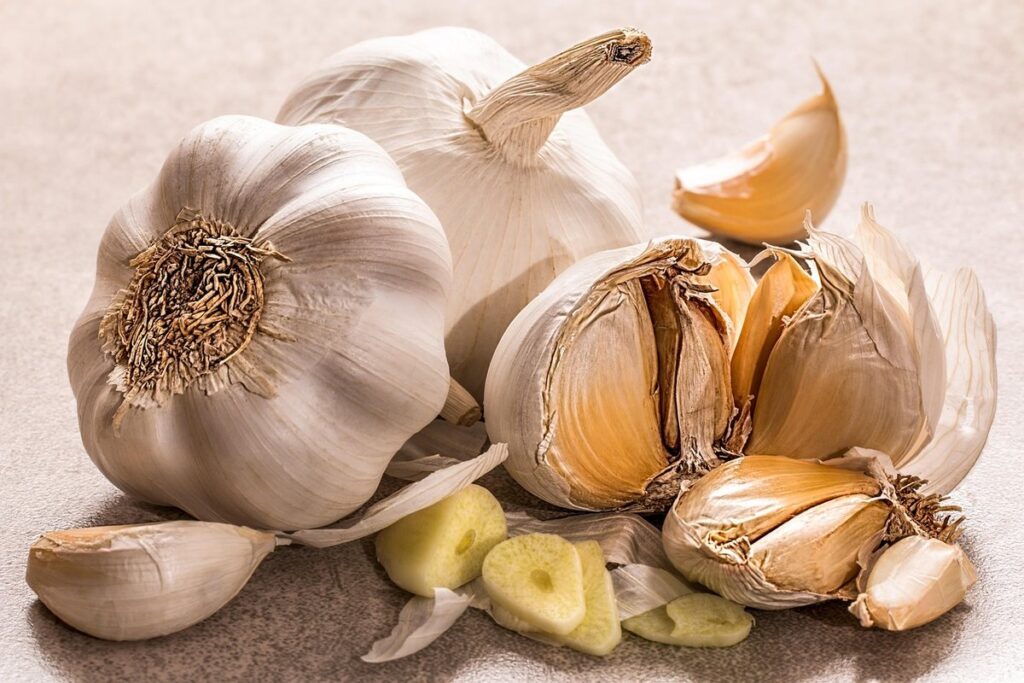
When it comes to growing garlic from bulbs, selecting healthy ones is crucial for successful cultivation. To choose the right bulbs, look for those with firm, compact heads and a strong, pungent aroma. Avoid soft, shriveled, or moldy bulbs as they are more likely to rot in storage.
Proper storage of garlic bulbs is also essential. Store them in a cool, dry place with good ventilation, such as a mesh bag or paper bag, away from direct sunlight and moisture. Do not store garlic near potatoes, as the two share a similar susceptibility to moisture-related diseases. Keep the bags loosely tied to allow air circulation.
When handling garlic bulbs, make sure to handle them gently to avoid damaging the delicate clove skin. Remove any damaged or rotten cloves to prevent the spread of disease within the bulb. Store only the best quality bulbs in your planting area, and set aside any smaller or lower-quality ones for cooking purposes. This will ensure that you have the healthiest garlic plants possible, giving you a strong foundation for a successful harvest.
Preparing the Soil and Climate
Before you start growing garlic bulblets, it’s essential to prepare your soil and climate for optimal growth. This means creating a conducive environment that will help them thrive from day one.
Soil Requirements for Growing Garlic
When growing garlic bulbs, the soil requirements are just as crucial as providing adequate sunlight and water. To grow healthy garlic, you’ll want to ensure that your soil has a pH between 6.0 and 7.0, which is slightly acidic to neutral. This pH range allows for optimal nutrient availability and root growth.
Garlic requires a balanced diet of nutrients, particularly nitrogen (N), phosphorus (P), and potassium (K). These macronutrients are essential for bulb formation, leaf growth, and overall plant health. You can test your soil to determine its nutrient levels and adjust accordingly. For example, if your soil is deficient in nitrogen, you can add compost or well-rotted manure to enrich it.
Poor soil conditions can lead to a range of issues, including slow growth, weak bulbs, and increased susceptibility to pests and diseases. To avoid these problems, ensure your soil has good drainage, adequate organic matter, and sufficient aeration. Avoid over-tilling or compacting the soil, as this can damage roots and disrupt nutrient uptake.
In regions with high water tables or heavy rainfall, garlic may be prone to root rot. In such cases, consider raising the bed or planting on a mound to improve drainage.
Climate Considerations for Garlic Growth
When growing garlic bulbs, understanding the climate considerations is crucial to ensure optimal growth and minimize potential risks. Temperature plays a significant role in this process.
Optimal temperature ranges vary for different stages of garlic growth. For example, when planted, garlic prefers temperatures between 40°F (4°C) and 75°F (24°C). As it grows, temperatures between 55°F (13°C) and 65°F (18°C) are ideal. However, once the bulbs begin to form, temperatures should be kept above 60°F (15°C).
Frost tolerance is another critical aspect to consider. Garlic can tolerate some frost but prolonged exposure to cold temperatures can damage or kill the crop. In regions with harsh winters, it’s essential to plant garlic in areas that provide protection from extreme cold or use techniques like mulching and covering.
Considering your region’s climate will also impact your garlic growth. For instance, if you live in a hot and dry area, ensure you provide adequate moisture and shade for the plants. Conversely, in cool and wet climates, be cautious of overwatering and potential rot issues.
Preparing the Garden Bed
To prepare the garden bed for growing garlic bulbs, it’s essential to create a conducive environment that promotes healthy growth and minimizes potential issues. Begin by tilling the soil to a depth of about 8-10 inches, loosening it thoroughly to break up clods and aerate the soil. This will help improve drainage, reduce soil compaction, and allow for better root penetration.
Next, add a 2-inch layer of compost on top of the tilled soil. Compost acts as a natural fertilizer, enriching the soil with essential nutrients that promote healthy plant growth. You can use either store-bought compost or create your own by mixing food scraps, leaves, and other organic materials in a designated area.
After adding compost, spread a 2-3 inch layer of mulch on top to retain moisture, suppress weeds, and regulate soil temperature. Choose a mulch that’s suitable for the climate and soil type in your garden, such as straw or wood chips. By following these steps, you’ll be creating an ideal environment for garlic bulbs to grow, ensuring they receive all the necessary nutrients and support for optimal development.
Planting Garlic Bulbs
Now that you’ve obtained your garlic bulbs, it’s time to get them planted. In this next step, we’ll cover how to plant garlic bulbs successfully.
When to Plant Garlic Bulbs
When it comes to planting garlic bulbs, timing is everything. The ideal time for planting depends on your climate, region, and soil conditions. In general, fall is the best time to plant garlic in most regions, about 6-8 weeks before the ground freezes.
In cooler climates with mild winters, you can plant garlic as early as September or October. This allows the bulbs to establish themselves before winter, giving them a head start on the growing season. For example, in areas like California and Oregon, fall planting is ideal for a spring harvest.
In warmer climates with long winters, it’s best to plant garlic in late winter to early spring, about 4-6 weeks before the last frost date. This allows the bulbs to establish themselves before the heat of summer sets in. Soil conditions also play a crucial role in determining when to plant garlic. Garlic prefers well-draining soil and full sun, so choose a spot that receives plenty of sunlight and has good drainage.
Check your local climate and frost dates to determine the best time for planting garlic in your area. This will ensure that you’re giving your garlic bulbs the best chance to thrive and produce a bountiful harvest.
Planting Depth and Spacing Guidelines
When planting garlic bulbs, it’s essential to get the depth and spacing just right. Planting too deeply can lead to rot and poor growth, while not enough depth may cause the cloves to dry out.
For most varieties of garlic, plant them 2-3 inches deep in well-draining soil, with the pointed end facing upwards. This will give the roots room to grow downwards without hitting any obstacles. However, if you’re planting a soft-neck or artichoke variety, they can be planted slightly deeper at around 3-4 inches.
As for spacing, aim for about 4-6 inches between each plant. This allows for proper air circulation and sunlight penetration, which is crucial for healthy growth. If you’re planting in rows, space them about a foot apart to make harvesting easier.
Remember that these are general guidelines, and specific requirements may vary depending on your climate and soil type. Be sure to check the seed packet or consult with a local gardening expert if you need more tailored advice. By getting the depth and spacing right, you’ll be well on your way to growing robust and flavorful garlic bulbs.
Watering After Planting
After planting garlic bulbs, it’s essential to establish a consistent watering schedule to support their growth. Watering frequency and quantity can vary depending on climate, soil type, and weather conditions.
In general, water the newly planted garlic bulbs when the top 2-3 inches of soil feel dry to the touch. This is usually every 7-10 days during the first few weeks after planting. As the plants grow and mature, you’ll need to increase the frequency to once a week or even twice a week in hot, dry weather.
Aim to provide about 1-2 gallons of water per plant, depending on soil type and depth. Be cautious not to overwater, as this can lead to root rot and other issues. Check the moisture by inserting your finger into the soil up to the knuckle. If it feels dry, it’s time for a drink.
To make watering more efficient, consider using soaker hoses or drip irrigation systems that deliver water directly to the roots of the plants. This will help minimize evaporation and runoff, reducing waste and ensuring the garlic bulbs receive exactly what they need.
Caring for Garlic Plants
Now that you’ve got your garlic bulblets growing, it’s time to focus on keeping them healthy and thriving. This section will cover essential care tips to ensure your plants flourish under your care.
Fertilizing Garlic Plants
Fertilizing garlic plants is an essential part of their care, as it provides them with the necessary nutrients for healthy growth and development. Garlic requires a balanced diet of nitrogen, phosphorus, and potassium to produce robust cloves and strong stalks.
You can use a general-purpose fertilizer or a balanced fertilizer specifically formulated for bulb crops like garlic. These fertilizers typically contain a mix of 10-10-10 (nitrogen-phosphorus-potassium) or 20-20-20 NPK. Some examples include Miracle-Gro Shake ‘n Feed All Purpose Plant Food and Espoma Organic Bloom! Tomato Tone Fertilizer.
When to fertilize garlic plants depends on their growth stage. Young plants benefit from a starter fertilizer with a higher phosphorus content, such as 10-20-10 or 15-30-15 NPK. As the plants mature, switch to a balanced fertilizer with equal nitrogen and phosphorus levels, like 10-10-10 NPK.
For optimal results, apply fertilizers during spring growth (when shoots emerge) and again in late summer before bulb formation starts. Follow the package instructions for application rates and timing, usually about once a month or as needed based on soil type and plant health.
Pest and Disease Management
As you nurture your garlic bulblets, it’s essential to be aware of common pests and diseases that can affect them. Aphids are one of the most prevalent issues, feeding on plant sap and causing curled leaves. Regularly inspect your plants for these tiny, soft-bodied insects, especially during warm weather. To control aphid infestations, use neem oil or insecticidal soap, spraying it directly on affected areas.
Spider mites are another pest that can harm garlic bulblets, especially in dry conditions. These tiny arachnids suck plant sap, causing yellowing leaves and stippling. Look for fine webbing on the undersides of leaves and between stems. Treat spider mite infestations with a strong jet of water or an insecticidal soap solution.
Diseases such as powdery mildew and downy mildew can also impact your garlic plants. These fungal diseases often appear as white, cottony patches or yellowing leaves. To prevent these issues, ensure good air circulation around your plants, avoid overwatering, and use copper-based fungicides if necessary.
To maintain healthy garlic bulblets, adopt a routine of inspecting your plants regularly and addressing any issues promptly.
Pruning and Monitoring Garlic Plants
As your garlic plants grow, it’s essential to prune them regularly to promote healthy development and maximize bulb production. Pruning involves removing old leaves, deadheading flowers, and shaping the plant to direct energy towards the developing bulbs.
Start by cutting off the largest leaves that are no longer actively producing new growth, leaving about two sets of leaves on the top of the plant. This allows sunlight to reach the developing bulbs and encourages air circulation around the foliage. You can also remove any weak or spindly growth to maintain a healthy balance between foliage and bulb development.
Monitor your garlic plants’ health by checking for signs of pests, diseases, and nutrient deficiencies. Keep an eye out for aphids, spider mites, and other pests that can weaken the plant. Regularly inspect the leaves and stems for yellowing or wilting, which may indicate overwatering or underwatering. You can also check the soil pH to ensure it’s within the optimal range of 6.0-7.0 for garlic growth.
Keep your plants well-watered during their growing season, but avoid wateringlogged soil that can lead to root rot and other problems. By pruning regularly and monitoring plant health, you’ll be able to identify potential issues early on and take corrective action to promote healthy growth and maximize bulb production.
Harvesting and Storage
Now that your garlic bulbs have matured, it’s time to carefully harvest them and store them properly to ensure a healthy crop for next year’s growth. This section will guide you through the process of harvesting and storing your garlic.
Signs of Maturity and Readiness for Harvest
As you watch your garlic bulbs grow, it’s essential to recognize the physical signs of maturity and know when to harvest them. A mature garlic bulb is typically ready for harvest 3-4 months after planting, depending on the variety.
Look for a change in color, where the top sets have turned from green to brown or yellowish-brown. This indicates that the bulbs are fully formed and the tops have started to dry out. Check the texture by gently digging around the base of the plant with your fingers; if it feels hard and firm, like a rock, it’s ready.
For soft-neck varieties, harvest when the tops start to yellow or brown and fall over naturally. For harder-neck types, wait until the tops have completely turned brown and fallen over. Be sure not to leave the bulbs in the ground too long, as this can lead to rot and spoilage.
Check on your garlic crop regularly during the 3-4 month period after planting, making a mental note of when you see these physical signs of maturity. This will give you an idea of when it’s time to harvest your mature garlic bulbs for optimal flavor and storage.
How to Harvest Garlic Bulbs Without Damaging Them
When you’re ready to harvest your garlic bulbs, it’s essential to do so carefully to avoid damaging the plants and surrounding soil. To start, wait until the tops of the plants have started to yellow and fall over – this is a sign that the bulbs are mature and dry.
To dig up the garlic without causing damage, begin by loosening the soil around the base of each plant with a fork. This will help you avoid cutting into any of the bulbs with your shovel or digging tool. Next, carefully lift out the entire plant, making sure to get as much of the surrounding soil as possible.
As you handle the garlic plants, take care not to squeeze or crush the bulbs, which can cause them to become misshapen and difficult to store. Use a gentle touch when lifting the plants into baskets or containers, and avoid exposing the bulbs to direct sunlight, which can also cause damage.
Finally, dry the garlic bulbs in a warm, well-ventilated area for 1-2 weeks before storing them in their original location or transferring them to your home storage space.
Storing Garlic Bulbs for Long-Term Use
To ensure that your garlic bulbs remain fresh for an extended period, it’s essential to store them properly. After harvesting, allow the garlic to dry and cure for 2-3 weeks, either by tying the stems together or hanging them upside down in a warm, dry place with good air circulation. This step helps prevent moisture buildup and reduces the risk of mold.
Once cured, carefully trim the tops and roots of each bulb, then gently brush off any loose dirt. Store the garlic bulbs in a cool, dark location with low humidity – an ideal spot would be a pantry or cupboard with a consistent temperature between 40°F to 50°F (4°C to 10°C). You can also store them in paper bags or mesh bags to maintain airflow.
To further extend shelf life, consider storing individual cloves in airtight containers. This method helps prevent moisture and light from affecting the garlic, allowing you to enjoy it for up to 8-10 months. By following these simple steps, you’ll be able to enjoy your homegrown garlic throughout the year.
Frequently Asked Questions
What if I live in a region with poor soil quality, how can I still grow garlic successfully?
You can still grow garlic even in areas with poor soil quality by preparing the garden bed properly. Add organic matter like compost or well-rotted manure to improve drainage and fertility. This will create a more conducive environment for your garlic plants to thrive.
How do I prevent pests and diseases from affecting my garlic crop?
To prevent pests and diseases, maintain good hygiene practices when handling your garlic plants. Inspect them regularly for signs of infestation or disease, and remove any affected plants promptly. Use organic pest control methods like neem oil or soap solution to deter pests.
Can I grow garlic indoors, or is it strictly an outdoor activity?
You can grow garlic indoors using containers with good drainage. This method is ideal for areas with poor climate conditions or limited outdoor space. However, ensure the container provides sufficient light and maintain a consistent temperature between 40°F to 70°F (4°C to 21°C) for optimal growth.
What’s the best way to harvest garlic bulbs without damaging them?
To harvest garlic without damaging it, loosen the soil around the plant with a fork before lifting. Gently brush off excess soil from the bulb and allow it to dry in a cool, shaded area for a few days. This helps prevent moisture buildup that can lead to rot.
Can I store garlic bulbs long-term, or will they eventually go bad?
Yes, garlic bulbs can be stored long-term if kept in a cool, dry place with good ventilation. Avoid storing them near heat sources or direct sunlight, as this can cause the bulbs to sprout prematurely. Store them in paper bags or mesh bags to maintain airflow and prevent moisture buildup.