
If you’re fascinated by birds and want to learn more about creating a haven for them, then this article is just for you. An aviary is essentially an enclosed outdoor or indoor space designed specifically for birds, providing a safe and natural environment for these incredible creatures to thrive. Aviaries have been around for centuries, with the first recorded mention dating back to ancient civilizations in Asia. From conservation efforts to education and bird welfare, aviaries play a crucial role in promoting a deeper understanding and appreciation of our feathered friends. In this article, we’ll delve into the world of aviaries, exploring their history, benefits, types, and design considerations, giving you a comprehensive guide on how to create an amazing space for birds. Whether you’re a seasoned bird enthusiast or just starting out, you won’t want to miss this fascinating journey into the world of aviaries.
Definition and Purpose of an Aviary
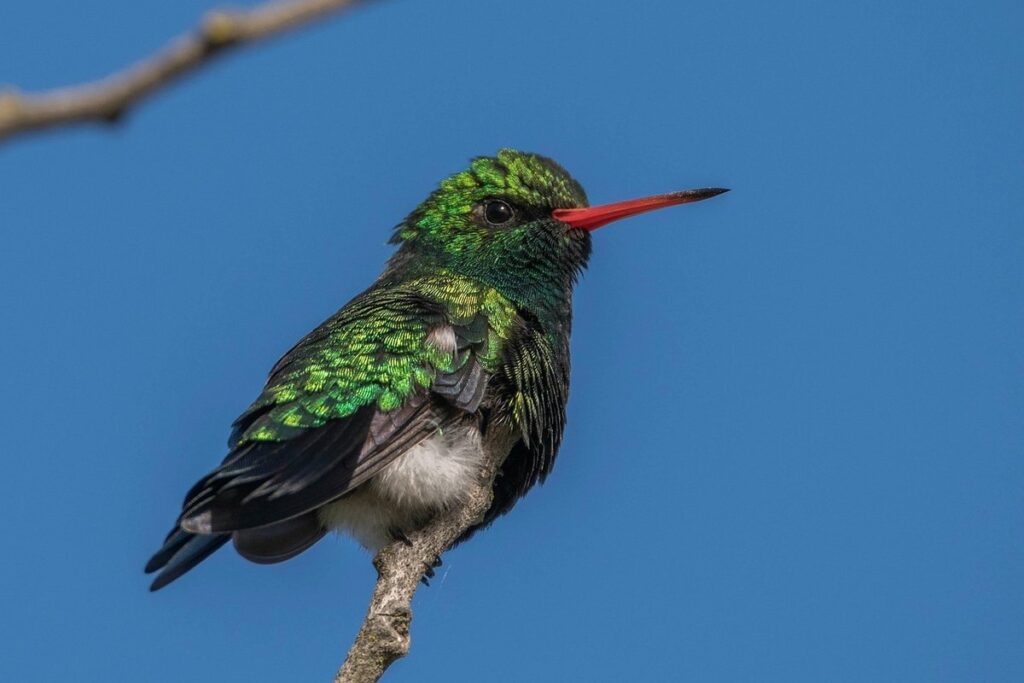
So, you want to know what makes a bird sanctuary an aviary? Let’s start by defining its purpose and scope in more detail.
Brief History of Aviaries
The concept of aviaries dates back to ancient civilizations where people kept birds in enclosed spaces for various purposes. In ancient Greece and Rome, elite families kept private bird collections known as aviarii, which were essentially ornamental gardens featuring birds from exotic lands. These early avian sanctuaries showcased the owner’s wealth and status.
As empires rose and fell throughout history, so did the popularity of keeping birds in captivity. The medieval era saw an increase in private birdkeeping among European aristocrats. These early aviaries often featured elaborate architecture and were used for hunting purposes, as well as ornamental display. In contrast, ancient China’s bird collections focused on breeding rare species for export.
The modern concept of aviaries began to take shape during the Victorian era when the British developed specialized buildings designed specifically for housing birds in captivity. These structures allowed for a more naturalistic environment and enabled enthusiasts to breed and study various species. Today, aviaries continue to evolve with advancements in design, technology, and conservation practices, prioritizing the well-being of both humans and animals.
Types of Aviaries
Aviaries come in various shapes and sizes to cater to different species of birds, personal preferences, and available space. Walk-through aviaries are designed for larger bird collections where visitors can walk through the structure to observe the birds up close. These aviaries typically have multiple levels, providing ample space for flight and social interaction among birds.
Birdhouses or aviary modules are compact and often used in backyard settings or small spaces. They usually consist of a freestanding enclosure housing a few bird species, offering them protection from predators and harsh weather conditions. Birdhouses can be as simple as a wooden box with netting or as elaborate as glass-walled structures.
Enclosed outdoor spaces, such as glass-roofed aviaries or gazebo-style enclosures, are ideal for year-round use. These offer an immersive experience by allowing visitors to observe birds in their naturalistic environment, complete with landscaping and water features. Enclosed outdoor spaces can be designed to accommodate a wide range of bird species, from tropical parrots to songbirds.
When choosing the right aviary type, consider factors such as climate, space constraints, and the specific needs of the bird species you’re keeping.
Benefits of Visiting an Aviary
Visiting an aviary is not just a fun activity for families and nature enthusiasts; it also offers numerous benefits that promote conservation, education, and personal growth. For children, interacting with various bird species can spark their interest in science and the natural world, fostering a sense of curiosity and wonder. Many avian centers offer interactive experiences such as feeding birds by hand or participating in guided tours, which help kids develop empathy for these fascinating creatures.
For adults, aviaries serve as tranquil escapes from the stresses of urban life, providing an opportunity to connect with nature and recharge. Observing different bird behaviors can also be therapeutic, allowing visitors to unwind and clear their minds. Aviaries also play a crucial role in promoting conservation efforts by raising awareness about endangered species, habitat destruction, and the importance of protecting wildlife.
By visiting an aviary, you can gain hands-on experience with various bird species, contribute to conservation efforts, and develop a deeper appreciation for these magnificent creatures.
Characteristics of a Well-Designed Aviary
A well-designed aviary should have certain characteristics that ensure the health and happiness of its feathered residents. Let’s take a closer look at what makes an ideal bird sanctuary.
Habitat Diversity and Naturalistic Environments
When it comes to creating an aviary that truly cares for its feathered residents, habitat diversity and naturalistic environments are crucial components. Birds thrive in environments that mirror their natural habitats, which is why it’s essential to replicate the sights, sounds, and textures of the wild.
A well-designed aviary should incorporate a variety of plants, shrubs, and trees to create a layered landscape. This not only provides birds with an ample food supply but also gives them space to forage, nest, and engage in natural behaviors. Consider incorporating native plant species that are specific to your region, as these will be more appealing to local bird species.
When selecting plants, prioritize those that offer berries, seeds, or fruits, which will provide a constant source of nutrition. You can also create a “beach” area with sand and rocks for birds to bathe in, or incorporate a water feature like a pond or waterfall to provide an essential resource for drinking and bathing.
By creating a diverse environment that simulates the natural world, you’ll not only enhance your birds’ quality of life but also encourage natural behaviors, such as nesting, roosting, and social interaction.
Space and Equipment Requirements
When designing an aviary, it’s essential to consider the space and equipment requirements of its feathered inhabitants. Birds need room to fly, exercise, and engage in natural behaviors like foraging and socializing. A minimum of 2-3 square meters (21-32 square feet) per bird is recommended, but larger enclosures are always better.
Adequate shelter is also crucial to protect birds from harsh weather conditions, predators, and drafts. This can be achieved with a solid roof or netting that allows for UV light penetration. Consider adding visual barriers like plants or decorative screens to create hiding spots and reduce stress.
In terms of equipment, aviaries should include features like perches, nesting boxes, and water and food stations. Install a variety of perch types, such as horizontal and vertical bars, rope, and branches, to accommodate different bird species’ preferences. Also, ensure that the aviary’s design allows for easy cleaning and maintenance.
When planning an aviary, think about the specific needs of the birds you’ll be housing. For example, parrots require a lot of space for flying, while smaller birds like finches are content with less room to roam. By providing adequate space, shelter, and equipment, you can create a thriving environment that meets the physical and psychological needs of your feathered friends.
Safety Features and Maintenance Considerations
A well-designed aviary not only provides a safe and healthy environment for birds but also ensures the safety of humans interacting with it. To achieve this balance, incorporating essential safety features is crucial.
For instance, regular cleaning is vital to maintain hygiene and prevent diseases among both birds and visitors. This involves removing soiled bedding material, disinfecting surfaces, and replenishing food and water supplies on a daily basis. Additionally, installing self-closing doors or latches can prevent accidents when handling heavy bird enclosures or during strong winds.
Bird-proofing materials such as wire mesh or netting are also necessary to prevent birds from escaping or getting injured while flying around the enclosure. Furthermore, using durable and weather-resistant materials for construction ensures that the aviary remains structurally sound and withstands extreme temperatures or weather conditions.
In terms of maintenance, it’s essential to inspect the enclosure regularly for any signs of wear and tear, damage, or potential safety hazards. This allows for prompt repairs or replacements, preventing accidents or injuries from occurring.
Aviaries as Educational Tools
Aviaries can be incredibly effective at teaching children and adults alike about bird behavior, habitat, and conservation. In this section, we’ll explore their educational potential.
Promoting Conservation and Awareness
When you visit an aviary, you’re not just there to marvel at the beauty of birds – you’re also being educated about the importance of bird conservation. Aviaries play a crucial role in promoting awareness and appreciation for these incredible creatures.
One of the primary ways aviaries promote conservation is by providing a safe habitat for rescued or injured birds. Visitors can learn about the rehabilitation process and see firsthand how aviaries care for these animals. This hands-on experience helps visitors understand the complexities of bird conservation and the impact human actions have on their populations.
Aviaries also educate visitors about the interconnectedness of ecosystems and the importance of habitat preservation. By witnessing birds in various environments, from tropical rainforests to urban landscapes, visitors gain a deeper understanding of the delicate balance between species and their habitats. This knowledge can inspire visitors to make environmentally conscious choices in their own lives.
As you walk through an aviary, take note of the educational signage and interactive exhibits that highlight conservation efforts. Many aviaries partner with local organizations to promote wildlife protection initiatives and raise funds for conservation projects. By engaging with these resources, you’ll leave with a newfound appreciation for the importance of bird conservation and a desire to make a positive impact on your own community.
Hands-on Learning Opportunities
When visiting an aviary, one of the most enjoyable and educational experiences is participating in hands-on learning opportunities. These interactive activities and exhibits allow visitors to engage with birds up close and learn about their behavior, biology, and fascinating adaptations.
Many aviaries offer touch pools where you can gently interact with birds such as toucans or hornbills, getting a closer look at their vibrant plumage and unique beak shapes. You might also have the chance to feed birds like parrots or lorikeets, observing how they use their beaks to eat and socialize.
Some aviaries even provide interactive feeding demonstrations where you can watch bird trainers carefully prepare food for various species, explaining the nutritional needs of each bird. This not only teaches you about the dietary requirements of different birds but also highlights the importance of a balanced diet in maintaining healthy bird populations.
Collaborations with Conservation Organizations
Aviaries have become increasingly involved in collaborations with conservation organizations to promote joint initiatives and research projects. These partnerships are crucial for advancing our understanding of bird behavior, ecology, and conservation. For instance, the New York Aviator has partnered with the Cornell Lab of Ornithology to participate in the Birds in Motion project, which tracks bird migrations and habitats.
The Belize Audubon Society has collaborated with the Belize City Bird Sanctuary to develop a breeding program for endangered species such as the Keel-billed Toucan. Similarly, the Arizona-Sonora Desert Museum has partnered with the Western Association of Fish and Wildlife Agencies to study the effects of climate change on bird populations in the Sonoran Desert.
To replicate these success stories, aviaries can reach out to local conservation organizations to identify areas of mutual interest. Joint research projects can be developed around topics such as habitat restoration, species reintroduction, or disease monitoring. Establishing clear communication channels and a shared vision is essential for effective collaboration.
Types of Birds Found in Aviaries
When it comes to creating a thriving aviary, it’s essential to know which bird species will thrive in your enclosure and what their specific needs are. From songbirds to parrots, we’ll explore some of the most popular types of birds kept in aviaries.
Tropical and Exotic Species
If you’re an avid bird enthusiast or just starting to explore the world of aviaries, you might be fascinated by the unique characteristics and habits of tropical and exotic bird species. These birds can add a touch of excitement and diversity to your aviary, but they often require special care and attention.
Some popular tropical and exotic species found in aviaries include parrots from Australia and South America, such as the sulfur-crested cockatoo or the blue-and-yellow macaw. These birds are known for their bright plumage and ability to mimic human speech. Others, like the Amazon parrot and the African grey parrot, are prized for their intelligence and social nature.
When it comes to housing these species, consider providing a spacious enclosure with adequate ventilation, as many tropical birds thrive in warm temperatures. You’ll also want to offer a varied diet that includes fruits, nuts, and seeds, as well as provide plenty of opportunities for exercise and mental stimulation. With proper care and attention, tropical and exotic bird species can become beloved members of your aviary family.
In addition to providing the right environment, it’s essential to research the specific needs of each species before introducing them to your aviary. For example, some birds may require a specialized diet or have unique social requirements. By understanding their needs and habits, you’ll be better equipped to provide a happy and healthy home for these remarkable creatures.
Native and Endangered Species
When visiting an aviary, you might notice that some bird species are highlighted as native or endangered. These birds play a crucial role in promoting conservation efforts, and it’s essential to showcase them in these facilities.
Native birds are those indigenous to the region surrounding the aviary. By featuring these species, the facility can raise awareness about their habitats, habits, and significance in their ecosystems. For instance, an aviary in California might feature Western Scrub Jays, which are native to the state’s coastal regions. This highlights the importance of preserving local wildlife.
Endangered birds, on the other hand, require more attention and care due to declining populations or threatened habitats. Aviaries can help spread awareness about these species through educational programs and exhibits. The International Union for Conservation of Nature (IUCN) estimates that over 1,200 bird species are threatened with extinction. By promoting conservation efforts, aviaries can contribute to the protection of these birds and their habitats.
When visiting an aviary, look for native and endangered bird exhibits, and engage with educational staff to learn more about these species. Your interest in these birds can help spread awareness and encourage others to support conservation initiatives.
Bird Socialization and Compatibility
When setting up an aviary, it’s essential to consider the socialization and compatibility of its bird inhabitants. Some birds are naturally more aggressive or territorial than others, so creating a harmonious environment requires careful planning.
One strategy for achieving harmony is to research and understand the personalities and requirements of each species before introducing them to the same aviary. For example, parrots are highly social and require attention from their owners, while finches are generally quieter and more laid-back. Introducing birds with similar temperaments can help create a peaceful atmosphere.
To maintain compatibility, it’s crucial to provide ample space for each bird to exercise and interact without feeling crowded or threatened. Enriching the aviary environment with toys, perches, and water features can also help reduce stress and promote bonding between species. Be sure to observe your birds’ behavior regularly and make adjustments as needed to prevent conflicts and ensure a thriving aviary community.
When introducing new birds to an existing aviary, it’s best to do so gradually and under close supervision. This will allow the birds to become familiar with each other at their own pace, reducing the risk of aggression or flight.
Designing and Building an Aviary
When it comes time to build your dream aviary, you’ll want to consider factors like space, safety, and functionality to create a haven for your feathered friends. Here’s how to design an aviary that’s perfect for your birds.
Considerations for Location and Climate
When designing and building an aviary, one of the most critical considerations is selecting a location that suits the needs of your birds. The climate, geography, and accessibility of the site will play a significant role in determining the overall health and well-being of your feathered friends.
Consider the local climate and ensure it’s suitable for the type of birds you plan to keep. For example, tropical species require warm temperatures and high humidity levels, while temperate birds thrive in milder climates with moderate temperatures. Research the average temperature range, precipitation levels, and wind patterns in your area to determine if they align with the needs of your birds.
Geography is also an essential factor to consider when selecting a location for your aviary. Look for a spot that provides natural protection from harsh weather conditions such as strong winds, thunderstorms, or extreme temperatures. Avoid areas prone to flooding or waterlogging, which can be detrimental to your birds’ health.
In addition to climate and geography, accessibility is also crucial. Ensure the site is easily accessible for maintenance, cleaning, and repairs. A location with easy access to utilities like electricity, water, and waste management systems will also save you time and money in the long run. When selecting a location, think about how it will impact your ability to care for your birds and provide them with a safe and healthy environment.
Budgeting and Planning
When it comes to designing and building an aviary, budgeting and planning are crucial steps that can’t be overlooked. Determining your budget will help you make informed decisions about the size, materials, and features of your aviary.
To start, consider the initial costs of building the structure itself, including framing, roofing, walls, and doors. You’ll also need to factor in equipment costs such as perches, nesting boxes, food, water, and sanitation systems. Don’t forget to budget for ongoing maintenance expenses like cleaning supplies, replacement parts, and regular veterinary care.
A general rule of thumb is to allocate 10-20% of your total budget for ongoing maintenance and upkeep. For example, if you’re planning a $5,000 aviary, set aside an additional $500-$1,000 per year for maintenance costs.
It’s also essential to research local building codes and regulations regarding animal enclosures. Some areas may require special permits or have specific design requirements. Consider consulting with a professional contractor or builder who has experience with custom projects like aviaries.
Collaboration with Architects and Experts
Collaborating with experienced architects and experts is crucial when designing and building an effective aviary. An expert’s input can make all the difference between a functional space that meets your birds’ needs and one that fails to thrive.
When working with architects, consider their experience in designing spaces for large animals or exotic species. They’ll be able to recommend specific materials and structures that will ensure your aviary withstands the elements while maintaining optimal temperature and humidity levels.
Consulting with experts in animal behavior, such as avian specialists, can also inform design decisions. For instance, they may suggest incorporating specific enrichment features like perches, plants, or toys to keep birds stimulated and engaged.
To get started, you’ll want to assemble a team that includes an architect, aviary designer, and possibly a local contractor familiar with building codes and regulations in your area. Together, you can assess the site, discuss budget constraints, and come up with a comprehensive plan for creating a thriving environment for your birds. Regular communication is key to ensuring everyone’s on the same page throughout the design and construction process.
Frequently Asked Questions
What are the ideal dimensions for a backyard aviary?
The size of an aviary can vary greatly, but as a general rule, aim for at least 10 feet by 20 feet (3 meters by 6 meters) to provide ample space for birds to fly and exercise. Larger spaces offer more flexibility in designing naturalistic environments and accommodating different bird species.
Can I create an indoor aviary if outdoor space is limited?
Yes, you can design an indoor aviary using a large room or atrium with plenty of natural light. This setup requires careful consideration of ventilation, temperature control, and lighting to mimic the conditions found in the birds’ natural habitats.
How do I choose the right bird species for my aviary?
When selecting bird species, consider factors like climate, space requirements, dietary needs, and social compatibility. Research native and non-native species that thrive in your region and can coexist peacefully within the aviary environment.
What safety features should I prioritize when building an outdoor aviary?
Prioritize sturdy enclosures with secure latches, protection from extreme weather conditions (wind, rain, sun), and consideration of escape routes for birds. Regular maintenance is also essential to ensure the aviary remains safe and healthy for both birds and humans.
How can I involve my community in creating a public aviary or educational center?
Collaborate with local schools, conservation groups, and bird enthusiasts to create an inclusive and engaging experience. This might involve hosting workshops, guided tours, or even adopting an “aviary ambassador” program to promote hands-on learning and community involvement.
What are some essential maintenance tasks for a well-designed aviary?
Regular tasks include cleaning enclosures, monitoring water quality, pruning vegetation, and inspecting equipment. Consider implementing a schedule with multiple volunteers or professionals to ensure the health and well-being of both birds and visitors.