
Pruning your rhododendrons is an essential part of their care, but timing is everything. If you’re unsure when to prune your rhododendrons, you’re not alone – it’s a common question many gardeners ask themselves. Pruning at the wrong time can harm your plants, but understanding their growth cycles and dormant seasons can help you make informed decisions.
In this article, we’ll explore when is the best time to prune rhododendrons, taking into account their unique needs and requirements. We’ll discuss how to identify dormant seasons, the importance of pruning techniques for plant health, and common mistakes to avoid. By learning when to prune your rhododendrons correctly, you can boost their overall health, promote new growth, and keep them looking their best throughout the year. Whether you’re a seasoned gardener or just starting out, this guide is here to help.
Choosing the Right Time to Prune
When it comes to pruning your rhododendron, timing is everything. This crucial decision can make all the difference in maintaining its health and promoting new growth.
Understanding Rhododendron Growth Cycles
Rhododendrons have distinct growth patterns that are essential to understanding when to prune them effectively. These flowering shrubs bloom on old wood, which means they produce flowers on the current season’s branches. As a result, new growth occurs after blooming, typically between late spring and early summer.
Understanding this cycle is crucial because it determines the best time for pruning. Pruning during the active growing season can promote healthy growth but may reduce flowering in the following year. Conversely, waiting until after new wood has formed allows you to prune without impacting future blooms.
To optimize pruning, observe your rhododendron’s natural growth patterns and wait until late summer or early fall when new growth has matured. This timing also helps prevent shock and disease susceptibility that can occur with mid-season pruning.
Timing is everything when it comes to pruning rhododendrons. Consider the plant’s growth habits and prune accordingly to enjoy optimal blooming and overall health.
Avoiding Pruning During Active Bloom Periods
Pruning rhododendrons during their active bloom periods can have unintended consequences on subsequent seasons’ flowering. When a rhododendron is actively blooming, it’s best to avoid pruning, as this can reduce the number of flowers produced in future years.
To determine if your rhododendron is actively blooming, look for clusters of buds or new growth around the flowers. If you notice these signs, it’s better to wait until after the blooming period has ended before pruning. Pruning during active bloom periods can cause stress to the plant, which may lead to reduced flowering in subsequent seasons.
If you’re unsure about when to prune your rhododendron, consider observing its natural growth patterns and waiting for a few weeks after the blooming period has ended. This will give the plant time to recover from the energy expended on flowering. For example, if your rhododendron blooms in late spring, wait until early summer before pruning.
Avoiding pruning during active bloom periods requires some patience, but it’s essential for maintaining healthy and robust flowering plants. By timing your pruning correctly, you can enjoy vibrant flowers every year while keeping your rhododendrons happy and thriving.
Identifying Dormant Seasons for Optimal Pruning
When pruning rhododendrons, timing is everything. While it’s essential to prune at the right time for optimal growth and bloom, not all seasons are created equal when it comes to specific types of rhododendrons.
The key is to identify the dormant season for your particular type of rhododendron. This period varies depending on the variety, but generally falls between late autumn and early winter, or even as late as February in warmer climates. For example, R. catawbiense and R. ponticum typically go dormant in November, while R. maximum and R. viscosum may not start to show signs of dormancy until December.
Pruning during this time can be a game-changer for your rhododendrons. By cutting back dead or diseased branches, you’ll reduce the risk of fungal diseases spreading and encourage healthy growth in the spring. Cut about one-third to one-half of the plant’s stems, making clean cuts just above a bud eye (a small swelling on the stem from which new growth emerges).
Keep in mind that some rhododendrons may require protection during the winter months, especially if you live in areas with harsh frost or extreme cold. Check your specific variety’s needs and take necessary precautions to ensure your plant thrives come springtime.
Types of Pruning and Their Timing
There are several pruning techniques used for rhododendrons, each suited to a specific time of year depending on your plant’s needs. Let’s explore these methods together in more detail below.
Reasons for Pruning Rhododendrons
Pruning rhododendrons is not just about maintaining their shape and size, but also about improving their health and appearance. There are several reasons why rhododendrons may need pruning, and understanding these reasons can help you determine the best approach for your plant.
First and foremost, deadheading is a crucial part of rhododendron care. Removing spent flowers after they’ve bloomed encourages the plant to produce more flowers, which means more blooms throughout the growing season. This process also helps maintain the plant’s appearance by preventing seed pods from forming and taking over the plant.
In addition to deadheading, pruning can help shape and control the size of your rhododendron. If left unpruned, these plants can become quite large and unruly, making it difficult to maintain their overall shape. Pruning also helps promote new growth, which means more flowers and a healthier plant.
Over time, rhododendrons can become old and overgrown, leading to a decline in health and appearance. Pruning can help rejuvenate these plants by removing dead or damaged wood and encouraging new growth from the base of the plant. This process can be done in stages, with the removal of smaller branches first, followed by more extensive pruning as needed.
Regular pruning also helps prevent pest and disease problems by removing weak or damaged areas where pests and diseases can take hold. By pruning your rhododendron regularly, you’ll not only maintain its appearance but also promote overall health and well-being.
Pruning for Different Plant Sizes and Needs
Pruning techniques can vary depending on the type and size of your rhododendron. For compact varieties, prune them immediately after flowering to maintain their shape and encourage new growth. This involves cutting back stems by about one-third to promote bushy growth. On the other hand, larger specimen plants require less frequent pruning, typically every 2-3 years.
When it comes to specific growth habits, for example, a rhododendron with a spreading habit should be pruned more extensively to maintain its shape and prevent overgrowth. Remove any dead or diseased branches, as well as any crossing stems that may rub against each other. For plants with an upright habit, pruning can be more limited, focusing on removing any weak growth and maintaining the plant’s overall structure.
Consider the specific needs of your rhododendron when pruning. If it’s a container-grown plant, for example, prune more frequently to maintain its size and prevent overgrowth.
Safety Precautions and Tools Needed
To ensure a safe and successful pruning experience, be sure to take necessary precautions when handling sharp tools and navigating potentially slippery garden surfaces. Wear protective gear accordingly.
Preparing for Pruning
Before you start pruning your rhododendrons, it’s essential to prepare yourself and gather the right tools for a safe and effective job. When handling sharp equipment and working with potentially fragile plant materials, safety should always be your top priority.
Begin by putting on a pair of sturdy gardening gloves that will protect your hands from thorns, sap, and other potential hazards. Look for gloves made from durable materials like leather or synthetic fabrics that offer good grip and flexibility. These will make handling tools like loppers and pruning saws much easier and safer.
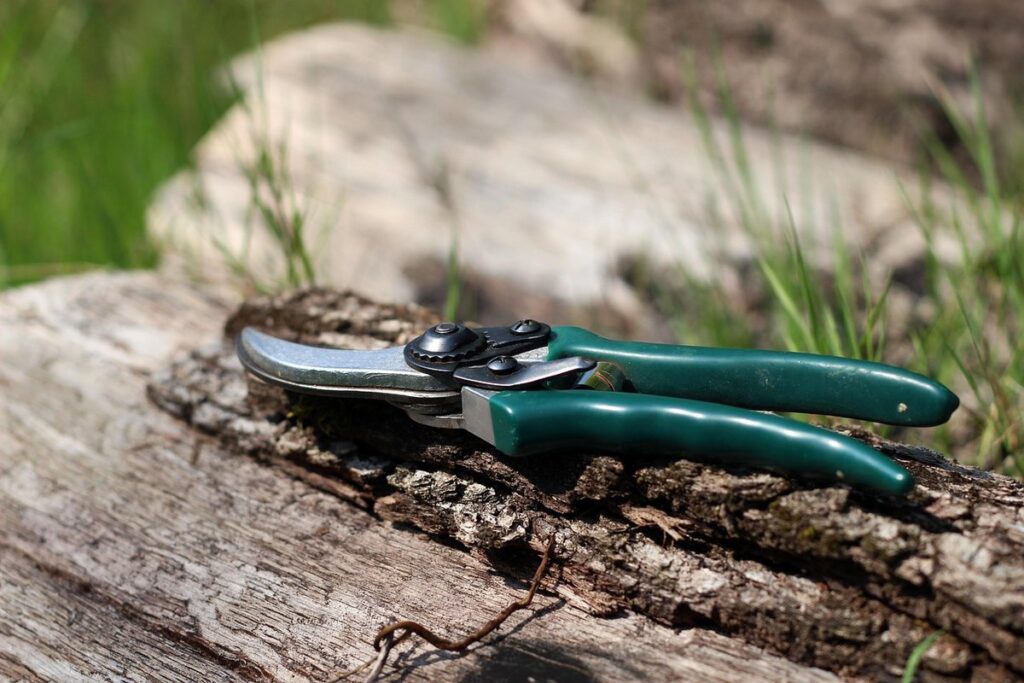
Next, gather the necessary tools for the job. A pair of high-quality loppers is a must-have for any pruning task. Choose loppers with long handles (at least 30 inches) to give you more leverage and control. A pruning saw will also come in handy for cutting thicker branches or those that are too hard to reach with loppers.
Remember, the right tools will make all the difference when it comes to efficiently and safely pruning your rhododendrons. Take a few minutes to prepare properly before starting work, and you’ll be rewarded with beautiful, healthy plants all season long.
Preventing Damage to Plants During Pruning
When pruning rhododendrons, it’s easy to make mistakes that can damage the plant. One common error is cutting too much of the stem at once. This can cause stress to the plant and lead to disease or pest issues. To avoid this, prune only small sections of stems, about 1/3 at a time, allowing the plant time to recover.
Another mistake is pruning in the wrong direction. Prune in the same direction as the growth habit of the plant, usually towards the outside of the bush. This helps prevent damage to delicate branches and promotes healthy growth.
When handling branches, be careful not to pinch or crush them. Use clean, sharp tools to make cuts just above a bud or a node, about 1/4 inch from it. Avoid cutting too close to the bud as this can cause dieback and poor regrowth. Regularly inspect your tools for cleanliness and sharpen them frequently to prevent crushing delicate tissues.
By following these tips, you’ll be able to prune your rhododendrons safely and effectively, minimizing damage to the plant.
Common Mistakes to Avoid When Pruning Rhododendrons
When pruning your rhododendron, it’s easy to make mistakes that can harm the plant. In this next part, we’ll highlight common errors to watch out for.
Misjudging Plant Dormancy
When pruning rhododendrons, it’s essential to avoid misjudging plant dormancy. Pruning at the wrong time can be detrimental to the health and appearance of your plant. If you prune too early in the growth cycle, you may inadvertently stimulate new growth that won’t have enough time to harden off before winter, making it more susceptible to damage.
On the other hand, pruning too late can cause the plant to focus its energy on producing flowers rather than putting down roots and storing up energy for next year’s bloom. This can weaken the plant over time and reduce flowering.
To avoid these risks, observe your rhododendron closely during the spring and summer months. Look for signs of new growth, such as swelling buds or emerging leaves. Typically, this occurs in late winter to early spring, around February or March in temperate climates. Prune immediately after blooming has finished, usually in mid-to-late summer, when new growth is slowing down. By pruning at the right time, you can promote healthy growth and encourage your rhododendron to thrive.
Insufficient Pruning
When you don’t prune rhododendrons enough, it can lead to a range of problems. One of the most common issues is branch dieback, where the ends of the branches begin to wilt and turn brown. This not only makes the plant look unhealthy but also weakens its overall structure.
Another problem with insufficient pruning is reduced flowering. Rhododendrons produce their flowers on old wood, which means that last year’s growth is what produces this year’s blooms. If you don’t prune enough, the old wood becomes congested and woody, leading to fewer flowers.
If you notice branch dieback or a lack of blooming, it may be tempting to simply cut back the affected areas. However, this can often do more harm than good. Instead, it’s usually better to inspect the plant as a whole and identify any areas where pruning is necessary. By doing so, you’ll be able to promote healthy growth, encourage new blooms, and keep your rhododendron looking its best.
Keep in mind that it’s not always easy to tell whether branch dieback or reduced flowering is caused by insufficient pruning or another issue entirely. That’s why regular inspections are crucial for maintaining a healthy rhododendron.
Best Practices for After-Care
To ensure your rhododendrons continue to thrive after pruning, it’s crucial to follow some simple best practices that will promote healthy growth and prevent disease. Let’s take a look at these essential tips together.
Post-Pruning Plant Care
After pruning your rhododendrons, it’s essential to provide them with proper care to promote healthy growth and prevent disease. Watering is critical during this period, as newly pruned plants are more susceptible to drought stress. Ensure the soil remains consistently moist but not waterlogged, especially in the first few weeks following pruning.
Fertilization can also help stimulate new growth and promote blooming. Feed your rhododendrons with a balanced, acidic fertilizer (pH 4.5-6) during the growing season (spring-fall). Follow the manufacturer’s instructions for application rates to avoid over-fertilizing, which can cause more harm than good.
Protecting your plants from pests and diseases is also crucial after pruning. Regularly inspect your rhododendrons for signs of aphids, whiteflies, or spider mites, and treat promptly if necessary. Keep an eye out for fungal infections like root rot, leaf spot, or powdery mildew, which can spread quickly in damp conditions.
By providing proper care and attention, you’ll be able to enjoy vibrant blooms and a healthy, thriving rhododendron plant for years to come.
Encouraging Healthy Growth and Bloom
In the months following pruning, it’s essential to provide your rhododendron with the right conditions to promote healthy growth and encourage blooming. Start by mulching around the base of the plant to retain moisture, suppress weeds, and regulate soil temperature.
For the first growing season after pruning, refrain from fertilizing your rhododendron. Instead, focus on providing it with adequate water and allowing the roots to establish themselves in their new environment. This will help prevent shock and promote a strong foundation for future growth.
When blooming occurs, remove spent flowers by deadheading to direct energy towards producing more buds and maintaining a tidy appearance. Cut off the stem just above a leaf node, making sure not to damage any adjacent shoots or buds. Regularly inspect your plant for signs of pests or disease, addressing issues promptly to prevent them from spreading.
By following these steps and providing consistent care, you’ll be well on your way to promoting healthy growth and encouraging your rhododendron to bloom with vibrancy and color.
Frequently Asked Questions
What if I miss the optimal pruning window for my rhodendron?
Don’t worry, it’s not a deal-breaker! While pruning during the dormant season is ideal, you can still prune your rhododendron outside of this time. However, be aware that new growth might be delayed, and flower production may be affected. If you’re unsure about the current growth stage of your plant, observe its foliage and buds for signs of new growth or dormancy.
How do I know if my rhodendron is in a dormant season?
Identifying dormant seasons involves observing changes in your plant’s behavior. Look for the following indicators: leaf drop, reduced water requirements, and a lack of new growth. When you notice these signs, it’s likely your rhododendron is entering its dormant period.
Can I prune my rhodendrons during active bloom periods?
No, it’s generally not recommended to prune your rhododendrons when they’re actively blooming. Pruning during this time can cause stress and potentially reduce flower production for the current season. Wait until after blooming has finished before pruning to promote healthy growth.
What are some common mistakes to avoid when pruning my rhodendron?
One common mistake is not identifying dormant seasons accurately, leading to pruning at the wrong time. Another error is using dull or damaged tools, which can cause damage to your plant’s tissues. Be sure to use sharp, clean pruning shears and take note of your plant’s growth patterns.
How do I prepare my rhodendron for pruning?
Before pruning, make sure you have the right tools and protective gear. Wear gloves and safety glasses to prevent injury from sharp branches or debris. Also, consider watering your plant a day or two before pruning to ensure it’s well-hydrated and easier to work with.