
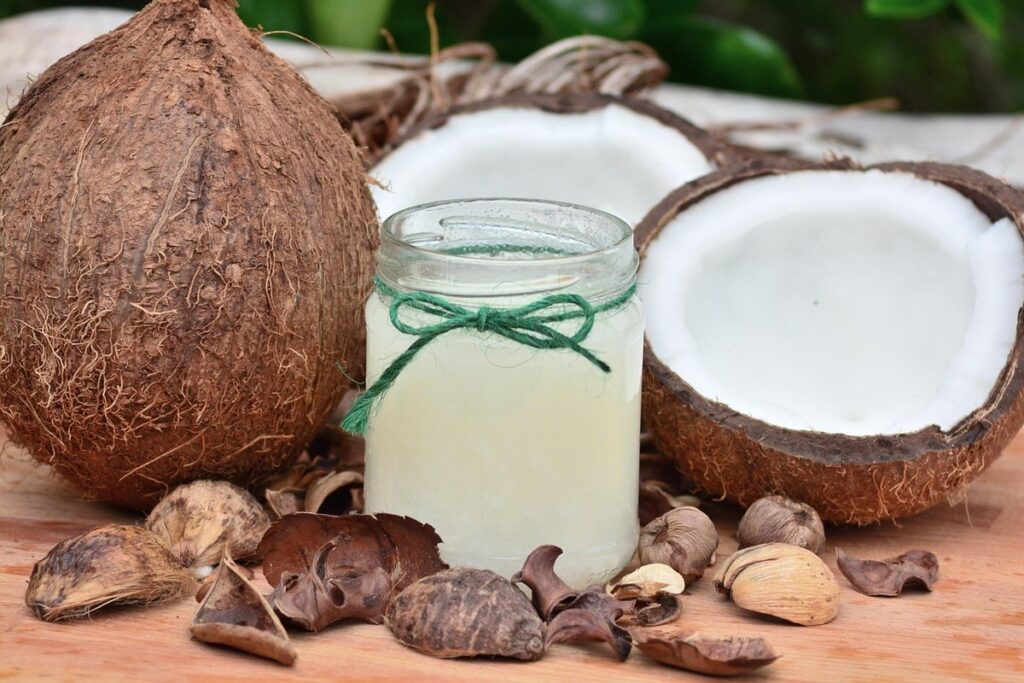
When we think of coconuts, most of us picture a tropical fruit with its hard brown shell and creamy white interior. But did you know that this delicious staple is actually a seed? Yes, you read that right – a seed! This might come as a surprise to many of us who’ve grown up thinking of coconuts as the quintessential fruit of the tropics. As it turns out, coconuts have a fascinating botanical classification, evolutionary history, and cultural significance that sets them apart from other fruits. In this article, we’ll delve into the surprising truth about coconuts, exploring why they’re often misunderstood, and what makes them so unique. Whether you’re a botany buff or just curious about this versatile fruit, you won’t want to miss this exploration of the coconut’s intriguing story.
What is a Seed?
Let’s set the record straight: a coconut is often mistakenly thought to be a fruit, but what exactly does that mean when we say it’s actually a seed. In this next part, we’ll explore what makes it one.
Defining Seeds in Botany
A seed is a remarkable reproductive structure that plays a vital role in the life cycle of plants. From a botanical perspective, seeds are formed within flowers through a process called fertilization. This occurs when pollen from the male part of a plant (the anther) reaches the female part (stigma), resulting in the fusion of gametes and the formation of an ovule.
As the ovule develops into a mature seed, it undergoes significant changes to become a self-contained package of embryonic growth. This includes the development of three essential components: the embryo, endosperm, and seed coat. The embryo is the tiny plant that will eventually sprout from the seed, while the endosperm provides nutrients for its growth. The seed coat, on the other hand, serves as a protective barrier against environmental stressors.
Seeds also exhibit dormancy, a critical characteristic that allows them to survive adverse conditions such as drought or extreme temperatures. During this period, seeds remain in a state of suspended animation, waiting for favorable conditions to resume their growth. Understanding these fundamental aspects of seed development is essential for appreciating the intricate mechanisms behind plant reproduction and growth.
Key Differences Between Fruits and Seeds
When it comes to understanding what a seed is, it’s essential to distinguish it from other plant parts like fruits. While both seeds and fruits play vital roles in the life cycle of plants, they serve different purposes and have distinct characteristics.
A key difference between seeds and fruits lies in their structure. Fruits are the sweet, fleshy parts that develop from the ovary of a flower, containing one or more seeds. In contrast, seeds are the tiny, embryonic plants contained within the fruit. Think of it like an egg: the seed is the egg itself, while the fruit is the protective shell surrounding it.
In classification terms, fruits belong to the category of accessory structures, which provide nutrients and protection for the developing seed. Seeds, on the other hand, are classified as reproductive organs, responsible for producing new plants. For instance, a coconut is both a fruit (the fleshy part) and a seed (the hard brown kernel inside), highlighting the overlap between these two concepts.
Understanding the differences between seeds and fruits can help you better appreciate the complexity of plant reproduction and development. Next, we’ll explore more about how coconuts fit into this classification as both a fruit and a seed.
The Coconut’s Botanical Classification
Let’s dive into the botanical classification of coconuts, where we’ll explore their unique place within the palm family and related species. This will help us better understand what makes them a seed.
Understanding the Angiosperm Family
The coconut tree (Cocos nucifera) is a member of the angiosperm family, which comprises flowering plants that produce seeds within fruits. Specifically, coconuts belong to the monocot group, characterized by having one cotyledon or seed leaf in their embryos. This classification is significant because it highlights the unique evolutionary history of coconuts.
As monocots, coconut trees have distinct features such as parallel-veined leaves and fibrous roots. They also have a characteristic flower arrangement, with male and female flowers located on different plants or even on the same plant but in separate locations. This aspect is crucial for cross-pollination and fertilization processes.
Coconut’s evolutionary history has allowed it to thrive across diverse tropical regions. Its adaptability to various environments has led to its widespread cultivation. Interestingly, coconuts also exhibit heteropodia – a phenomenon where some trees produce both male and female flowers on the same stem. This characteristic contributes to their high reproductive potential, further highlighting the uniqueness of this plant family.
Understanding these distinctive features is essential for coconut breeding programs aimed at improving crop yields and resilience. By grasping the intricacies of coconut’s botanical classification, farmers and researchers can unlock new avenues for enhancing coconut production.
Describing the Coconut Fruit Structure
The coconut fruit’s structure is often misunderstood as just a single, hard shell. However, upon closer inspection, you’ll find that it consists of several distinct layers and components.
Let’s start with the outermost layer, the exocarp, which is the edible part of the coconut we commonly consume. It’s a thin, green skin that’s easily removable and can be used in various culinary dishes. Beneath the exocarp lies the mesocarp, also known as the fibrous husk, made up of long, brown fibers that help protect the coconut during transport.
The endosperm is the starchy, nutrient-rich part of the coconut, divided into two types: the solid endosperm (the white, fleshy meat) and the liquid endosperm (coconut milk). The embryo or sprout develops within this endosperm, allowing the coconut to grow into a new tree when planted.
Understanding these layers is crucial for optimal coconut preparation. For instance, if you’re trying to extract coconut oil, you’ll need to carefully separate the solid and liquid endosperms from each other. Similarly, when consuming coconut water, make sure to scoop out the innermost layer first to avoid getting any fibrous husk material into your drink.
Fossil Record and Evolutionary History
Let’s take a step back in time to explore how coconuts evolved over millions of years, as revealed through fossil records. We’ll uncover their ancient history together.
Early Evidence of Coconuts
The history of coconuts dates back millions of years, with early evidence suggesting that they evolved from ancient ancestors. Fossil records reveal that coconut-like fruits and trees have been present on Earth since the Eocene epoch, around 50 million years ago. These early fossils were found in regions near modern-day Australia, New Zealand, and parts of Asia.
One notable discovery is the fossilized remains of the extinct palm genus, Cocos, which was identified in Australian sediments dating back to the Oligocene era (around 30 million years ago). This finding provides crucial insight into the evolutionary history of coconuts. The similarities between modern coconut fossils and those from ancient times indicate that coconuts have undergone minimal changes over millions of years.
Archaeological findings also support the idea that coconuts were present in prehistoric human societies. In islands across the Pacific, researchers have discovered coconut shells and fragments dating back to around 7,000-10,000 years ago. These discoveries suggest that early humans not only cultivated but also utilized coconuts as a primary source of food, water, and shelter.
Genetic Research on Coconut Origins
Genetic research has significantly contributed to our understanding of coconut origins, migration patterns, and diversification. Studies have used molecular markers to analyze the genetic relationships between different species, revealing the complex history of coconut evolution.
Phylogenetic analysis suggests that the closest living relatives of coconuts are the Areceae family, including palms like the Thrinax and Pritchardia. This has led scientists to propose a scenario where coconuts diverged from their ancestors around 50-60 million years ago in Africa. However, it’s worth noting that some research suggests an Asian origin, with evidence pointing towards Southeast Asia as the coconut’s ancestral home.
The genetic diversity of coconuts is remarkable, with over 100 distinct species identified worldwide. This diversity has enabled horticulturists to select and breed varieties suited to specific climates and uses. For instance, the highly prized Fijian coconut (Cocos nucifera) has been cultivated for centuries due to its exceptional yield and disease resistance.
As conservation efforts focus on preserving genetic material, researchers are now turning their attention to the preservation of wild coconut populations. By studying the genetics of these populations, we can better understand the adaptability of coconuts to changing environments and develop strategies to protect this valuable resource for future generations.
Misconceptions and Cultural Significance
You might be surprised to learn that coconuts have been misunderstood for centuries, leading to some interesting cultural significance surrounding their use. Let’s explore these misconceptions together.
Examining Traditional Fruit Classification
When we think of fruits, we often picture juicy apples and plump berries. But coconuts have long been classified as a fruit, despite being a seed. This misclassification has deep roots in cultural and culinary traditions.
In many tropical cultures, coconuts are revered for their versatility and nutritional value. They’re used in everything from sweet treats to savory dishes, and their oil is prized for its health benefits. However, this close relationship with coconuts has led to a misconception that they’re more fruit-like than seed-like. For example, in Southeast Asian cuisine, coconuts are often served as a refreshing dessert or used as a base for creamy sauces.
But what’s the impact of these misconceptions on our understanding of coconuts? By thinking of them as fruits, we miss out on valuable insights into their nutritional profile and cooking potential. Coconuts are actually an excellent source of healthy fats, protein, and fiber – making them a superfood in disguise.
Economic and Environmental Implications
The economic and environmental implications of misclassifying coconut as a fruit are far-reaching. On the market side, this classification can impact trade agreements and tariffs. For instance, if coconuts are considered fruits, countries may be subject to stricter regulations under the European Union’s Common Agricultural Policy (CAP) or the United States’ Produce Trade Practices Act. This could lead to higher import costs, limiting international trade.
On the environmental front, coconut misclassification can also have significant consequences. Since coconuts are a major contributor to deforestation and habitat destruction, if they’re mistakenly seen as fruits, conservation efforts may not be adequately addressed. For example, the Philippines, Indonesia, and other tropical countries struggle with widespread deforestation due to over-exploitation of coconut resources.
The good news is that addressing these issues is within our power. Governments and industries can take proactive steps such as promoting sustainable practices in coconut cultivation, revising trade agreements, and developing educational campaigns about coconuts’ true nature. By acknowledging the seed’s potential and making informed choices, we can mitigate the negative impacts of this widespread misconception.
Nutritional and Culinary Significance
Coconuts are not only a versatile ingredient, but also provide essential nutrients that support overall health. Let’s dive into their nutritional and culinary significance.
Unlocking Coconut’s Hidden Potential
Coconuts have been revered for centuries not only for their rich nutritional value but also for their versatility in various industries. Beyond being a staple ingredient in many cuisines, coconuts have been tapped to unlock their hidden potential in skincare, haircare, and medicine.
In the realm of beauty and wellness, coconut-based products have gained popularity due to their moisturizing properties and ability to soothe dry skin. Coconut oil, for instance, is an excellent natural moisturizer that can be used as a face mask or body lotion. It’s also effective in treating conditions like acne, eczema, and psoriasis. However, it’s essential to note that not all coconut oils are created equal; choose cold-pressed, organic options to reap the most benefits.
Coconut oil is also a popular ingredient in haircare due to its ability to nourish and condition hair follicles. It can be used as a pre-shampoo treatment or as an after-wash conditioner. When using coconut oil for haircare, remember to apply it sparingly and focus on the ends rather than the roots to avoid greasiness.
In medicine, coconuts have been studied for their potential in treating various health conditions, including high blood pressure, diabetes, and even certain types of cancer. Virgin coconut oil, in particular, has been shown to contain lauric acid, a powerful antimicrobial agent that can help combat infections.
When incorporating coconut-based products into your daily routine, remember to do a patch test first to ensure you don’t have any sensitivities or allergies. Also, be mindful of the quality and purity of the product to avoid adverse reactions. With proper use and application, coconuts can unlock their full potential to promote healthy skin, hair, and overall well-being.
Cooking with Coconuts: Cultural Fusion
Coconuts have been a staple ingredient in many cuisines around the world for centuries. But what happens when you bring together coconuts with the flavors and techniques of different cultures? The result is a delicious and fascinating fusion of culinary styles.
Take, for example, the popular Indian dish “Thai Red Curry” that’s made by combining coconut milk with Thai red curry paste, fish sauce, and lime juice. Or how about the Mexican-inspired “Coconut Lime Rice” that pairs shredded coconut with cilantro, lime zest, and a drizzle of olive oil? These dishes showcase the adaptability and versatility of coconuts in modern cooking.
In Southeast Asian cuisine, coconuts are often used to add richness and depth to soups, curries, and sauces. In the Caribbean, they’re a key ingredient in jerk seasoning, adding a smoky flavor to meats and vegetables. With its creamy texture and subtle nutty taste, coconut is an excellent addition to many dishes.
To incorporate coconuts into your cooking, start by experimenting with different types of coconut milk and shredded coconut. Try substituting it for heavy cream or butter in your favorite recipes for added moisture and nutrition. And don’t be afraid to mix and match flavors from various cultures to create your own unique fusion dishes.
Conclusion
Now that we’ve explored the fascinating world of coconuts as seeds, let’s summarize our key takeaways and tie everything together. You’ll find a concise recap below!
Recapitulating Key Points
In conclusion to our discussion on coconut being a seed, let’s recapitulate the key points we’ve covered. Botanically speaking, coconuts belong to the family Arecaceae and are classified as a type of drupe, which is a fruit that has a hard shell and a single seed inside. From an evolutionary perspective, coconuts have been around for millions of years and have adapted to various environments, making them one of the most resilient plants on the planet.
In addition to its botanical and evolutionary significance, coconut also holds cultural importance in many parts of the world. For instance, in tropical regions, coconut trees are not only a source of food but also provide shelter, fuel, and other essential resources for communities.
To make informed decisions about coconuts, it’s crucial to have accurate information. When shopping for coconut products, be aware that some may be mislabeled or contain added ingredients that you’re not aware of. Always check the label and choose products from reputable sources whenever possible.
Final Thoughts on Coconut Misconceptions
As we conclude our exploration of coconuts as seeds, it’s essential to acknowledge that there is still so much to uncover about this incredible fruit. We’ve shed light on the misconceptions surrounding coconuts, but we’ve only scratched the surface. To truly appreciate the richness of coconut culture and science, it’s crucial to approach these topics with an open mind and a willingness to learn.
We encourage you to continue exploring the fascinating world of coconuts. Read books, articles, and research papers on the subject. Engage in conversations with experts and enthusiasts alike. Visit countries where coconuts are deeply ingrained in the culture and learn from their traditions. By doing so, you’ll gain a more nuanced understanding of the complex relationships between coconuts, communities, and ecosystems.
As you embark on this journey, remember to be patient, curious, and respectful. Coconut culture is diverse, and its history is multifaceted. Approach each discovery with an open mind and a willingness to adapt your perspectives. By doing so, you’ll not only gain a deeper appreciation for coconuts but also contribute to the ongoing conversation about this incredible fruit’s place in our world.
Frequently Asked Questions
Can I still consider coconuts a fruit for culinary purposes?
Yes, while botanically speaking coconuts are seeds, they’re often referred to as fruits in cooking and everyday language. You can continue using coconut “fruit” in recipes, but be aware of the distinction between botanical classification and culinary usage.
How do I explain the seed-fruit difference to friends who don’t understand?
You can explain that coconuts have a hard outer shell (exocarp) and a fibrous husk, followed by a single large seed (endosperm), which contains the coconut “meat”. This is in contrast to true fruits like apples or berries, which develop from ovaries of flowers.
What are some practical uses for coconuts that take advantage of their seed properties?
Coconut oil, derived from the meat of mature coconuts, has unique fatty acid profiles and benefits. You can also use coconut shells as planters for small plants or even craft items like bowls or birdhouses.
Can I grow my own coconut tree if I live in a temperate climate?
While it’s technically possible to grow coconut trees in cooler climates using greenhouses or indoor containers, they typically require a tropical environment with high temperatures and humidity. You may need to consult local nurseries or experts for specific advice on cultivating coconuts where you live.
How do I choose the right type of coconut for cooking or baking?
With over 150 varieties worldwide, select coconuts based on their intended use: ‘Macapuno’ for sweet dishes, ‘Fiji Dwarf’ for fresh consumption, or ‘Malayan Dwarf’ for its high oil content and culinary versatility. Research local markets or specialty stores to find suitable types for your recipes.